Slovensky Cuvac Exercise Needs: A Varied, Manageable Day
Plan Slovensky Cuvac exercise around individual participation, purposeful games, sensible outings and conditions rather than a rigid quota.
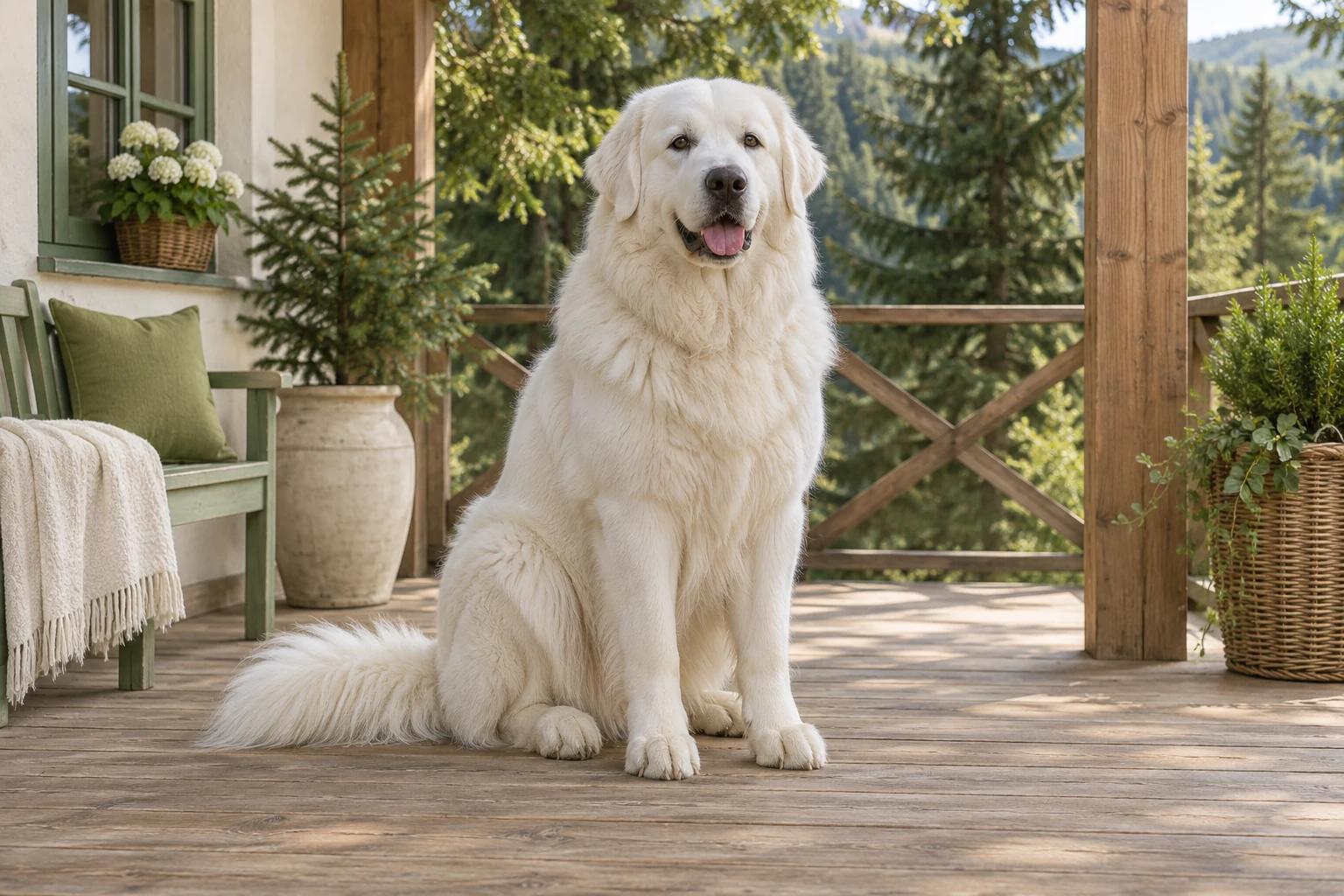
Slovensky Cuvac exercise needs should be considered separately from the breed's imposing appearance. The Cuvac profile places activity, playfulness and mental engagement in the middle of its reference scale. That points toward a balanced day, not an automatic requirement for endurance sport or an assumption that the dog will entertain itself outside.
A useful routine gives the individual several ways to participate. Notice what the dog actually enjoys and how it responds to an outing. Neither a dramatic photograph nor the amount of ground available at home tells you whether the day's activities are a good match.
Slovensky Cuvac exercise needs: engagement without endless repetition
The German breed club's extended discussion describes an independent dog that may lose interest in repetitive lessons. It favors meaningful activity over sheer volume. This is useful when planning a Cuvac's day: doing more of an uninteresting exercise is not automatically better engagement.
Vary the purpose of your shared time rather than continually increasing the number of repetitions. An outing, a small learning task and a different opportunity to explore need not all become the same drill. Watch whether the dog is participating thoughtfully or merely being asked to repeat something after its interest has faded.
The club also notes that experience and individual circumstances affect responses to unfamiliar situations. A new place may therefore require time to take things in, rather than immediate energetic participation. Give the dog a manageable opportunity to become familiar with the setting. Independence should not be mistaken for a need to be left without interaction, or for a reason to make every activity a contest.
Adjust outdoor effort to the conditions
Cornell's heat-safety guidance identifies thick-coated dogs among those needing extra precautions in warm conditions. A white coat is not permission to disregard heat. Choose cooler periods, provide water and shade, and avoid strenuous exertion in hot or humid weather.
Look at the walking surface too. Pavement can retain more heat than the air suggests, so a comfortable temperature for the person does not settle every question about the route. Changing the time, surface or extent of an outing can be more appropriate than insisting on the usual plan.
Discuss changes in willingness to exercise, comfort or other concerning signs with your veterinarian rather than interpreting them through the breed label. Ask for guidance appropriate to this individual and the conditions. The useful objective is suitable participation, not completing a distance simply because it appeared in the plan for the day.
A simple search game instead of repeated throwing
The AKC's scent-game guide describes a shell game using containers and a hidden treat. For a Cuvac, this offers a specific problem to investigate without expecting enthusiasm for repeated fetch. Begin in a quiet place with a few stable, dog-safe containers spaced apart.
Hide a suitable dry treat beneath one while the dog is elsewhere, then invite it to investigate. When it identifies the right location, lift the container and let it collect the reward. The object is finding the scent, not knocking everything over. If the containers tip too easily, use a more stable arrangement and supervise throughout.
Keep the first attempts straightforward. Add more locations only once the dog understands the game, and stop if interest disappears. This is an informal shared activity, not proof that the dog is ready for a formal scent competition. Enjoy the searching itself rather than turning a modest game into another performance demand.
Indoor participation can still involve movement
VCA's activity guide includes interactive toys and simple indoor obstacle arrangements. For a substantial Cuvac, think of an open, ground-level route rather than a cramped collection of furniture to scramble over. The dog needs room to turn and move comfortably.
A food-dispensing toy can offer investigation and gentle movement if the dog enjoys it. Use an appropriate part of the normal food allowance and supervise the activity. Alternatively, a clear route around a few stable objects can create a small change in how you move together without asking for jumps.
The same guide recommends tailoring a new exercise routine with veterinary input. That is particularly relevant when the dog's fitness or physical circumstances have changed. Indoor activity is not a contest to replace every outdoor minute with an equal amount of exertion. It is another way to offer suitable participation while choosing activities the individual can manage.
Social comfort changes the experience of a walk
The Cuvac's Atlas reference combines high watchfulness with lower openness to newcomers. A route full of approaching people may therefore ask something different from a familiar walk with fewer encounters. Think about whether the dog can participate comfortably, not only whether the path is long enough.
A middle playfulness reference also means that activity need not revolve around toys. A dog can enjoy an outing with its person without wanting an uninterrupted sequence of throws. Offer different kinds of participation and notice which ones the individual accepts instead of insisting that every active dog ought to enjoy the same game.
Likewise, the low vocal reference should not be used as the only sign that the routine suits the dog. Quietness does not erase the need for activity and mental engagement. Consider the day's opportunities as a whole rather than waiting for barking to prompt a change.
The separate Cuvac coat article discusses appearance rather than activity. Use the dog match quiz to compare the wider daily commitment.
Frequently asked questions
How much exercise does a Slovensky Cuvac need?
The Atlas activity reference sits in the middle, not at either extreme. It is not a prescription of minutes for every dog. Assess the individual's participation and circumstances, and ask your veterinarian to help establish appropriate exertion when needed.
Does the Slovensky Cuvac activity level imply nonstop play?
No. Both activity and playfulness have middle reference ratings. A dog may enjoy shared outings without wanting repeated toy games. Discover the individual's preferences rather than assuming that a substantial dog needs constant high-intensity entertainment.
Must a Slovensky Cuvac daily walk include many greetings?
No. The profile's lower openness-to-new-people reference makes comfortable participation more important than the number of encounters. A quieter route can suit an individual better than a crowded one, without making it an inferior outing.
Sources behind this article
- Club Slovensky Cuvac: Further breed information ↗
- Cornell: Summer heat safety tips for dogs ↗
- AKC: Unleash your dog’s sense of smell ↗
- VCA: Fun exercises for dogs and cats ↗
Article source checked: November 16, 2026. Source checked 2026-11-16
Keep reading

Afghan Hound Exercise Needs: Build a Workable Active Day
Read article →