Siberian Husky Grooming: Working With the Natural Coat
Understand Siberian Husky grooming through coat texture, bathing, brush introductions and professional care tailored to the individual dog.
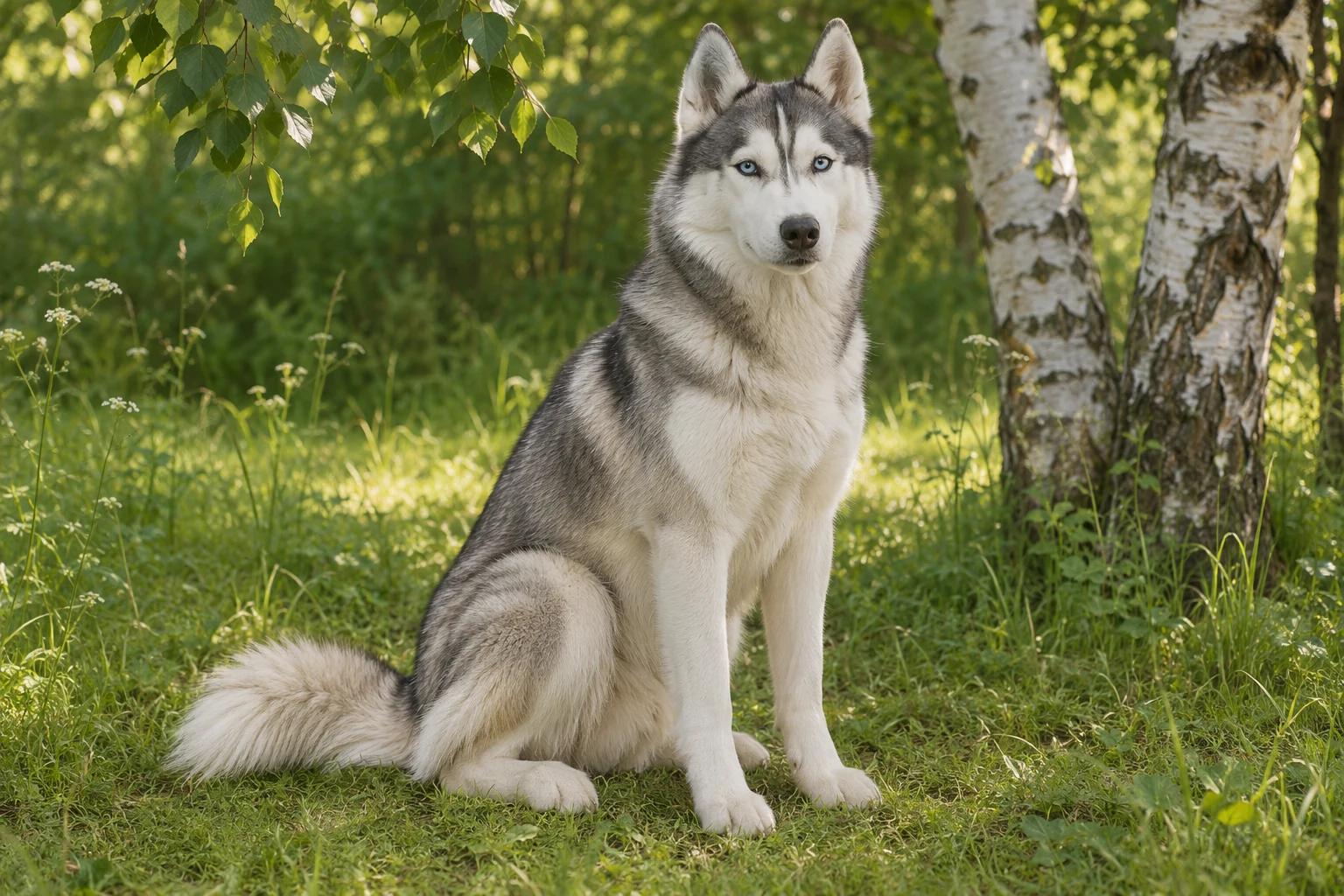
Siberian Husky grooming begins with a practical question: what needs doing today, and what can you comfortably do yourself? The Siberian Husky profile introduces the breed's care commitments. Here, the focus is on the coat you handle rather than an idealized photograph. Understanding the intended outline, approaching a bath carefully and choosing the right kind of help are separate parts of the job. A successful session should have a clear purpose before the first tool touches the dog.
Siberian Husky grooming preserves a natural outline
The Siberian Husky Club of America's coat description specifies medium-length double coat that does not hide the dog's clean outline. Soft, dense undercoat supports straighter guard hairs lying relatively smoothly over it. The outer coat is not meant to feel harsh or project stiffly away from the body. The description also notes that the undercoat can be absent during the shedding season.
This gives you a more useful picture than “make the dog as fluffy as possible.” A Siberian can look different when that softer layer is changing without needing a sculpted haircut to restore a photograph's silhouette.
When discussing Siberian Husky coat care with a groomer, point out whether you are asking about texture, loose hair or outline. The club's presentation guidance favors the natural body coat rather than trimming it into a new shape. A pet's individual coat problem still deserves its own assessment; a show description is a reference for appearance, not a diagnosis or a substitute for examining the dog.
Prepare a bath for the dog you have
The AKC bathing guide recommends brushing out loose hair and debris before washing, using dog shampoo rather than a human product, and rinsing thoroughly with comfortably warm water. It links bathing frequency to the dog's activities and condition rather than one universal timetable.
For a Siberian, have the bathing arrangement ready before starting. Think about whether you can reach the underside, legs and neck without rushing, and whether the dog can be washed in that space comfortably. A great quantity of lather is not proof that the coat underneath has been cleaned, and a quick pass with water may leave product behind.
Work methodically and take the rinse seriously. If you cannot manage the process comfortably at home, a professional appointment is a reasonable alternative, not an admission that you should have bought stronger shampoo. Ask your veterinarian about suitable products when the dog has a skin problem; do not choose a medicated wash merely because its label sounds relevant. The goal is appropriate cleaning, not strong perfume or frequent baths.
Introduce the brush instead of wrestling with it
The Scottish SPCA's grooming guidance recommends letting a dog inspect tools, using gentle strokes and building duration gradually with rewards. If the dog seems frightened or uneasy, it advises backing off and trying another time. Persistent discomfort needs appropriate help, and pain can contribute to defensive behavior during handling.
If you are learning how to groom a Siberian Husky, practice a small, easy piece of the process first. Let the dog see the brush, then try a few gentle strokes where handling is already comfortable. Reward participation without insisting on finishing the whole coat. Increase the task only when that version is going well.
A dog pulling away is giving you information about the experience. Holding it more firmly does not explain whether the problem is the tool, the sensation, fear or discomfort. Ask for a demonstration if you are uncertain about pressure or technique. If a previously accepted area suddenly becomes difficult to touch, seek veterinary advice rather than treating the change as stubbornness.
Professional care should fit the individual
The Canine and Feline Sector Group's grooming guidance calls for assessment of coat condition, health and behavior before a groom. It highlights that unfamiliar surroundings, people and noisy equipment can affect a pet's experience, and recommends introductory visits for young animals. Procedures should be adapted rather than imposed identically on every dog.
For your Husky, describe previous experiences accurately: what the dog accepted, what was difficult and whether any area is uncomfortable. Ask what the appointment will involve, including bathing, drying and handling. A coat-care service is more specific than simply handing over a dog and expecting the same result as a picture.
The guidance also recommends explaining between-visit maintenance to owners and referring signs of ill health to veterinary professionals. Ask to be shown the part you will continue at home. If the groomer proposes changing the agreed approach because of the coat's condition, discuss that change and the reason for it. More time or a different method can be relevant; forcing a distressed animal through the original plan is not the measure of a completed job.
Keep the household question separate
Siberian Husky shedding also affects the human side of ownership. Consider your tolerance for finding hair on clothing or cleaning after shared sofa time before choosing the breed. That preference does not make you a better or worse dog owner, but it is worth being honest about rather than hoping a future service will remove every inconvenience.
The dog matching quiz can help frame that choice. The separate Siberian Husky yard-and-gate guide covers outdoor management rather than repeating it here.
Frequently asked questions
Is maximum fluff the correct grooming target?
No. The breed description calls for a natural outline that remains visible beneath the coat, not an exaggerated sculpted silhouette.
Is more shampoo necessarily a better bath?
No. Appropriate product use and thorough rinsing matter more than producing extra lather.
Should a first brushing lesson cover the entire dog?
No. Begin with manageable, comfortable contact and build gradually rather than making the first experience a prolonged struggle.
Sources behind this article
- SHCA: Illustrated coat standard ↗
- AKC: Bathing a dog ↗
- Scottish SPCA: Grooming introduction ↗
- Canine and Feline Sector Group: Grooming guidance ↗
Article source checked: November 16, 2026. Source checked 2026-11-16
Keep reading

Affenpinscher Grooming: A Practical Coat-Care Routine
Read article →