Siberian Husky Exercise Needs: Purpose Beyond Mileage
Explore Siberian Husky exercise needs through varied outings, weather awareness, carefully introduced canicross and scent-based activity.
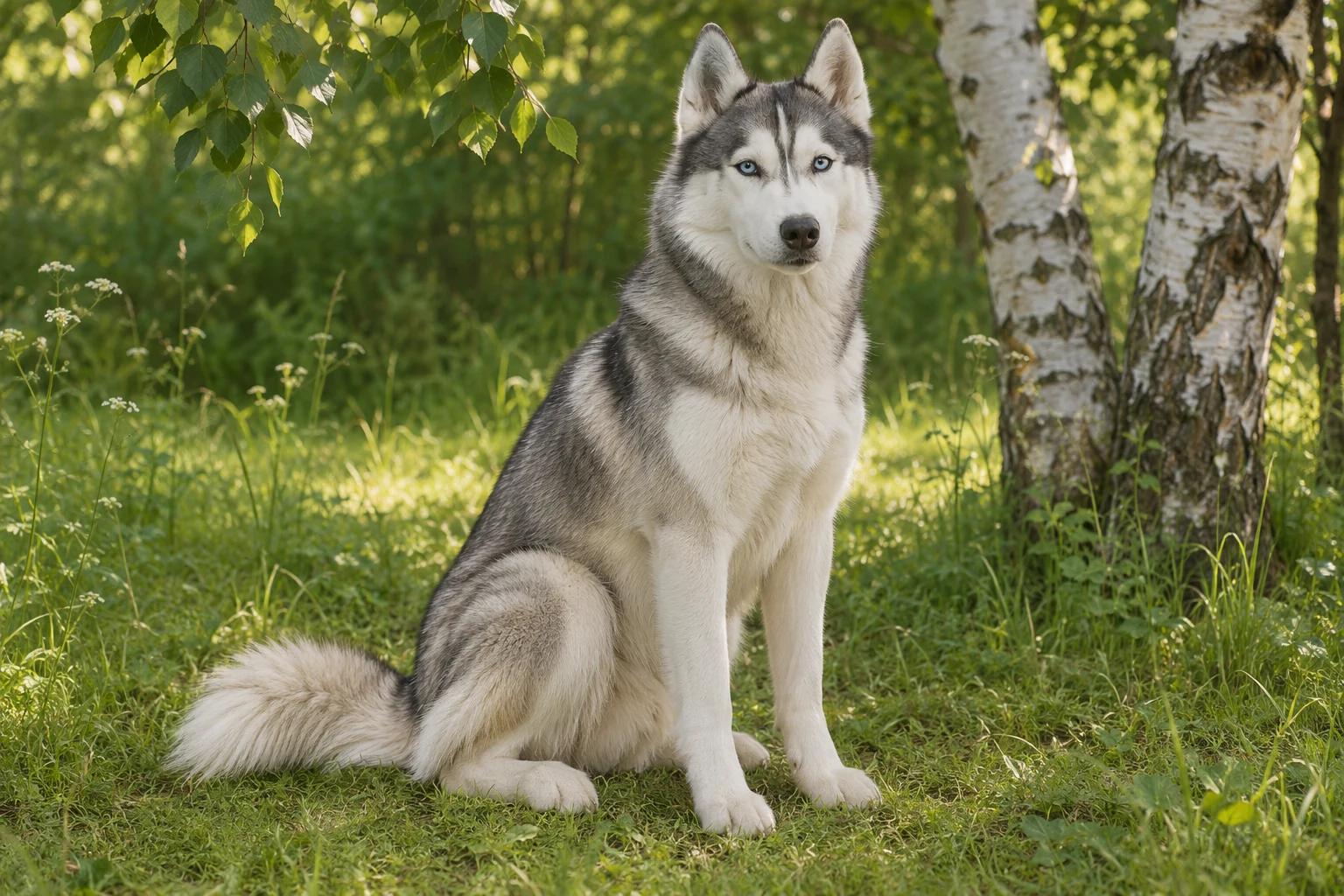
Siberian Husky exercise needs deserve more thought than copying another owner's distance total. The Siberian Husky profile places activity high among the breed's commitments. What matters next is the kind of participation you can offer and whether the individual is ready for it. A familiar walk, a new skill and an organized sport ask different things of dog and handler. This guide separates those choices so that “more exercise” becomes a useful discussion rather than an endless instruction to keep moving.
Siberian Husky exercise needs include mental work
VCA's Siberian Husky guide describes a dog that enjoys running and needs daily activity, while emphasizing learning as mental exercise too. It also warns that the breed can overheat easily. An energetic appearance is therefore not a reason to ignore the conditions or assume that more intense movement is always the missing ingredient.
For an ordinary day, distinguish physical movement from the concentration involved in a lesson. A dog following a familiar route and a dog learning what a new cue means are doing different jobs. You do not have to turn every outing into a fitness test to give it purpose.
Notice comfort during the activity rather than only whether the dog is willing to begin. A Siberian's enthusiasm is valuable information about interest, but it is not a medical assessment. Plan activities that you can adjust instead of treating a preselected distance as a promise you must fulfill regardless of the dog or the weather.
Vary the day without making it chaotic
PDSA's Husky guidance recommends spreading exercise across the day, varying walking routes and including play and training. It also advises avoiding the hottest part of the day. This is a useful framework for a Siberian Husky daily walk: the outing belongs within a wider pattern of activity, rather than carrying the entire day's expectations by itself.
Variation does not have to mean an unfamiliar expedition every morning. A different direction on an established route, a different accessible path or a session devoted to a known game can change the experience without multiplying every difficulty at once. Choose what is suitable for the individual and conditions.
During warm weather, reconsider when and how you go out rather than preserving the same routine at all costs. Cooler periods can offer better opportunities, but a clock time alone cannot guarantee comfortable conditions. If you are unsure how to adapt the plan, ask your veterinary team. Ask what works today rather than simply reproducing yesterday.
Consider canicross as a taught partnership
The AKC canicross introduction describes running with a dog connected to the handler through appropriate pulling equipment. It recommends veterinary clearance, gradual conditioning and guidance from experienced participants about harnesses and other equipment. This is not simply an ordinary walk performed faster while the dog drags you along.
For an interested adult Siberian, start by finding instruction that explains the dog's harness fit, the handler's equipment and the skills required before joining a run. The guide highlights passing people and dogs under control, along with movement cues for direction, slowing and stopping. Those skills are part of the activity, not details to discover at speed.
Do not attach a puppy to a running program because it already pulls enthusiastically on walks. Readiness for strenuous work is an individual veterinary question, and conditioning develops gradually. Ask what introductory practice should look like for your dog before buying equipment or entering an event. A suitable instructor should be able to show a progression, including what you practice without demanding a sustained run immediately.
Let the nose lead a different kind of outing
The AKC tracking overview explains a sport based on recognizing and following a scent. It welcomes many breeds and recommends finding a tracking class to develop the skill. Basic equipment includes a harness, a long tracking lead and markers, with an appropriate open area free of hazards.
For a Siberian Husky, this offers a different question from how fast or how far the dog can travel. Can you learn to accompany the dog's investigation without constantly steering toward what you think the answer should be? An instructor can show how a planned track differs from wandering around while sniffing.
Start with a beginner lesson rather than improvising a difficult trail across roads or rough obstacles. Ask how the handler manages the line, how the track is introduced and what constitutes an achievable first exercise. Competition ambitions are optional. The appeal is shared outdoor work with a clear problem to investigate, giving both dog and handler something purposeful to understand.
How much exercise does a Siberian Husky need?
When comparing routines, be precise about what a total includes. One person may count travel, waiting and social time as part of an outing; another may record only uninterrupted movement. Those numbers cannot answer the same question without explanation. Describe the activity itself before comparing its duration.
Siberian Husky activity level is an important ownership consideration in the dog matching quiz. For the separate question of outdoor access, read the yard-and-gate guide. An activity choice and an access arrangement are different responsibilities, even when they happen in the same afternoon.
Frequently asked questions
Should a walk be identical in hot weather?
No. Reassess timing and conditions, avoid the hottest periods and seek veterinary guidance about the individual dog's limits.
Does pulling on a lead establish canicross readiness?
No. Fitness, suitable equipment, controlled movement and gradual preparation still need attention before sustained running.
Is tracking limited to traditional tracking breeds?
No. The activity is open to many breeds; a beginner class can help you explore whether the individual enjoys it.
Sources behind this article
- VCA: Siberian Husky exercise ↗
- PDSA: Siberian Husky activity ↗
- AKC: Starting canicross ↗
- AKC: Tracking ↗
Article source checked: November 16, 2026. Source checked 2026-11-16
Keep reading

Afghan Hound Exercise Needs: Build a Workable Active Day
Read article →