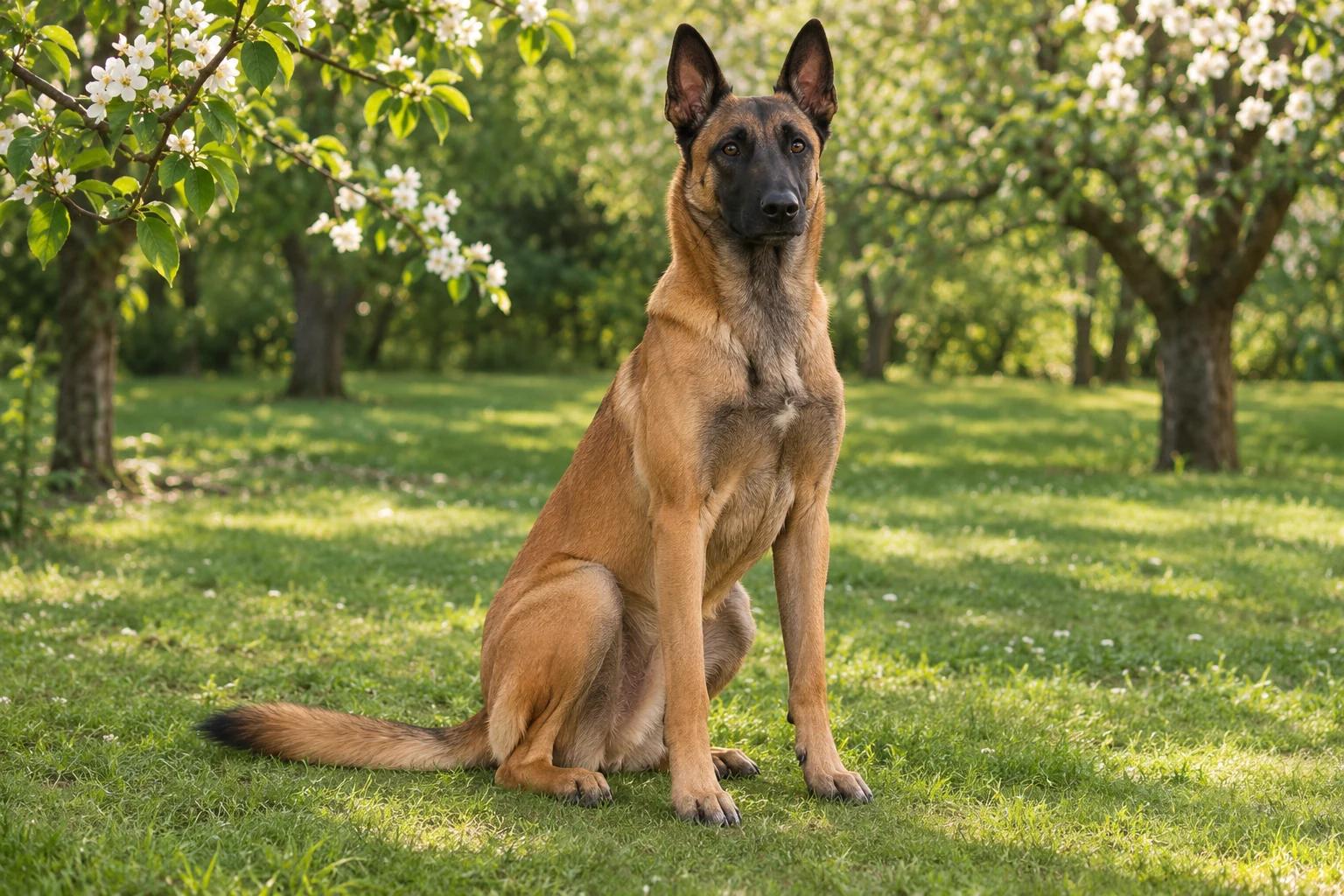
A shared treat plan for training a Shih-poo
Count training rewards within a Shih-poo's daily food plan, understand the ten-percent guidance, and coordinate caregivers without giving up reward-based training.

Small rewards from several people still add up
A Shih-poo combines Shih Tzu and Poodle ancestry. PetMD's guide recommends reward-based training and specifically reminds owners to include treats in daily calories. That connection matters in a household where one person rewards toileting, another practices cues and a visitor offers a snack: each person may see only a small part of the day's food.
The solution is not to abandon useful rewards or replace them with punishment. Start by asking the veterinary team how much food this individual dog needs and how training rewards fit within that plan. Age, body condition and health matter more than a generic portion assigned to every Shih-poo.
Use the percentage as a limit, not a feeding target
WSAVA advises that treats make up no more than ten percent of daily calorie intake and recommends asking the veterinary team to establish the dog's energy needs. That is a proportion of calories, not ten percent of the bowl's volume, and it is not an instruction to add treats on top of an otherwise complete daily allocation.
For a purely arithmetic example, if a veterinarian has set a daily total of 300 calories, ten percent would be 30 calories. This does not prescribe 300 calories for a Shih-poo. The example only shows how the percentage works; a puppy or a dog on a medical diet needs its own professional plan.
Give everyone the same practical instructions
Keep the agreed treat allowance and product calorie information where caregivers can find them. One household approach is to set aside the day's planned rewards and record any extras, rather than having each person refill a separate pocket. Ask how any food taken from the normal ration should be accounted for, and keep required meals and nutritional needs intact.
PetMD also notes that play, toys and other things the dog enjoys can serve as rewards. Choose what is useful for the situation and the individual dog. Review the plan with the veterinary team if weight, appetite or health changes. A shared system lets training remain generous in opportunities to learn while making the food contribution visible to everyone involved.
Sources behind this article
Article source checked: October 20, 2026. Source checked 2026-10-20
Keep reading
Before a Border Collie: plan for the teaching, too
Read article →