Shiba Inu vs Chow Chow: Shape, Movement and Daily Life
Compare Shiba Inu vs Chow Chow through adult build, movement, social expectations and practical questions to ask before choosing.
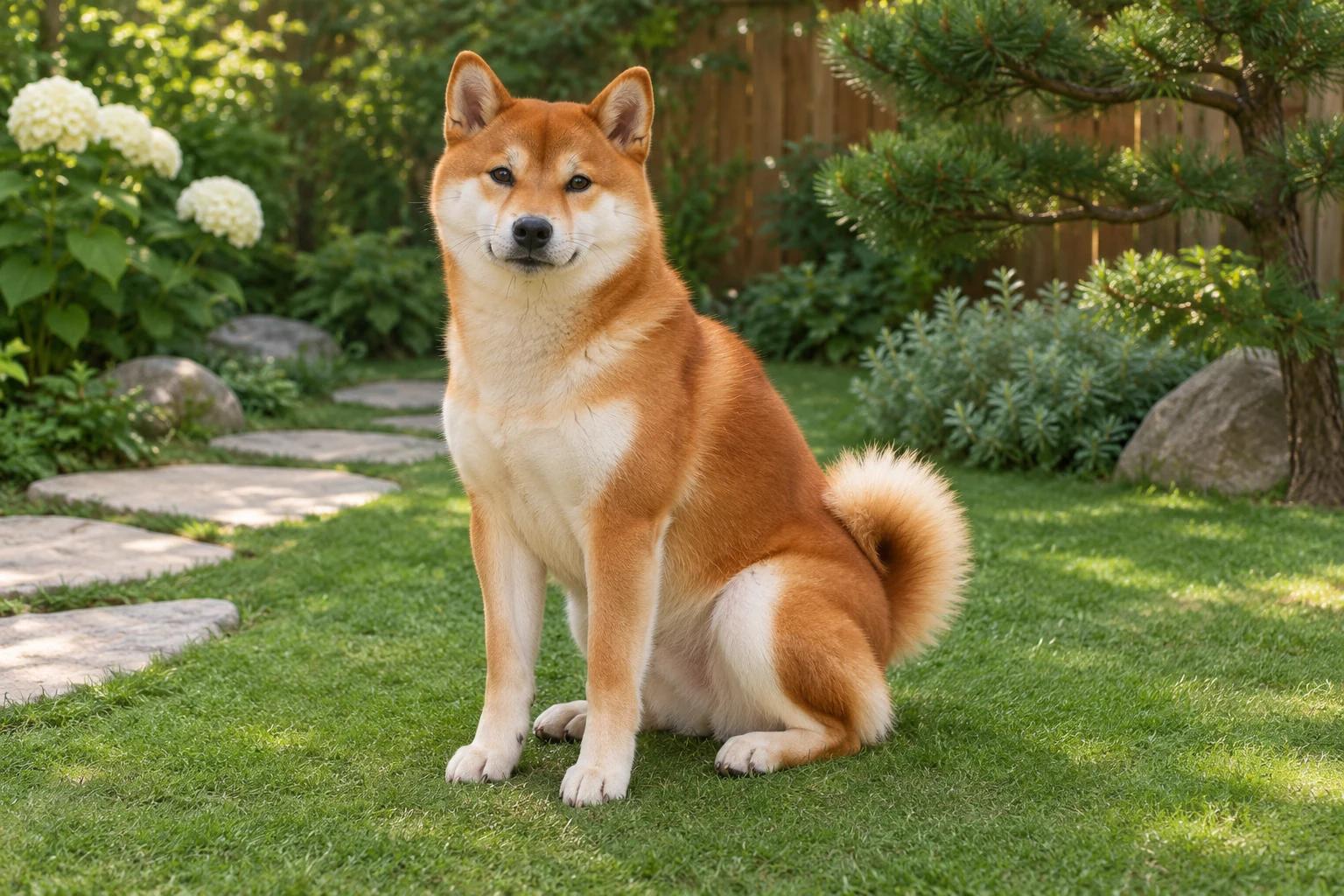
A useful Shiba Inu vs Chow Chow comparison starts with meeting adult dogs, not choosing between two appealing puppy photographs. Look at how the dog occupies a doorway, moves beside a person and responds during an ordinary afternoon. These are concrete differences you can investigate before bringing either breed home. The Shiba Inu profile and Chow Chow profile provide broader starting points; this guide concentrates on comparing the experience of living with them.
Shiba Inu vs Chow Chow: the Shiba's physical outline
The AKC Shiba standard describes a compact, muscular dog with light, nimble movement. Male height is 14.5–16.5 inches at the shoulder; females stand 13.5–15.5 inches. The body is slightly longer than tall, rather than stretched out or extremely short-legged. Its hunting background involved working through dense undergrowth using sight and scent. Those details explain more about its outline than the familiar fox comparison does. AKC Shiba Inu standard.
Look at an adult from the side while standing naturally, then watch several unhurried steps. Notice the space needed for a comfortable turn and how the dog steps through a narrow opening. For household planning, measure the actual dog's resting length rather than buying equipment from a puppy photograph. A bed needs room for the position the dog chooses, not merely enough space to curl into a neat circle. Neither height nor an agile appearance tells you whether an individual has been taught to walk comfortably beside you.
The Chow's different proportions
The Chow standard describes a square, strongly built dog with substantial bone, a broad chest and relatively little rear angulation. Its characteristic movement is not the same as the Shiba's: the breed's distinctive shorter, stilted rear action is part of its described structure. Height is 17–20 inches at the shoulder. Compare the whole body, not just the additional inches. AKC Chow Chow standard.
That difference between Shiba Inu and Chow Chow matters when considering physical space. Check the usable width of a travel crate, the opening into the vehicle and the turning area beside a bed. A manufacturer's outside measurement does not reveal how much room remains inside. Watching ordinary movement is useful, but a breed description is not a diagnosis: a new reluctance to move or a change from that dog's usual gait belongs with a veterinarian.
What a reserved Chow means for social expectations
VCA describes the Chow as independent and often restrained in its displays of affection. It recommends reward-based teaching rather than a contest of force. Its exercise discussion favors walks and games over expecting an intensely vigorous exercise partner. These are tendencies to explore with an individual dog, not a promise that every Chow will behave alike. VCA Chow Chow guide.
If your ideal companion enthusiastically greets everyone at the door, ask to see how the prospective Chow actually handles visitors. Do not interpret quiet proximity as a failed relationship simply because the dog is not climbing into a lap. Equally, do not let the word independent excuse leaving all interaction to the dog. Ask the current caregiver to demonstrate a familiar cue and explain what the dog finds rewarding. Include quiet company and a familiar lesson during a visit, rather than watching only excited arrivals. A calm, successful exchange is more informative than someone repeatedly ordering the dog to perform for a stranger.
Shiba learning: make the task worth joining
The Japanese Shiba Inu Club of Great Britain emphasizes keeping training enjoyable, notes that Shibas can learn quickly and recommends showing the desired behavior instead of scolding. It lists several activities in which Shibas participate, including agility and obedience. That is a reason to explore shared learning, not to assume every individual wants the same sport.
Ask a caregiver to show a short familiar exercise. Notice the invitation to begin, the reward and the point at which the person stops. Do not ask for endless repetitions just to demonstrate intelligence. A dog that successfully completes one familiar task has not automatically learned a different task in a new place.
When choosing between these breeds, consider which kind of teaching you want to participate in. If you enjoy helping a dog discover a small new skill, ask what the Shiba already practices and how the caregiver keeps it interesting. A breed description cannot supply the missing steps between your instruction and the dog's understanding.
Choosing Shiba Inu or Chow Chow
Before a visit, write down who would handle walks, visitor arrivals and daily teaching in your household. Ask each person to watch the same demonstration and compare observations afterward. This keeps the decision tied to shared responsibilities rather than whichever dog makes the strongest first impression.
For a Chow Chow vs Shiba Inu decision, bring a real example of the life you want to share: a familiar neighborhood outing, travel or company at home. Ask what the particular dog has already experienced. The difference between Shiba Inu and Chow Chow should improve those questions, not replace them.
The breed matching quiz can clarify your preferences. For the separate coat-maintenance topic, see the existing Shiba Inu short double-coat guide.
Frequently asked questions
Is the Chow simply a larger Shiba?
No. The Chow's square, substantial build and characteristic rear movement differ from the Shiba's lighter, nimble outline.
Does a reserved Chow lack affection?
Not necessarily. A Chow may show companionship without enthusiastic physical greetings. Look at the individual relationship rather than demanding a particular display.
What should I ask about a Shiba's training?
Ask which familiar activity the dog enjoys and how the caregiver teaches it. A brief demonstration is more informative than repeated demands.
Sources behind this article
- AKC: Shiba Inu standard ↗
- AKC: Chow Chow standard ↗
- VCA: Chow Chow ↗
- Japanese Shiba Inu Club of Great Britain: Finding your Shiba ↗
Article source checked: November 16, 2026. Source checked 2026-11-16
Keep reading

Affenpinscher vs Brussels Griffon: Everyday Differences
Read article →