Shiba Inu Temperament: Understanding Everyday Choices
Explore Shiba Inu temperament through social preferences, body language and reward-based learning, with practical ways to understand your own dog.
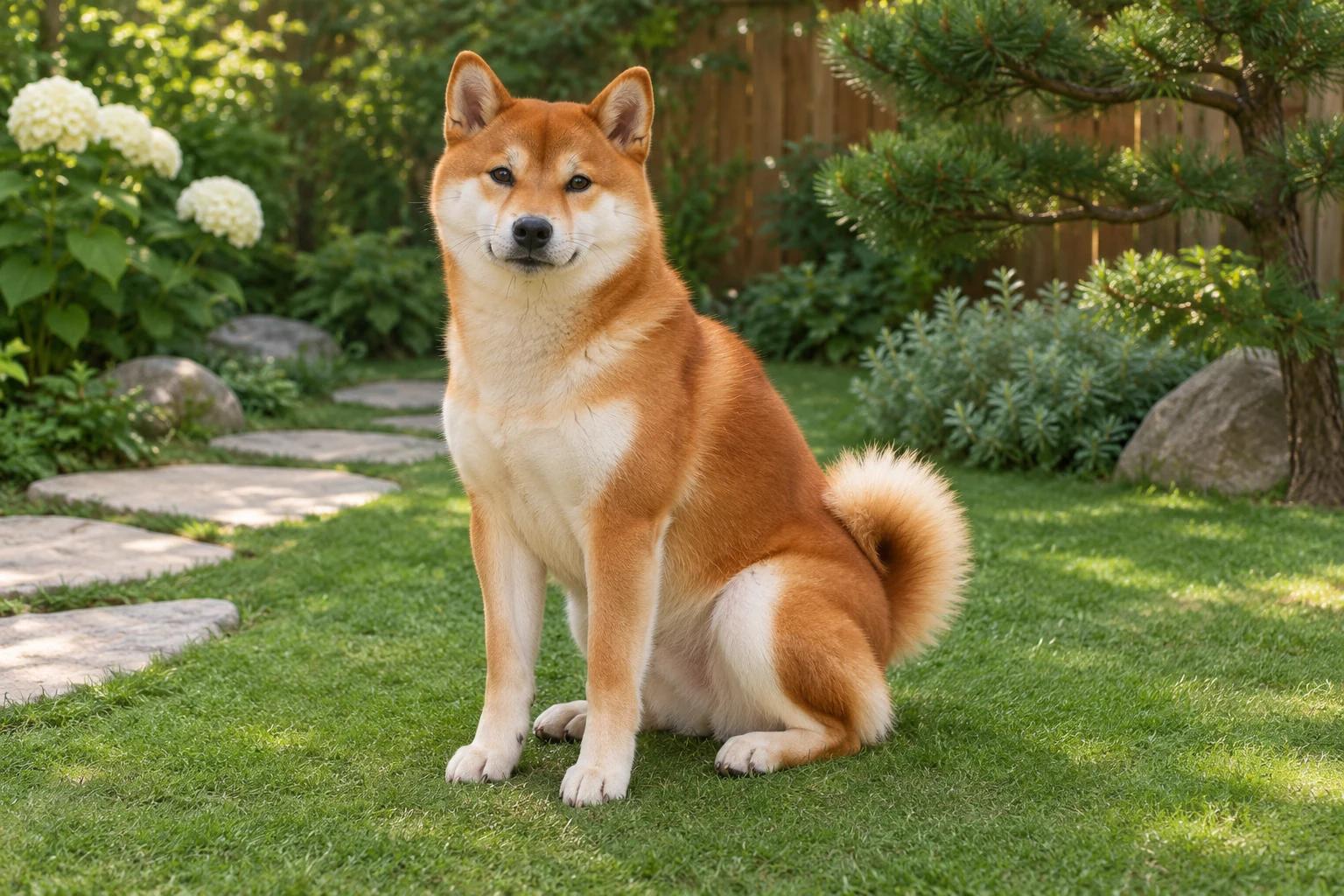
Shiba Inu temperament is easier to discuss through specific situations than through a string of flattering or exasperated labels. What do you want to understand: greeting visitors, spending time together or learning a particular skill? Start with a real question and the individual dog. The Shiba Inu profile provides wider context; this guide looks at social preferences, possessions, communication and teaching without promising that every Shiba will behave alike.
Shiba Inu temperament: independent is not uninterested
VCA describes the Shiba as intelligent, devoted and notably independent, with many showing affection toward familiar people while remaining reserved with strangers. This combination does not mean that every Shiba wants the same amount of physical contact. Nor does it mean the dog cannot learn. It means your expectations should allow for individual preferences and patient teaching. VCA Shiba Inu guide.
Give yourself time to learn the individual rather than choosing a label from the first meeting.
A practical starting point is to notice how your dog chooses to join you. Does the dog settle nearby, approach briefly or bring an object into the room? Do not require a particular display of affection before recognizing companionship. With someone unfamiliar, allow a meeting to be uneventful instead of asking the visitor to win the dog over immediately. Learning about Shiba Inu personality involves distinguishing familiarity from enthusiasm: a dog may know exactly who someone is without wanting an extended greeting every time that person arrives.
Pay attention to possessions without provoking a test
The National Shiba Club of America's introduction notes that some Shibas can be possessive about food or toys, including around other dogs. That is a reason to take resource-related tension seriously, not an invitation to repeatedly remove items to prove control. National Shiba Club of America introduction.
Arrange meals so dogs can eat without another animal pushing into the same space. Do not ask a visitor to reach into a bowl or grab a valued object as a demonstration of the dog's temperament. If an item creates tension, keep people away from the confrontation and seek qualified help with a safe plan. Explain which item was involved, who was nearby and what happened before the tension appeared; do not recreate the incident for a demonstration. Avoid assuming a breed label makes the behavior harmless or inevitable. The useful question is what arrangement protects everyone while the individual dog's needs are assessed, not which person can win a struggle over an object.
Read the whole interaction
Battersea's body-language guidance emphasizes looking at the dog as a whole and considering the situation. One feature in isolation does not provide a complete emotional translation. Changes in posture, movement and willingness to remain near someone matter together. Battersea body-language guide.
During contact, pause and see whether the dog chooses to return rather than continuously reaching after it. If the dog moves away, leave a route out instead of following into a corner. Notice a change from loose movement to stillness or tension and give space. This is particularly useful when someone calls a Shiba's behavior aloof without checking whether the interaction became uncomfortable. Familiarity with your own dog's ordinary posture helps, but it is not a substitute for professional advice when behavior worries you. Describe the sequence rather than using a label such as grumpy. Your notes might distinguish a dog approaching freely from one that remains only because furniture or a person blocks its exit.
Teach the action you want
AVSAB recommends reward-based methods and rejects training based on pain, intimidation or force. Its statement also makes clear that humane teaching can include structure and boundaries. You do not have to choose between harsh corrections and letting a dog do anything. AVSAB humane training statement.
For a practical example, define where you want the dog to stand while you prepare an outing, then reward progress toward that location. That gives the dog an achievable action rather than a stream of prohibitions. Keep the first version simple enough to succeed before adding distractions. A clear location and one requested movement are easier to teach than expecting the whole departure routine to appear at once. When choosing a trainer, ask how they would respond if the dog did not perform: a useful explanation should include changing the setup and teaching the missing skill, not escalating a confrontation. Serious fear or aggression needs qualified assessment, not an attempt to overpower the dog because the breed is described as independent.
Put Shiba Inu characteristics in context
Before choosing a dog, ask the caregiver to describe yesterday rather than recite a personality summary. Where did the dog go, who spent time with it and what was unfamiliar? That gives you a concrete starting point for questions about Shiba Inu behavior.
The breed matching quiz helps clarify the relationship you want. The existing Shiba Inu double-coat article addresses the separate maintenance commitment. Neither an appealing description nor one memorable encounter tells the whole story of ownership.
Frequently asked questions
Can a Shiba be affectionate without wanting constant contact?
Yes. Affection and a preference for brief or quieter companionship can coexist. Learn how the individual chooses to join you.
Should I remove food to test a Shiba's temperament?
No. Do not provoke a confrontation over possessions. Seek qualified help if resource-related behavior concerns you.
Does humane training mean having no boundaries?
No. Reward-based teaching can include clear structure. Teach the action you want without relying on pain or intimidation.
Sources behind this article
- VCA: Shiba Inu ↗
- National Shiba Club of America: Introduction to the Shiba Inu ↗
- Battersea: Understanding dog body language ↗
- AVSAB: Humane dog training position statement ↗
Article source checked: November 16, 2026. Source checked 2026-11-16
Keep reading

Airedale Terrier Temperament: What Everyday Life Can Feel Like
Read article →