Shiba Inu Exercise Needs: Walks, Games and Variety
Meet Shiba Inu exercise needs with purposeful walks, safe play and manageable challenges, without treating every dog as a fixed mileage target.
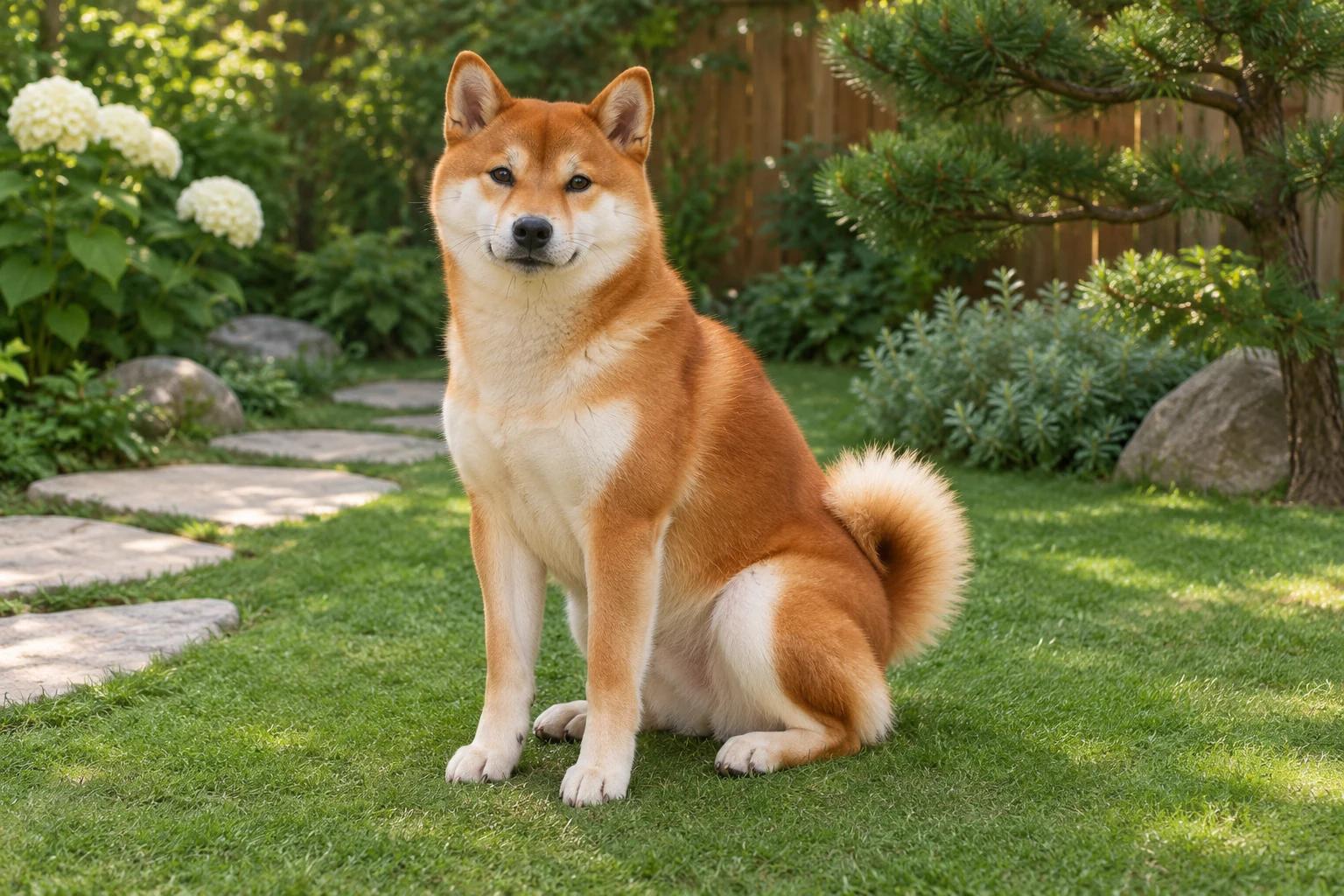
Shiba Inu exercise needs deserve a practical plan rather than a borrowed mileage target. What can you offer on an ordinary day, and what does your own dog already do comfortably? Start with those questions before designing an ambitious weekend. The Shiba Inu profile provides the broader introduction. This guide focuses on the details of outings and play, including how to make each activity workable for the individual.
Shiba Inu exercise needs begin with secure outings
The AKC's breed guidance emphasizes both mental engagement and physical activity. It also advises keeping a Shiba on lead unless inside a secure enclosure. Treat that boundary as part of preparing the activity, not as something to reconsider after the dog becomes interested in a distraction. AKC Shiba Inu guide.
For a hired exercise field, inspect the entrance and fencing before releasing the dog. Close the first gate before opening a second if the facility has an entry pen, and check that no one else is about to enter. A fence shown in a booking photograph does not confirm the present condition of every panel. Walk the boundary and look at ground-level gaps before releasing the dog. On an ordinary walk, choose a route you can enjoy with the lead attached rather than relying on a quiet-looking patch of open land. You can still offer interesting changes of direction and time to investigate without making freedom from equipment the measure of a successful outing.
How much exercise does a Shiba Inu need?
There is no single minute count that substitutes for the dog's age, condition and health. VCA recommends discussing an exercise plan with a veterinarian and building fitness progressively. A puppy's activity should not simply copy an adult's long run, and a demanding weekend is not equivalent to consistent everyday movement. VCA healthy exercise guidance.
Start a planning conversation with concrete examples: the route currently walked, the surfaces involved and how the dog moves afterward. Ask before introducing strenuous activity, particularly when the dog is growing, older or has a health concern. Do not assume every dog enjoys retrieving or swimming. Choose activities the individual willingly participates in, and increase demands gradually with appropriate guidance. If movement changes or the dog appears uncomfortable, stop the activity and contact the veterinarian rather than trying to exercise the problem away. Discuss the current starting point before adding distance, speed or difficult footing. Changing all three at once makes the new demand harder to judge.
Add a short, organized tug game
For a Shiba that enjoys shared toy play, tug can provide an alternative to repeatedly throwing a ball. AKC's guidance stresses brief invited bouts, a practiced release, a suitably long toy and keeping the dog's body in a natural alignment. Do not lift the dog by the toy or yank its head up and down. AKC safe tug guidance.
Choose a clear, nonslip area and present the toy where the dog can take it without jumping. Keep your hands away from the gripping end. Include pauses rather than continuing until the game becomes frantic; a dog that brings the toy back offers a different invitation from one that carries it away. Do not chase to reclaim it. If the dog has a physical concern, seek veterinary advice before using tug. Stand where you can keep your own balance without pulling the dog sideways. The activity is optional: a Shiba that does not choose this game does not need to be persuaded into enjoying it.
Give exploration a purpose
Dogs Trust recommends enrichment matched to the individual, with attention to safety, preference and difficulty. Its suggestions include food searches, suitable puzzle feeders and opportunities to sniff. Supervision matters, especially when materials could be torn or swallowed. Food used in activities should come from the dog's overall allowance. Dogs Trust enrichment guide.
For a simple indoor option, spread a small portion of suitable food across an easy, clean search area instead of immediately choosing a complicated puzzle. Watch whether your Shiba is finding it or becoming frustrated. Make access easier when necessary; difficulty is not a virtue by itself. For a puzzle feeder, watch the first attempts before leaving the dog to work. Access to the food should be understandable, not a source of repeated frustration. On walks, leave room for investigation rather than demanding continuous marching. A change of route can provide different information without turning the outing into a race. Remove an activity that is being chewed apart, and choose another format if the materials or food do not suit your dog.
Plan the Shiba Inu daily walk you can actually do
When considering Shiba Inu activity level, describe what happened rather than what the calendar promised. An outing interrupted by an errand is not the same experience as the planned walk. Choose your next activity with that distinction in mind.
The breed matching quiz helps prospective owners consider daily commitments. The separate Shiba Inu shedding guide covers coat maintenance, not exercise. Keep those responsibilities distinct when deciding whether the breed fits your life.
Frequently asked questions
Does a Shiba need to play tug?
No. Tug is an optional shared game, not a requirement. Choose something else if the dog does not enjoy it.
Should a Shiba's puzzle always get harder?
No. Keep the activity accessible rather than escalating difficulty and frustration.
Is an open field enough for off-lead exercise?
No. Use the lead unless the area is securely enclosed. An apparently quiet location does not provide a physical boundary.
Sources behind this article
- AKC: Is the Shiba Inu right for you? ↗
- VCA: Healthy exercise for dogs ↗
- AKC: Playing tug safely ↗
- Dogs Trust: Enrichment activities ↗
Article source checked: November 16, 2026. Source checked 2026-11-16
Keep reading

Afghan Hound Exercise Needs: Build a Workable Active Day
Read article →