Shetland Sheepdog Exercise Needs: Walk, Learn and Explore
Meet Shetland Sheepdog exercise needs with thoughtful walks, shared learning and scent games rather than chasing a single daily target.
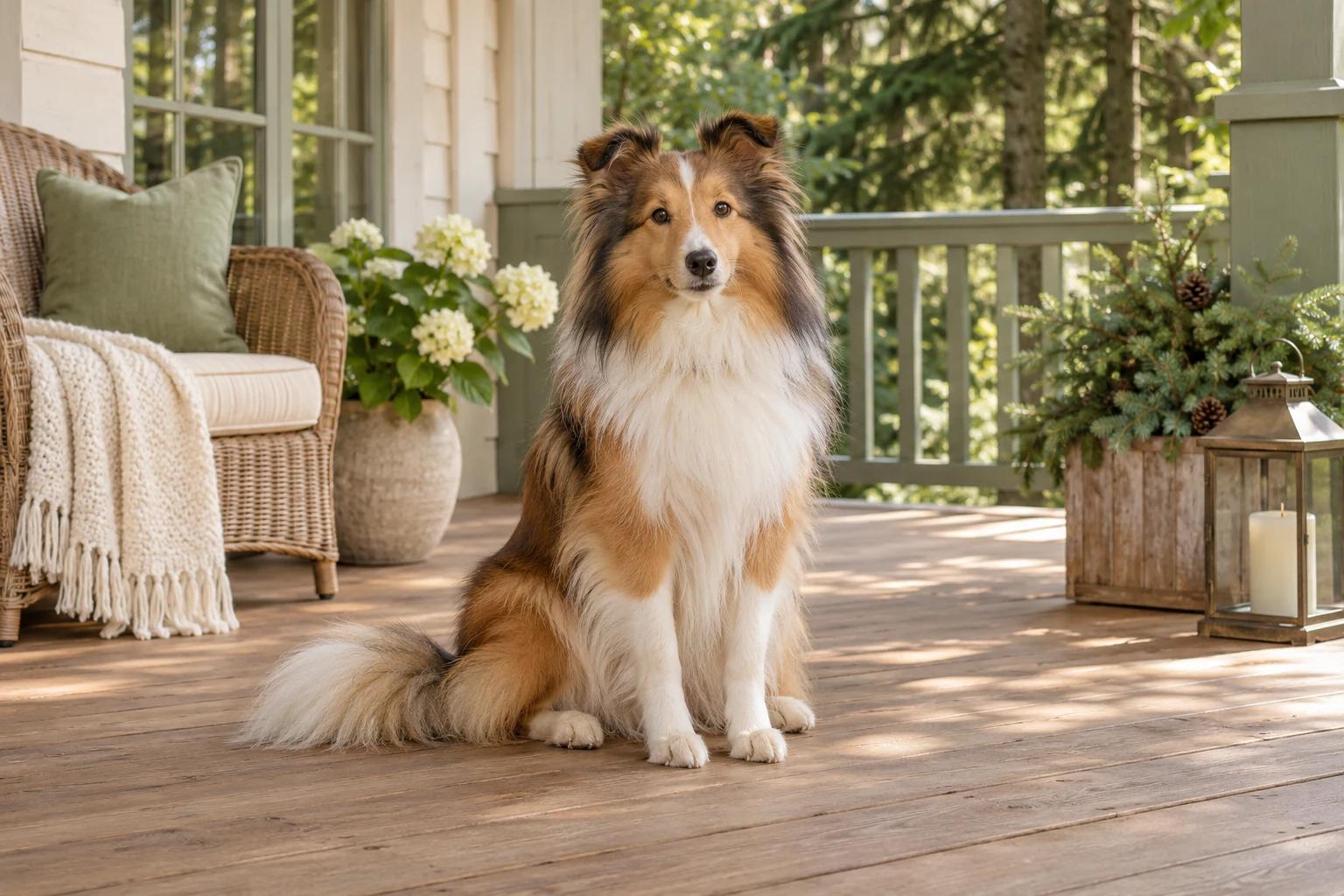
Shetland Sheepdog exercise needs are easier to plan when you can picture the activity itself. What will you and the dog actually do, where will it happen and what skill does it require? This guide looks at four useful parts of a routine, with practical details rather than a compulsory daily total. The Shetland Sheepdog profile introduces the breed. The existing window-barking article addresses that separate home-training issue.
Shetland Sheepdog exercise needs include engagement
The AKC Sheltie lifestyle guide describes an athletic, energetic breed that benefits from mental and physical activity. It also highlights chasing and the need for lead control and secure fencing. The practical implication is to plan a shared activity rather than assume the dog will invent a suitable occupation alone.
A Sheltie interested in moving things should not have to make a perfect decision beside an open boundary. Check a play area's fence and access points before releasing the dog. If people enter and leave through the same gate, consider how you will keep the dog secure during those transitions. A quiet field is not equivalent to an enclosed one.
Then choose what you will actually share inside that setting: a familiar game, a simple lesson or an outing with opportunities to investigate. Observe which parts the dog participates in willingly. You are not obliged to choose an elaborate sport to acknowledge the breed's abilities, but the human should contribute more than opening a door and waiting for the dog to become tired.
Plan the Shetland Sheepdog daily walk
VCA's walking guidance recommends veterinary advice before new physical demands, suitable equipment, attention to terrain and weather, water and paw checks. For a Sheltie, the relevant question is what this dog's age, condition and experience support, not how far another dog went yesterday.
Inspect the route before increasing its challenge. Rough footing, slopes and exposure can make equal distances very different outings. Choose somewhere you can turn back instead of committing to a long circuit with no practical exit. Check equipment before leaving and look at the dog's paws afterward, especially after unfamiliar terrain.
Do not treat an exercise target as a reason to continue if movement changes or the dog appears uncomfortable. Stop and seek veterinary guidance. How much exercise does a Shetland Sheepdog need? That question belongs in a discussion of the individual dog's actual activity and health, not a single number attached to the breed name.
Rally offers a moving partnership
AKC Rally involves a dog and handler following a course of signs that specify tasks. The dog works alongside the handler, and cooperation matters more than producing the fastest time. A class or event visit can show you how the activity works before you begin training for it.
For a Sheltie owner who enjoys precise shared work, the appeal is the sequence: moving together, responding to information and continuing to the next task. Start with foundation teaching and an appropriate instructor, not a complicated homemade course. The signs instruct the person; they do not magically explain the exercise to the dog.
Practice your own movement as well. A turn becomes confusing if you look one way while your feet move another. Learning where to stop and how to provide clear information makes this a partnership rather than a test of the dog's reputation for intelligence. Competition is optional. You can enjoy understanding the skills and improving coordination without needing every session to prepare for an award or a public performance.
A food search gives the nose a job
The AKC scent-game guide describes searches using clean boxes and food, with a clear finish after the available rewards have been found. It offers a different activity from continuous forward walking: the dog investigates a small area and locates something worthwhile.
For a first Sheltie search, make the reward accessible rather than burying it beneath an elaborate pile. Choose clean containers without staples or other hazards and supervise. Place everything where the dog can investigate without climbing into an awkward position. Packaging is equipment for the game, not something to swallow.
Allow the dog to investigate instead of pointing at every answer. If the arrangement is confusing, make it easier; adding boxes does not automatically make the game better. End when the search is finished and remove the setup. A small successful search can be more satisfying than a puzzle the dog cannot solve while a person repeatedly insists it keep trying.
Compare activities before adding another
When considering Shetland Sheepdog activity level, distinguish what you intended from what happened. An outing advertised as a walk might involve waiting in a queue; a planned lesson might be interrupted before it begins. Those are not failures, but they are different experiences. Describe the day accurately before deciding what to arrange next.
Choose one activity you can learn well rather than buying equipment for several unfamiliar sports at once. Ask for a demonstration of the first step and try to reproduce that step accurately. The dog match quiz can help prospective owners consider whether they enjoy this kind of active participation. An ambitious list is less useful than a skill you can confidently share on an ordinary day.
Frequently asked questions
Must a Sheltie compete to enjoy rally?
No. You can learn the foundations and enjoy coordinated practice without pursuing competition or titles.
What makes a first scent search too difficult?
A reward that is inaccessible or an arrangement the dog cannot understand can frustrate the search. Simplify rather than adding more boxes.
What should I describe when asking about a walk?
Explain the surface, slope, pace and available return options as well as its length. Distance alone does not describe the demand.
Sources behind this article
Article source checked: November 16, 2026. Source checked 2026-11-16
Keep reading

Afghan Hound Exercise Needs: Build a Workable Active Day
Read article →