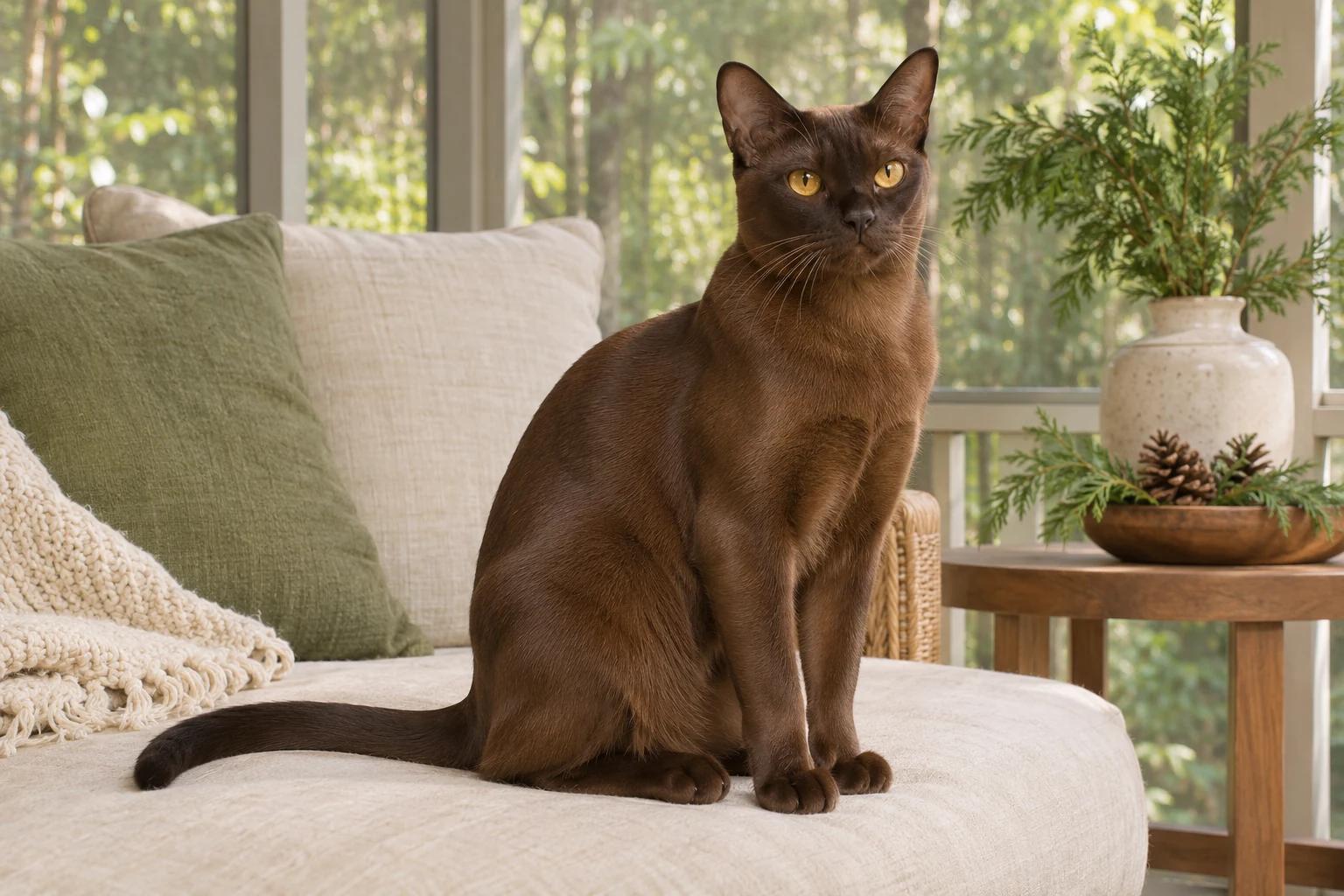
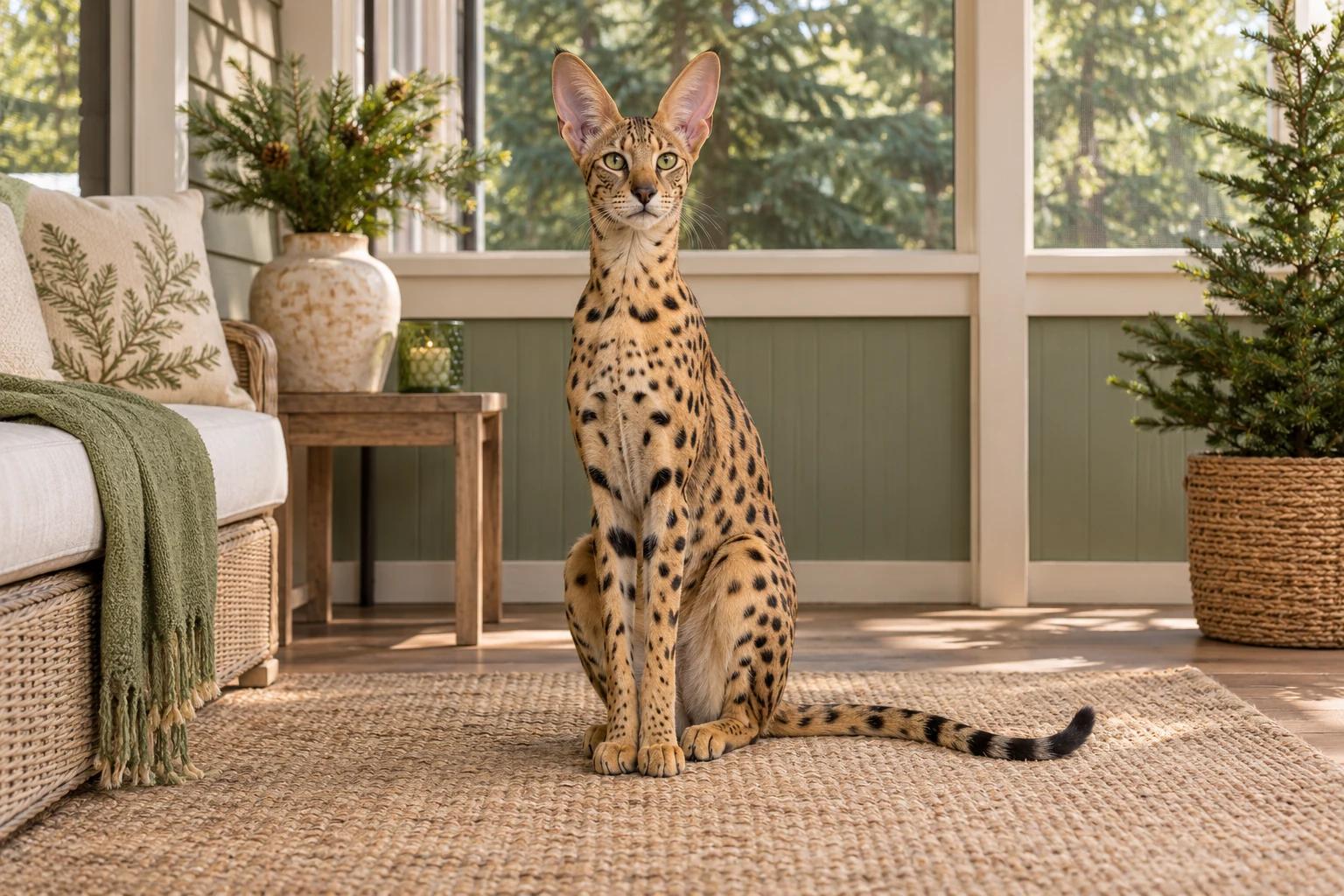
Introducing a food puzzle to a Serengeti without replacing meals
Introduce your Serengeti to a food puzzle with an easy starting point, an intact feeding plan and observations that keep eating accessible.
Choose a purpose smaller than a diet overhaul
TICA lists the Serengeti, but a breed name cannot tell you how quickly an individual will learn a food puzzle. Decide why you are offering one: an additional opportunity to explore and obtain food, rather than a test of intelligence or a way to make every meal difficult.
FelineVMA describes food puzzles as one way to support natural feeding behaviour. Begin within the feeding plan already appropriate for your cat. If there are dietary, weight or health instructions, ask your vet how the puzzle should fit them. Do not add unmeasured extra food or withhold the usual meal until the cat solves the new object.
Make the first attempt easy to understand
Choose an appropriate, stable item and follow its instructions. Offer it in a quiet place while you can observe, with food the cat is already able to eat. Start with an accessible option rather than the most complicated setting. This is a practical introduction, not a claim that a particular product or difficulty level suits every Serengeti.
Notice whether the cat approaches, investigates or obtains any food. Keep ordinary access to its agreed feeding arrangement while you learn. A cat walking away may be giving you information about the setup; it is not a reason to keep increasing hunger or insist that it finish. If the equipment is unclear or unsuitable, stop and choose another approach.
Keep the food record accurate
Count food offered through the puzzle within the individual plan, following veterinary advice where relevant. If more than one cat lives in the home, make sure you know which cat has access. FelineVMA recommends separated feeding stations rather than forcing cats to share a feeding space.
Write down what you offered and what you could actually observe. Do not treat an empty puzzle as proof that the intended cat ate the contents. If access is competitive or uncertain, review the arrangement before relying on it. The objective is a useful opportunity for this cat, not an attractive object that conceals confusion about intake.
Review interest without making a health promise
Inspect and clean the item according to its instructions, and put it aside if damaged. If appetite or eating changes, contact your vet rather than interpreting every difference as a response to the puzzle. An enrichment item cannot diagnose or treat the cause of a feeding problem.
Keep the option if the Serengeti uses it comfortably and it fits the care routine. Adjust or stop when it does not. Success can be modest voluntary participation alongside dependable feeding. It does not prove weight loss, prevent boredom or establish that a harder puzzle should replace the next ordinary meal.
Sources behind this article
Article source checked: October 22, 2026. Source checked 2026-10-22
Keep reading
How to organize measured meals for a British Shorthair
Read article →