Selkirk Rex vs Devon Rex: Different Curls, Different Care Questions
Compare Selkirk Rex vs Devon Rex body and coat descriptions, then assess individual handling, play and the care routine you can maintain.
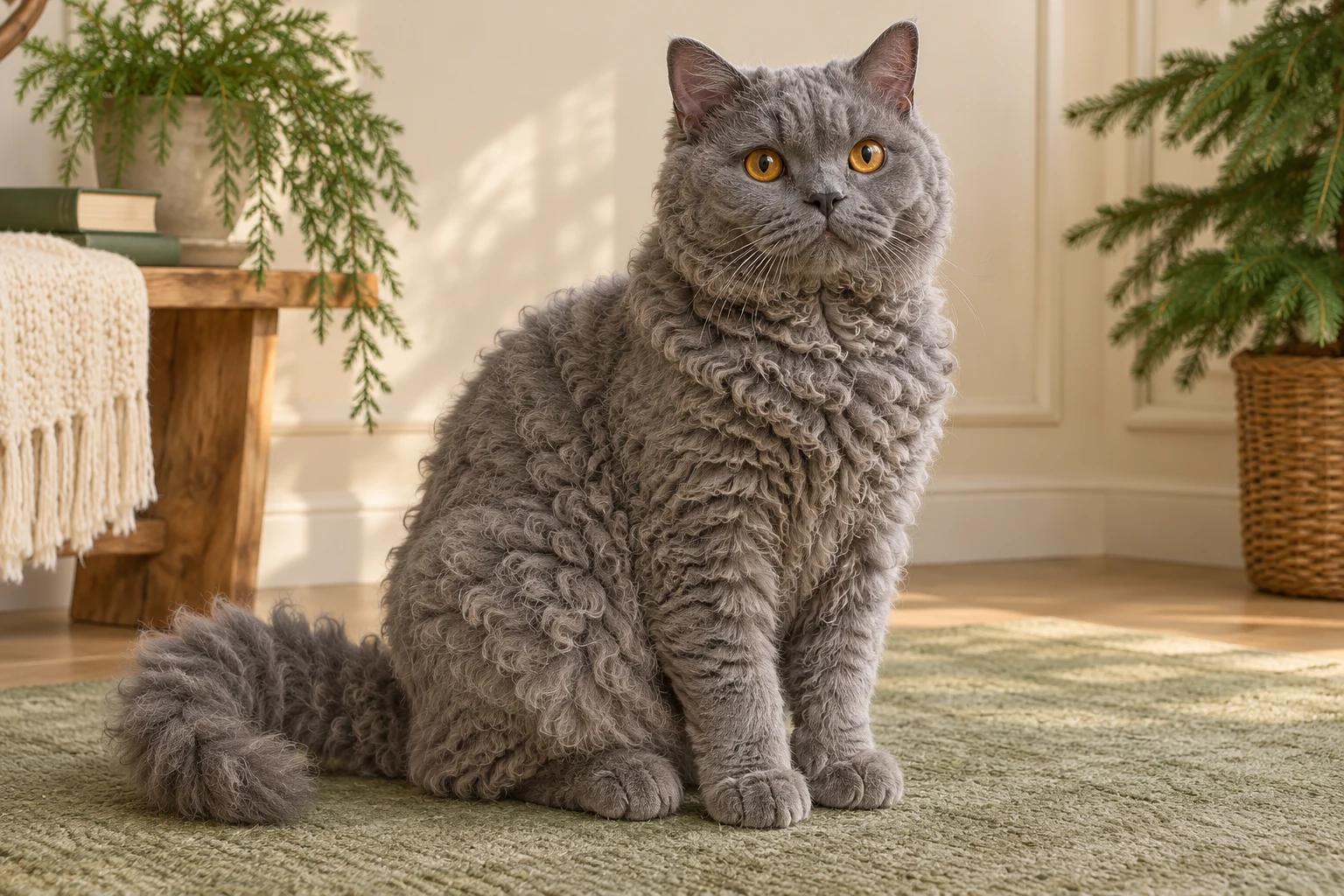
Selkirk rex vs devon rex is not a choice between two versions of the same coat. CFA describes the Selkirk's distinct curls on a substantial body and the Devon's softer waves and more delicate coat. Both names include Rex, but that shared word should not turn one animal's equipment, handling or care routine into a recommendation for the other.
If you are considering a selkirk rex or devon rex, begin with the actual cat and its demonstrated routine. Appearance can explain why the breeds interest you; it cannot establish which individual will enjoy your home or how much hands-on help its coat needs.
Selkirk Rex vs Devon Rex: identify the physical distinction
CFA describes the Selkirk Rex as medium to large, solid and muscular, with short or long curls. Its Devon Rex account describes a smaller-looking, fine outline, prominent ears and soft waves that can be fragile. These descriptions explain a visible difference without ranking the animals by size or desirability.
Read the Selkirk Rex profile and Devon Rex profile alongside the individual records. A difference between selkirk rex and devon rex should lead to practical questions about the coat and body, not a claim that any curly cat can be identified from a photograph.
Ask what documentation supports the breed description. When background is uncertain, retain that uncertainty rather than treating a soft or curly texture as proof of pedigree. The animal still needs individual care whatever is known about ancestry.
Compare a coat demonstration before comparing products
The current Selkirk profile calls for gentle care without harsh pulling and retains differing source references about frequency. The Devon profile emphasizes light, gentle attention and warns against treating its delicate waves like a dense longhair. Those are different starting discussions.
Ask the caregiver or an experienced cat-care professional to show what works for each animal. Which tool is used, how is the coat checked and when should the task pause? Do not transfer a combing method automatically because both coats look unusual.
The existing Selkirk grooming-kit guide addresses equipment selection and maintenance. Use it for that task, while keeping this comparison focused on the distinction between the actual coats rather than assembling one universal Rex kit.
Do not turn curl into a shedding or allergy promise
A coat's appearance cannot establish that a household will have no loose hair or that an allergic person will tolerate the cat. This comparison makes no low-allergen or suitability claim. Personal medical questions belong with the appropriate professionals rather than a breed advertisement.
Likewise, a thin-looking area or changed texture should not be diagnosed from a generalized coat description. Ask the veterinary team about a concern or a change in the individual. A source mentioning fragility is not permission to ignore unfamiliar skin findings.
Avoid trying to restore an ideal photograph through extra brushing, products or bathing. The animal's comfort and current condition matter more than whether its curls look identical to a show image. Care questions should be resolved through suitable advice, not a beauty experiment.
Ask about company without requesting tolerance tests
Registry accounts describe social interaction in both breeds. A devon rex vs selkirk rex decision still needs the individual's preferences: nearby rest, play, petting and being lifted are different experiences. Ask for examples from familiar daily life.
During a meeting, let the cat choose whether to approach and when to leave. Do not ask somebody to hold it through an unfamiliar grooming demonstration to prove it has a relaxed temperament. A gentle reputation does not make uncomfortable handling appropriate.
Adults should guide children and explain resting-place boundaries. Other animals require their own introduction assessment. Broad statements about sociability cannot guarantee that either candidate will accept a particular person or pet in your home.
Plan activity alongside rest
The Selkirk profile asks for interactive play even when an animal appears placid, and the Devon profile describes curiosity and participation. Those descriptions support providing opportunities, not forcing one cat to match another's energy in a visit.
Ask which games are familiar and how the individual chooses to stop. A simple activity may be more enjoyable than an unfamiliar device. Do not judge intelligence from whether a cat solves a particular puzzle on demand.
FelineVMA's indoor-cat guidance places play within a wider environment of retreat, resources and positive contact. Plan that environment for either choice. The ability to rest undisturbed is not the opposite of enrichment; it is another important option.
Equipment needs the actual animal's measurements
A substantial Selkirk outline and a finer Devon frame suggest different fit questions, but they do not select a carrier or perch automatically. Check usable interior space, access and stability, and follow manufacturer instructions about load and installation.
Ask about familiar equipment before replacing it based on breed categories. An animal that looks small can still find an opening awkward, and a larger coat can obscure how much of a resting surface supports the body. Observe comfortable ordinary use without repeatedly positioning a reluctant cat.
Do not convert a reference weight into a feeding target. Ask your veterinarian about body condition or a change rather than trying to make the animal resemble a preferred example. This comparison gives no growth prediction or diet prescription.
Decide from a practical care history
Use the cat quiz to organize your expectations, then compare those preferences with each animal's documented routine. Include coat work, play, accepted handling and backup care. If one account is mostly about the appeal of curls, you need more information.
Review veterinary records and unresolved questions with the appropriate professional. A pedigree or one test result cannot establish general health. An honest account of a difficult task is more useful than a promise that an unusual coat is effortless.
The useful choice is not the Rex with the most photogenic curls. It is the individual whose needs you understand and can support, including the ordinary work that continues after the appearance becomes familiar.
Frequently asked questions
Are Selkirk Rex and Devon Rex coats interchangeable?
No. CFA describes distinct curls in the Selkirk and soft, potentially fragile waves in the Devon. Learn the actual animal's care rather than applying one universal method.
Does either coat guarantee no shedding?
No such guarantee is made here. Coat appearance cannot establish a hair-free home or an individual shedding allowance.
Does a social reputation mean the cat enjoys grooming?
Not automatically. Ordinary company and a particular handling technique are different experiences. Ask for a suitable demonstration and respect the animal's response.
Which is guaranteed to suit a busy family?
Neither breed label can guarantee that. Assess the individuals, the environment and the care responsibilities without relying on broad compatibility claims.
Sources behind this article
Article source checked: November 20, 2026. Source checked 2026-11-20
Keep reading

Abyssinian vs Somali: Coat, Size and Everyday Company
Read article →