Segugio Italiano vs Bracco Italiano: Everyday Choices
Compare Segugio Italiano and Bracco Italiano working interests, build and practical companionship without treating breed labels as promises.
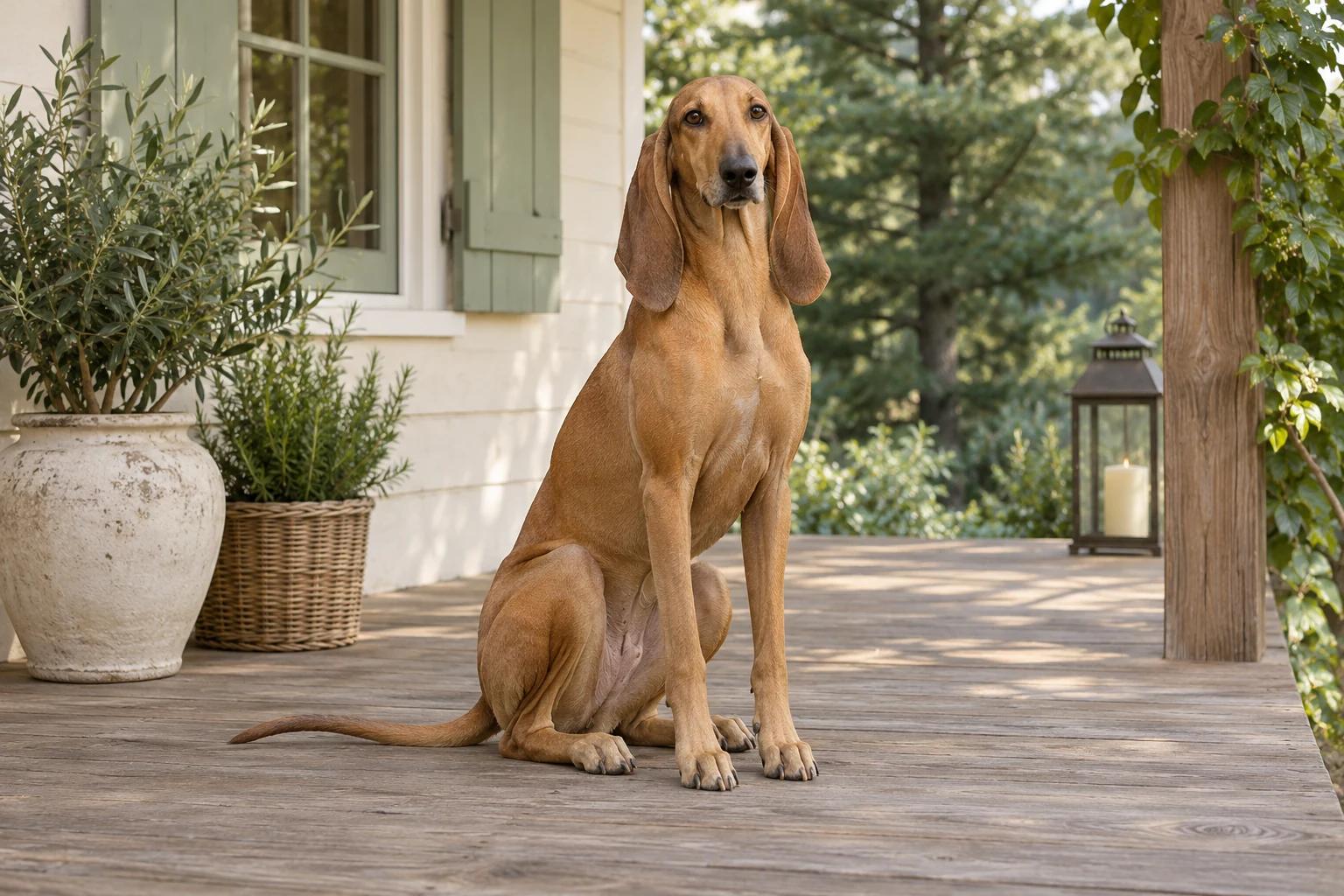
A Segugio Italiano vs Bracco Italiano comparison is most useful when it moves beyond two appealing Italian dogs with hanging ears. Your choice concerns the activities you enjoy sharing, the individual dog's existing skills and the practical places where you will live together. Neither a photograph nor a breed reputation can settle those questions alone.
Start with the Segugio Italiano profile and Bracco Italiano profile. The separate Segugio coat-reference article covers a different question; here the emphasis is everyday fit rather than coat terminology.
Segugio Italiano vs Bracco Italiano: the Segugio's interests
The FCI Segugio standard describes a scent hound that works alone or in a pack, with endurance and eagerness across varied terrain. It describes a steady but less outgoing temperament. Meet the individual outdoors as well as indoors: a quiet introduction does not show everything that may interest that dog on a walk.
The Bracco's physical and working character
The FCI Bracco standard describes a pointing dog with a strong, muscular construction, a broad chest and a distinctively sculpted head. Its history includes bird hunting and retrieving. The standard also describes a willingness to learn. That combination gives a more useful starting point than treating the Bracco as simply another long-eared hound.
If you enjoy retrieving games, ask whether the particular Bracco actually likes carrying and returning objects. A breed's working description is not a promise that an unfamiliar dog will deliver a toy neatly into your hand. Watch what happens after the pickup, not just the chase: does the dog bring the object closer, carry it away or lose interest?
The substantial body also deserves a practical look. Meet an adult at floor level, see how much room it occupies beside a chair and consider whether your transport arrangement accommodates that individual comfortably. A picture taken from above is a poor substitute for this encounter.
Teach a return rather than assuming one
Battersea's recall guidance recommends starting in a secure, relatively undistracting place and choosing a reward the dog genuinely values. Use a consistent cue, including a whistle if that is your choice, and make returning worthwhile. Do not make every return predict the immediate end of enjoyment.
For either breed, ask the current keeper to demonstrate the dog's existing return cue in an appropriate enclosed setting. Observe the distance and circumstances instead of being satisfied with “he comes back.” A response from beside the keeper is a different task from returning across a space with something interesting in it.
Discuss safe containment before taking responsibility for the lead. A demonstration is information, not permission to repeat it off lead somewhere unfamiliar. Your first shared outings should not depend on skills you have only heard described. Decide where the dog can safely practise before deciding how impressive the finished behaviour should look.
Compare an actual walk, not an imaginary countryside life
If you are weighing a Segugio Italiano or Bracco Italiano, picture the route you can genuinely use on a wet weekday. Does it begin with a narrow pavement? Is there a busy crossing before the open space? Are passing dogs unavoidable at the entrance? These details determine which skills you need immediately.
Ask to accompany a normal outing rather than requesting a special performance. Notice where the keeper changes position, chooses a different path or pauses. Ask what the dog is doing at that moment. You may learn more from an ordinary corner than from a polished video of a favourite activity.
Compare your own enjoyment too. Would you feel frustrated when an outing takes an unexpected direction, or are you happy to explore within safe boundaries? Do you prefer structured games, wandering routes or a mixture? Choosing a dog should not require pretending to enjoy a daily activity that already feels like a chore.
Look at comfort in shared spaces
A Bracco Italiano vs Segugio Italiano decision also reaches indoors. During a visit, allow time for the initial excitement to pass. Where does the dog choose to stand or lie? Can everyone move around without stepping over it? How does the keeper manage doors, food preparation and arrivals?
These observations are not a temperament test. The setting may be familiar to the dog and unfamiliar to you, or the reverse. Their value is in revealing practical arrangements you might otherwise overlook: a resting place outside the kitchen route, a separate entry area, or a better location for the water bowl.
If another dog already lives with you, assess that relationship separately. Similar appearance, shared nationality or a working label does not establish compatibility. Ask the people responsible for both dogs to help plan an appropriate introduction rather than arranging a surprise meeting during collection.
Choose the dog whose present life you understand
The difference between Segugio Italiano and Bracco Italiano matters most when it leads to better questions. Ask what happens on days without a special outing, which activities the dog already knows and what still needs teaching. Request examples from ordinary days, not just the best moments.
For an adult dog, a demonstrated routine gives you a concrete starting point. For a puppy, meet appropriate adult relatives where possible and ask how the puppy's experiences are developing. Do not turn one relative's behaviour into a prediction, but do use the opportunity to see adult dogs beyond their portraits.
Use the dog match quiz to explore your preferences, then return to the individual. A useful choice is not the breed with the most flattering adjectives. It is a dog whose needs you can meet and whose company you want during the uneventful parts of the week as well as the enjoyable outings.
Frequently asked questions
Which dog should I meet first?
Meet whichever dog you can see in an ordinary setting with a knowledgeable keeper. A relaxed, informative visit is more useful than rushing to view both breeds at a busy event. Leave enough time for questions after the first excitement has passed.
Can photographs settle the comparison?
No. Photographs can show appearance, but they cannot show how your home, transport and daily routes will work with a particular dog. Use pictures to identify questions, then answer those questions through suitable visits and demonstrations.
What if I like both equally?
Compare the actual dogs and the support available, rather than forcing a breed winner. An honest explanation of unfinished skills and everyday routines is more valuable than an assurance that one breed will automatically fit your life.
Sources behind this article
- FCI: Italian Short-Haired Segugio standard ↗
- FCI: Bracco Italiano standard ↗
- Battersea: Teaching recall ↗
Article source checked: November 16, 2026. Source checked 2026-11-16
Keep reading

Affenpinscher vs Brussels Griffon: Everyday Differences
Read article →