Sealyham Terrier Exercise: Walks, Searches and Play
Plan Sealyham Terrier exercise with varied walks, achievable scent games and suitable shared play, adapting the activity to the individual dog.
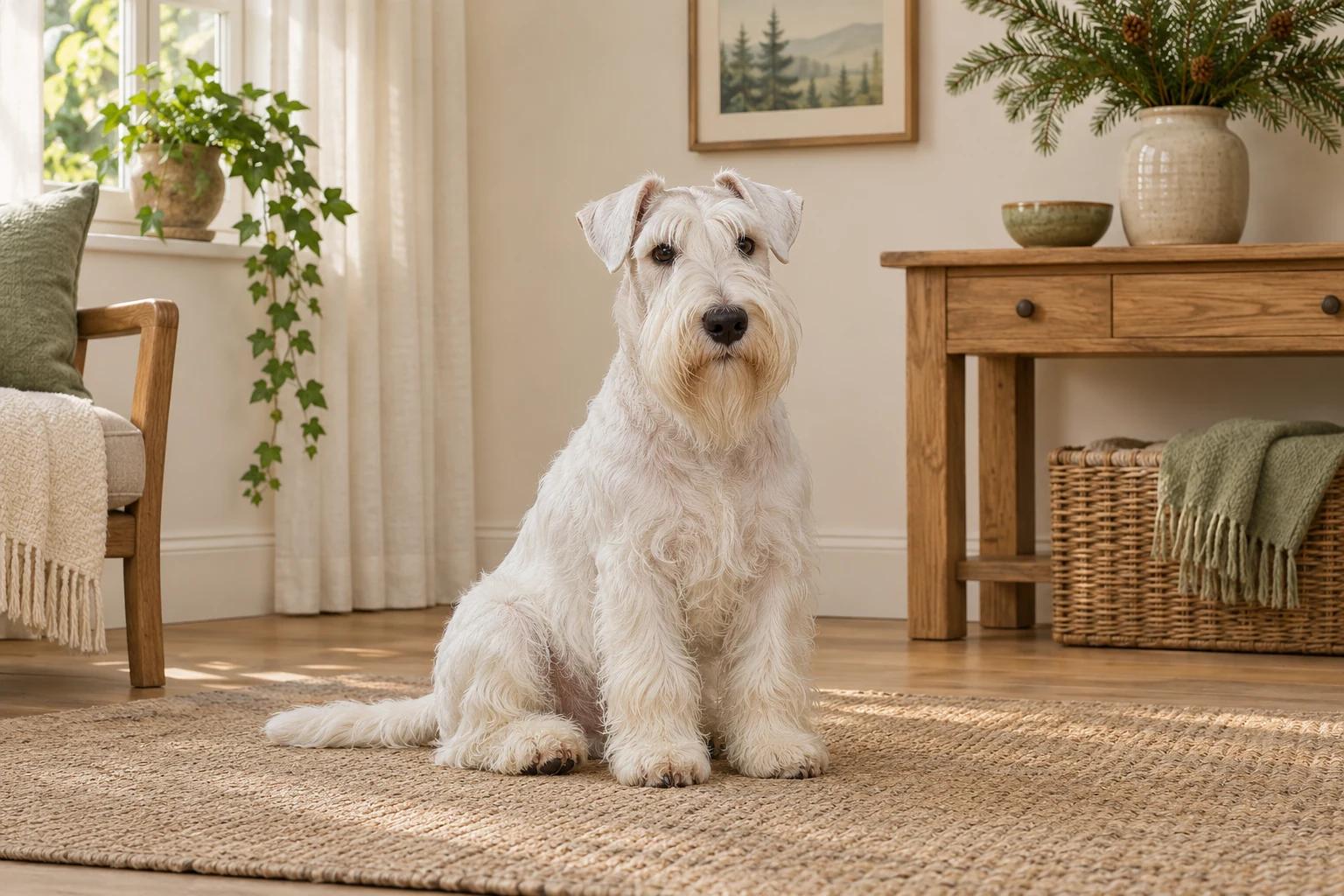
Sealyham Terrier exercise should be an enjoyable collection of activities, not a daily test of how much movement you can extract from a small dog. Consider the outing, the game and the opportunity to investigate as different parts of the experience. A varied day can offer more than repeating the same demanding activity until the dog stops.
The Sealyham Terrier profile introduces the wider commitment. Here, the focus is on practical activity choices, rather than the separate appearance topic in the white coat and head markings guide.
Sealyham Terrier exercise starts with the willing participant
The AKC breed introduction describes a sturdy, spirited and outgoing companion. Those qualities make shared activity worth offering, but they do not tell you how much your individual dog should do today.
Begin by observing a familiar activity rather than immediately adding a new challenge. Does the dog willingly join you, move comfortably and remain interested in what is happening? Think about the entire experience, not just the most energetic moment. A person can enjoy an impressive burst of play and overlook that the rest of the session was awkward or uninviting.
If you are adopting an adult, ask the caregiver to demonstrate an ordinary outing or game. Find out what happens on a typical day, not only on the dog's most adventurous weekend. That gives you a realistic starting point from which to learn together, instead of assuming a breed reputation supplies an individual exercise programme.
Build a walk around the dog and the route
VCA's walking guidance recommends veterinary advice before new physical demands, properly fitting equipment, attention to the walking surface and water for outings. It also suggests an easier beginning and ending rather than moving immediately into and out of a vigorous pace.
For a sealyham terrier daily walk, look at the actual route. A short map distance may include steep ground, hot paving or a busy crossing. Choose an alternative when the conditions make the familiar route unsuitable rather than treating completion as the main goal.
Give yourself room to change pace or turn back. A circular route with no convenient shorter option can make it harder to respond when the outing is not going well. If the dog's movement changes or you are uncertain about suitable demands, ask your veterinarian instead of extending the walk to test endurance. The destination is less important than an outing the individual can manage comfortably.
Introduce a simple indoor search
The AKC indoor scent-games guide describes easy food searches using cups or boxes. Begin with a reward the dog can find readily. For a cup game, let the dog see the food placed underneath, then lift the cup when the dog investigates so the reward becomes accessible. Add complexity only after the basic game makes sense.
Choose clean equipment without staples or detachable hazards and supervise the game. A container should not become something the dog must destroy to succeed. If your Sealyham starts chewing it, change the arrangement rather than praising persistence in the wrong task.
Keep the first search small enough that you can tell what is happening. One clear success is more useful than a room full of hidden food that neither participant can account for. Use suitable food within the dog's feeding plan, and finish while the game still has an understandable purpose. You do not need essential oils or competition equipment for this introductory activity.
Choose a shared toy game that fits
The AKC tug guidance recommends a suitable toy, brief invited exchanges and a learned release. It cautions against lifting the dog's feet off the ground, twisting the neck or applying excessive force, and notes that tug does not appeal to every dog.
For a Sealyham, bring the game to a comfortable level instead of asking the dog to hang from a toy held high above it. Allow room between your hands and the dog's grip. The object of the interaction is shared play, not proving which participant is stronger.
If the dog leaves with the toy, do not turn the moment into a chase or a struggle to retrieve it. Choose another activity if this game does not work comfortably for you both. Consult your veterinarian about physical concerns and a qualified reward-based trainer if play becomes difficult to manage. A different game is a valid choice, not a lesser form of companionship.
How much exercise does a Sealyham Terrier need?
Ask your veterinarian about suitable activity before substantial changes. Describe your dog's age, health and current routine.
Sealyham Terrier activity level is not measured by enthusiasm for one toy. An unused toy tells you about that particular invitation, not whether the dog needs a harder workout.
Keep the human side manageable
Choose activities you can operate comfortably. If you spend most of a game untangling equipment or reaching awkwardly, simplify it. A clear, repeatable invitation is more useful than an elaborate setup that leaves you frustrated before the dog has understood it.
When several people take part, show them the actual activity rather than merely telling them to exercise the dog. Let each person observe what success looks like and when to stop. They do not need to compete to produce the most energetic response.
The dog matching quiz can help you consider the time and interaction you can genuinely provide. Before choosing a Sealyham, picture ordinary weekdays as well as enjoyable outings. The goal is a shared life with worthwhile activity, not a collection of impressive exercise claims.
FAQ
Should I judge a session by its most energetic moment?
No. Consider the whole interaction, including whether the dog willingly joins and how comfortably the activity unfolds. A dramatic moment is not a complete account of the experience.
Is a complicated game automatically better?
No. Choose something you can present clearly and manage comfortably. An elaborate arrangement can obscure the task or make participation awkward without adding anything useful for the dog.
What should another caregiver know about an activity?
Show the actual game or outing rather than giving a vague instruction. Explain what the dog already understands and when you would stop or change the plan, so the person is not improvising around an unfamiliar task.
Sources behind this article
- AKC: Sealyham Terrier ↗
- VCA: Dog Walking Safety Tips ↗
- AKC: Indoor scent games ↗
- AKC: Playing tug safely ↗
Article source checked: November 16, 2026. Source checked 2026-11-16
Keep reading

Afghan Hound Exercise Needs: Build a Workable Active Day
Read article →