Samoyed vs Chow Chow: Build, Coat and Companionship
Compare Samoyed and Chow Chow outlines, care and companionship, with practical ways to look beyond their striking coats.
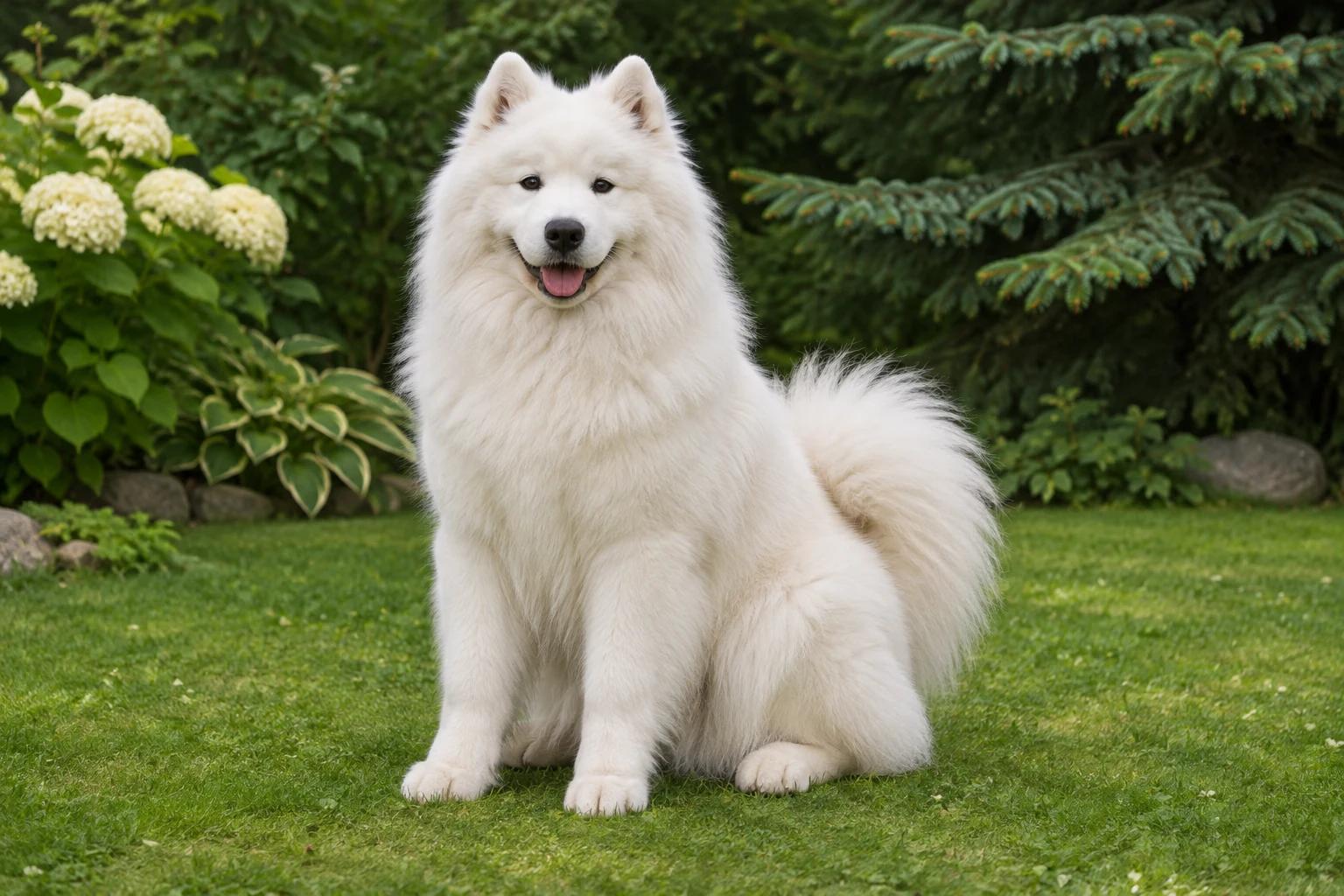
A Samoyed vs Chow Chow comparison should begin with the dog beneath the photograph. Both can make an immediate visual impression, but choosing a companion requires more than deciding which face you prefer. Look at complete adult dogs, watch ordinary movement and discuss the work behind the appearance you admire.
This comparison separates physical description from everyday care and individual behaviour. None of those categories can substitute for the others. A breed standard describes an ideal; a meeting reveals one dog in one setting. You need both background knowledge and specific questions about the animal you may bring home.
Samoyed vs Chow Chow: two different outlines
The Samoyed standard describes a muscular dog just longer than tall, with moderately long legs, a deep chest and a wedge-shaped head. Erect ears, dark almond-shaped eyes and upturned mouth corners contribute to its familiar expression. Males stand 21–23.5 inches at the shoulder; females stand 19–21 inches.
Its coat combines a dense, soft underlayer with longer hair standing away from the body. White, cream, biscuit and white with biscuit are described colours. The coated tail may lie over the back or side when the dog is alert and drop at rest. A headshot therefore misses parts of the shape.
Compare chest, legs and body length in a side view on level ground. Hair volume does not establish skeleton size; an overhead photograph can also make the legs appear shorter.
The difference between Samoyed and Chow Chow structure
The Chow Chow standard describes a square, compact, muscular dog with substantial bone, a broad head and a short, broad muzzle. Its average shoulder height is 17–20 inches. The hindquarters have relatively little angulation, contributing to the breed's characteristic shorter, stilted movement.
Both rough and smooth coats occur. The rough version has an abundant, offstanding outer coat and a pronounced ruff; the smooth version has a dense outer coat without that same ruff and feathering. Recognized colours include red, black, blue, cinnamon and cream. A cream dog is not simply a Samoyed in a different pose.
Watch several normal strides instead of comparing two still images. The Chow's outline and movement belong together. Do not encourage a dog to hurry or pose awkwardly just to reproduce a show photograph. For a prospective owner, seeing comfortable ordinary movement is more useful than trying to judge technical points yourself.
Chow Chow vs Samoyed: compare care honestly
The Samoyed Club's grooming guidance rejects the idea that Samoyeds never become dirty, shed or require bathing. Brushing helps remove soil, but it does not make bathing unnecessary. The surroundings and the dog's activities influence how much cleaning is needed.
An adult's polished appearance may represent work you have not seen. Ask the caregiver to demonstrate a manageable section of the routine, including how they reach through the coat rather than merely smoothing its surface. Find out what they handle themselves and when they obtain professional help.
Try the working position, not just the brush. Can you comfortably reach the areas being demonstrated without leaning across the dog? Is there somewhere suitable to carry out care after a wet walk? These are more useful questions than asking whether the breed is generally easy to keep clean.
The separate Samoyed summer-coat article addresses shaving decisions. Here, the comparison is about accepting ordinary maintenance rather than expecting the appearance to maintain itself.
Samoyed or Chow Chow: what kind of interaction?
VCA's Chow Chow account describes an independent, reserved dog and emphasizes that basic manners still need teaching. It also notes that close petting and fussing may not be welcome. A quiet presentation should not be interpreted as permission for prolonged handling.
When meeting a Chow, let the caregiver show how the dog normally chooses to interact. Do not repeatedly reach for it because you have not yet received the greeting you hoped for. Ask what companionship looks like at home after the visitor has left and the unusual occasion is over.
The same account identifies substantial coat care and extra attention during shedding. Ask to see the actual coat rather than choosing from a distant photograph. Discuss the individual's experience of grooming, including which parts require assistance. A dog that stands comfortably for its familiar caregiver may need time and teaching with somebody new.
This is not a contest over which breed is more affectionate. It is a question of whether you will enjoy the relationship that a particular dog offers.
Make the comparison concrete
Before visiting, choose three questions that would actually change your decision. For example: what does this dog do while its caregiver reads, how does it take part in an ordinary outing, and what maintenance task is most difficult? Ask for examples rather than a string of flattering adjectives.
If possible, spend time with adults in more than one setting. A busy event, a quiet home and a brief meeting outside do not reveal the same information. Keep your observations modest: you saw what happened on that occasion, not a complete prediction of future life.
Read the Samoyed profile alongside the Chow Chow profile, and use the dog match quiz to identify questions worth pursuing. There is no need to declare one breed the winner. The useful result is knowing which individual and which everyday relationship you can realistically support.
FAQ
Is a pale Chow Chow the same breed as a Samoyed?
No. Similar colouring does not make two dogs the same breed. Consider their full outlines and known backgrounds rather than identifying them by colour alone.
Can a photograph tell me which dog will suit me?
No. It cannot show the complete care routine or the relationship a dog has with familiar people. Meet adults and ask about ordinary life.
What should I ask before choosing between them?
Ask for concrete examples of daily interaction, outings and maintenance. Focus on the answers that would genuinely affect your decision rather than collecting general praise.
Sources behind this article
- Samoyed Club of America: AKC standard ↗
- AKC: Chow Chow standard ↗
- VCA: Chow Chow ↗
- Samoyed Club of America: Grooming ↗
Article source checked: November 16, 2026. Source checked 2026-11-16
Keep reading

Affenpinscher vs Brussels Griffon: Everyday Differences
Read article →