Samoyed Temperament: Company, Curiosity and Learning
Understand Samoyed temperament through shared activities, clear teaching and individual preferences, with practical lessons to try together.
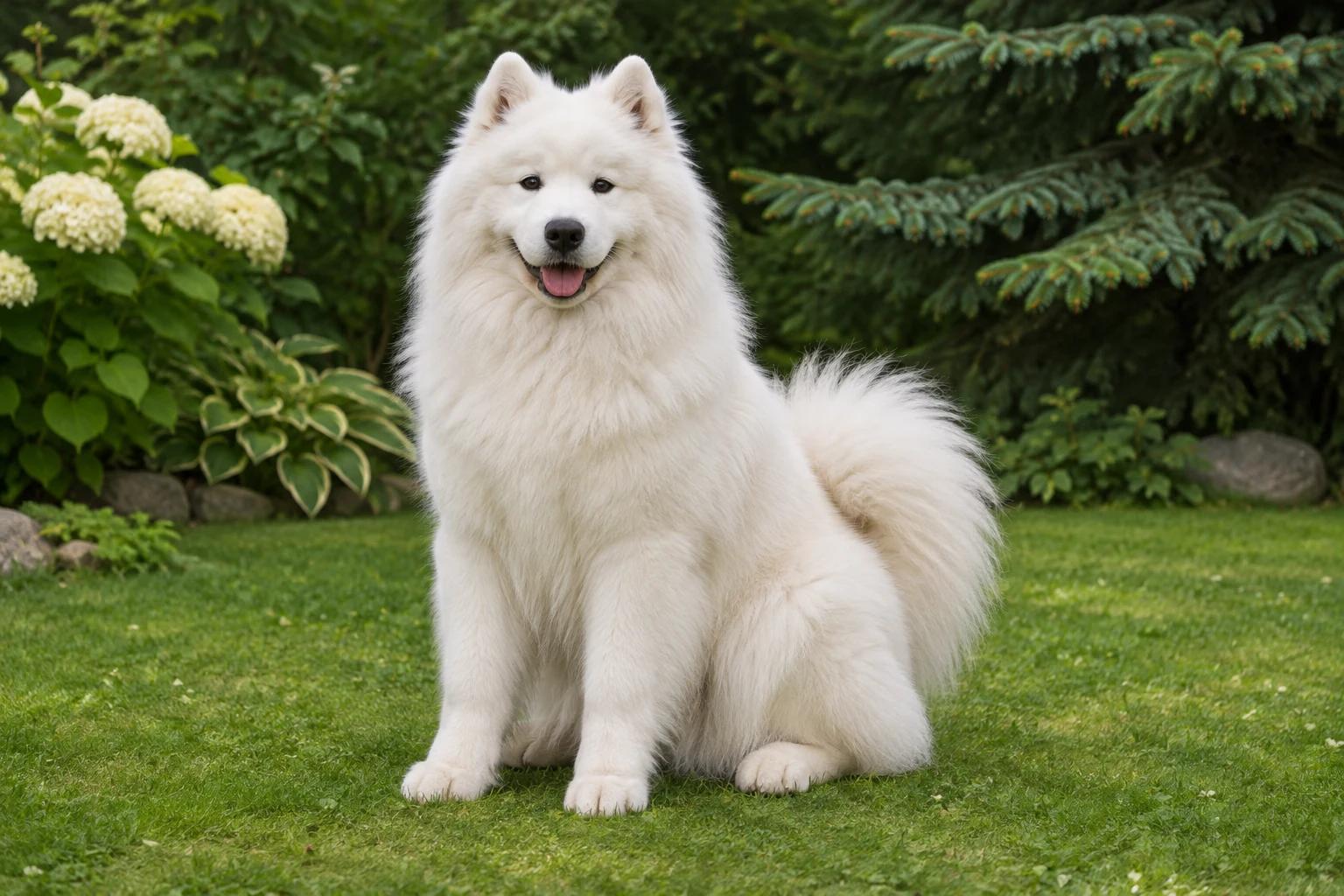
Samoyed temperament is better explored through ordinary interaction than through the expression in a favourite photograph. Ask what the dog chooses to do with familiar people, which activities it enjoys and how it responds when a request is unclear. These details make a personality description useful rather than merely appealing.
There is no need to make every moment a test of loyalty or intelligence. A dog can be an enjoyable companion without performing for an audience. The practical goal is to build a relationship in which you can share activities, explain everyday requests and recognize when the individual needs something different.
Samoyed temperament: company is part of the picture
The Samoyed Club's temperament account describes an inquisitive, playful companion that takes an interest in people. It warns against treating the backyard as a substitute for a relationship. The account also emphasizes individual differences, even among puppies from the same litter.
Make room for shared time that is not restricted to feeding and departures. That might mean sitting together after an outing or inviting the dog into an ordinary household activity where it can participate safely. Company does not have to mean continuous touching or constant entertainment.
Notice the invitations your particular dog accepts. Does it bring an object, approach when you move to another room or choose a nearby resting place? Those observations are more informative than deciding that every Samoyed must show affection in exactly the same way. If the dog withdraws from an interaction, let the moment end rather than insisting on the response you expected.
Samoyed personality and everyday teaching
The club's training guidance identifies a working breed that enjoys action and attention, and recommends early classes and clear, consistent teaching. It also notes that Samoyeds can be vocal. Those tendencies are reasons to teach useful alternatives, not to assume an adult will arrive with household manners already installed.
Choose an instructor who can demonstrate reward-based methods and explain what happens when a dog is confused. Ask to observe a class before joining. You should be able to see how the instructor helps people change a task rather than simply demanding louder commands.
For voice-related concerns, describe the situation precisely: what happened before the sound, what the dog did next and how people responded. Do not assume every episode has the same cause. Persistent distress or a sudden behavioural change warrants veterinary advice, with qualified behavioural support where appropriate. A breed label is not a diagnosis.
A useful first lesson: lying down voluntarily
Dogs Trust's down lesson begins from a familiar sit. Move a food lure toward the floor in front of the paws; reward the dog when it follows into a down. If the whole movement is difficult, reward smaller movements toward the floor first.
Once the action is familiar, use the same hand movement without food in that hand, then reward from the other hand. Add the spoken cue before the gesture when the movement is reliable. Never push the dog's back down to manufacture the position.
For your Samoyed, choose a comfortable surface and enough space for its full body. Keep your hand movement clear rather than repeatedly lifting and lowering it while deciding what to do. If the dog finds the position uncomfortable, stop and seek advice. Learning a posture is not proof that the dog feels relaxed in every situation, and it should not be used to conceal discomfort.
Samoyed characteristics in a shared trick
Battersea's spin lesson offers a different kind of communication exercise, provided the movement is physically suitable. Check with your veterinarian if there are joint or other medical concerns. Begin in one direction, guiding a standing dog through a comfortable circle with a food lure, then reward completion.
When that is familiar, repeat the movement with an empty hand and deliver the reward from the other hand. Gradually reduce the gesture. Add a spoken cue before the hand signal only after the dog understands the movement. Teach the opposite direction separately rather than switching unpredictably during the first lesson.
Keep the circle roomy enough for the dog to turn without squeezing around furniture. This is not a speed challenge or an exercise to repeat until the dog is dizzy. If it becomes uncertain, return to an easier stage. A small, clearly understood exchange is the point, not an elaborate performance.
Samoyed behavior: separate observation from interpretation
Suppose a dog leaves halfway through an activity. “He is being stubborn” is an interpretation; “he walked to the doorway after the third attempt” describes what happened. The second account leaves room to examine the setup, the request and the circumstances without prematurely deciding on a motive.
Use that distinction when talking to a trainer or caregiver. Mention whether the behaviour occurs in one room, with one person or during a particular task. Avoid recreating a difficult incident repeatedly just to prove it happens. The person advising you can explain which information would be useful.
The same care applies when choosing a puppy or adult. Ask the caregiver to describe a normal day and a recent difficulty, not only the dog's best performance. A candid account of what is still being learned is more useful than a promise of effortless obedience.
Read the Samoyed profile and use the dog match quiz to consider the broader match. For a separate coat-care question, see the summer-shaving discussion. Appearance, maintenance and personality belong in the same ownership decision, but one should not be used as a shortcut for another.
FAQ
Will every Samoyed show affection in the same way?
No. Look at the individual dog's choices and preferred interactions rather than requiring one particular display of affection.
Does lying down prove that a dog is relaxed?
No. A learned posture is not a complete account of the dog's emotional state or physical comfort. Consider the whole situation.
What helps a trainer understand an everyday difficulty?
Describe the sequence, setting and people involved, including what happened immediately before and after. Concrete observations are more useful than labels about motivation.
Sources behind this article
- Samoyed Club of America: Temperament ↗
- Samoyed Club of America: Training ↗
- Dogs Trust: Lie down ↗
- Battersea: Spin lesson ↗
Article source checked: November 16, 2026. Source checked 2026-11-16
Keep reading

Airedale Terrier Temperament: What Everyday Life Can Feel Like
Read article →