Samoyed Exercise Needs: Walks, Games and Working Skills
Build a varied Samoyed activity routine with walking, searching and foundation skills, while matching physical demands to the individual.
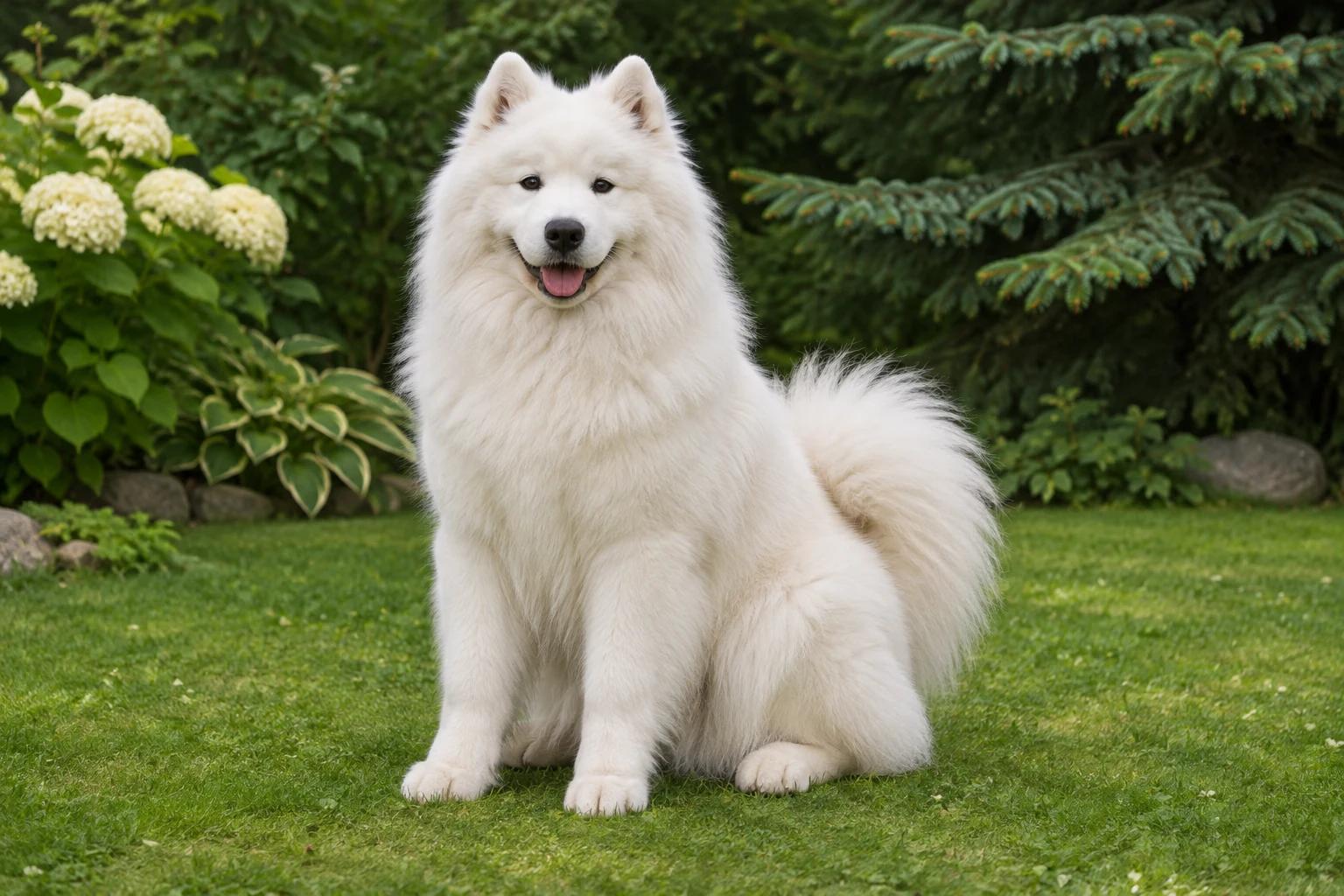
Samoyed exercise needs are easier to understand when you separate four different jobs: ordinary outings, exploration, learning and physically demanding sport. One impressive weekend adventure cannot answer every question about the rest of the week. Equally, a useful activity does not have to look spectacular to be worth sharing.
Start with the dog in front of you rather than a photograph of a team working in snow. Consider what the activity actually asks the dog to do, what preparation it requires and how you will know when to stop. The aim is a worthwhile shared routine, not a competition to accumulate the longest distance.
Samoyed exercise needs during growth
The Samoyed Club's exercise guidance cautions against overexertion in growing puppies. It specifically highlights repeated slipping on smooth floors and repeated jumping on and off objects. A puppy's enthusiasm is not a reliable assessment of what its developing body should undertake.
Choose secure footing and ground-level games: invite movement between nearby positions rather than repeated leaps from furniture. If a toy sends the puppy skidding, change the surface or activity instead of increasing speed.
Ask your veterinarian which activities fit this puppy’s development and health. Enthusiasm does not establish readiness for adult sport. Seek individual advice when an older dog resumes activity after illness or injury, too.
Give the Samoyed daily walk a practical purpose
The Samoyed Club's packing article stresses lead control, consideration for other trail users and checking whether dogs are permitted. Its useful starting point is that hiking skills come before ambitious expeditions. Carrying a pack is optional, not a requirement for a worthwhile walk.
Begin with an outing on which you can practise passing and pausing without rushing. At a narrow section, wait where there is room rather than pushing into the bottleneck. Keep the dog close enough to prevent its lead crossing another person's path. A pleasant trail visit includes the experience of everyone sharing that space.
For a longer route, check the actual access rules and available exits before setting off. Carry the dog's water and essentials yourself while you learn what the outing involves. Any plan for the dog to carry equipment should be discussed with your veterinarian and an experienced instructor; an online load percentage is not an individual prescription.
Samoyed activity level includes learning
The club's obedience and agility discussion describes the importance of variety, rewards and foundation skills. Repeating an already familiar action endlessly can lose the dog's interest. Beginner agility need not begin with jumping: the club gives passing between jump uprights without a bar as one example.
With suitable instruction, practise a simple passage between two stable markers on level ground. Guide the dog through, reward the completed movement and reset calmly. Keep the opening generous. This is a directional exercise, not an invitation to jump household objects or race through a narrow gap.
Let an instructor assess readiness before adding actual obstacles. Your own position and timing are part of the task, so practise moving clearly rather than blaming the dog for guessing. A session can end after a few successful attempts. Competition is optional; learning how to communicate a direction is useful even if you never enter a ring.
Add searching rather than only speed
ASPCA's enrichment guide includes a simple find-it game: toss a treat nearby, invite the dog to find it and praise discovery. Once the dog understands, introduce straightforward hiding places. The guide also emphasizes active supervision of homemade activities.
For a first attempt, choose a clean, uncluttered patch where the food is easy to locate. Place it close rather than sending the dog across the room. After a successful find, let the dog see where the next piece lands. Gradually make the search less obvious, not physically inaccessible. There is no need to hide food under heavy furniture.
Another option is a muffin tin with food in its recesses and suitable toys covering some openings. Begin with uncovered recesses, then cover one. Stay beside the dog and stop if it tries to swallow any material. The puzzle is an activity you share, not something to leave unattended while you go out.
How much exercise does a Samoyed need?
A useful answer describes a programme, not just a number. Write down the types of activity you can actually offer: a local route, a search game or an instructed lesson. Then ask your veterinary team which physical demands fit your dog.
Keep the categories separate when discussing the routine. “We were out for an hour” could mean walking continuously, waiting beside a café or travelling in the car. Explain what the dog was doing, not merely how long you were away from home. That makes advice about the routine more precise.
You do not need to make every outing educational. There is room for an ordinary walk without a trick sequence, and for a quiet afternoon without a new challenge. What matters is whether the arrangement is appropriate and sustainable, not whether every day produces a photograph worth sharing.
Use the Samoyed profile and dog match quiz to examine the wider ownership fit. The summer-coat article covers a separate care decision; changing a haircut is not the subject of an exercise plan.
FAQ
Must my Samoyed carry a backpack on walks?
No. Carrying equipment is optional and needs individual assessment. Ordinary walking does not become less worthwhile because the person carries the supplies.
Can I leave homemade puzzles out while I am away?
No. These activities need active supervision, particularly if the dog may chew or swallow the materials. Put them away after the shared activity.
What should I describe when asking about the routine?
Explain the actual activities, surfaces and physical demands, along with your dog's age and circumstances. Total time away from home is not a complete description of exercise.
Sources behind this article
- Samoyed Club of America: Exercise ↗
- Samoyed Club of America: Obedience and agility ↗
- Samoyed Club of America: Packing ↗
- ASPCA: Canine DIY enrichment ↗
Article source checked: November 16, 2026. Source checked 2026-11-16
Keep reading

Afghan Hound Exercise Needs: Build a Workable Active Day
Read article →