Saarloos Wolfhond Grooming: Seasonal Coat Care
Plan Saarloos Wolfhond grooming around seasonal coat changes, practical brushing, comfortable handling and suitable professional support.
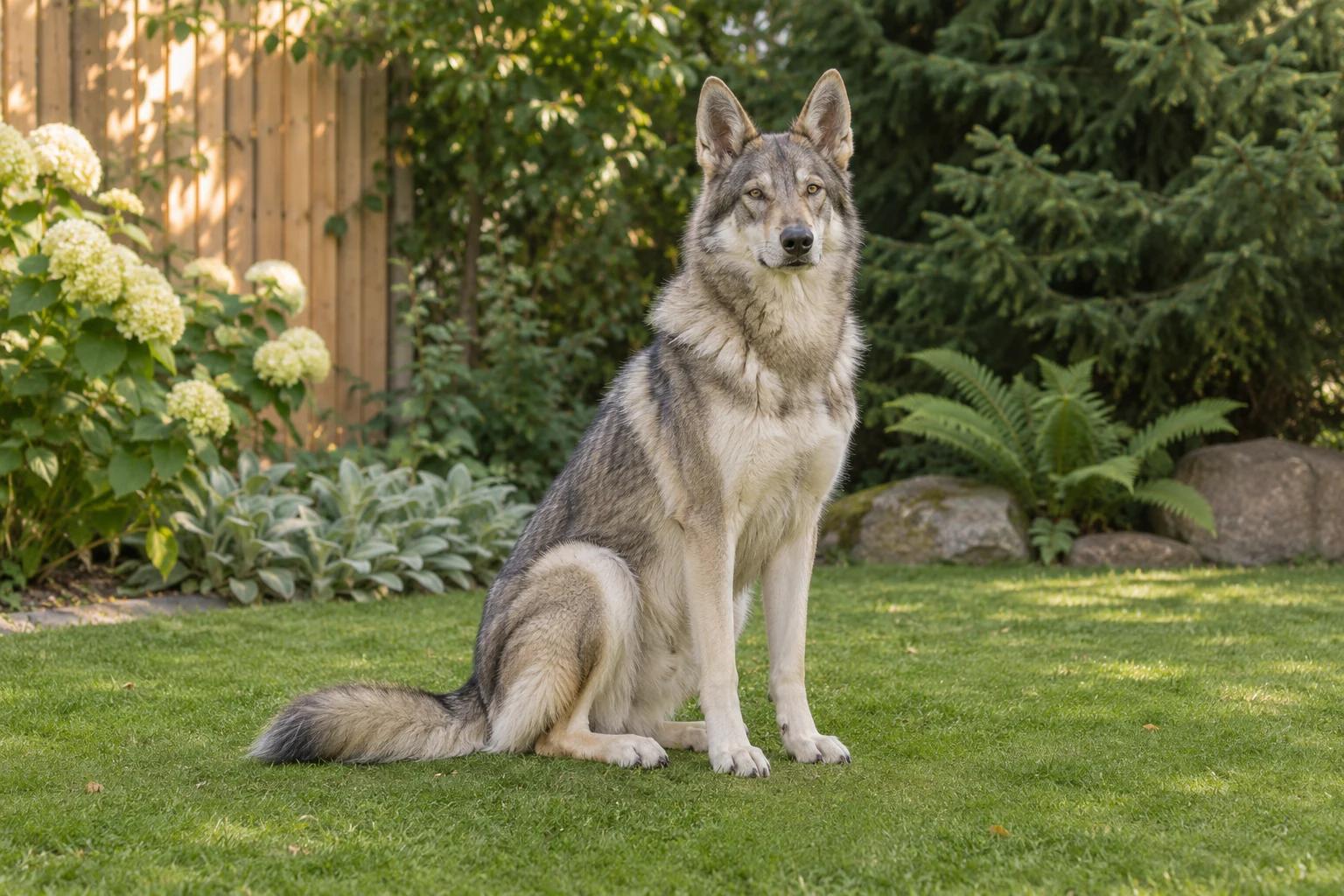
Saarloos Wolfhond grooming is less about producing a styled finish than managing the coat you actually have that week. A tidy-looking outline does not tell you how much loose hair is underneath, and a large pile of removed hair does not prove the session was useful. Look for comfortable, effective care rather than a dramatic before-and-after photograph.
Build your routine around a place where you can reach the dog without pulling it into awkward positions. A floor-level session may be more practical than trying to copy a grooming-table demonstration at home. Make sure there is enough room for both of you to change position safely.
Saarloos Wolfhond grooming changes with the season
The FCI standard describes undercoat dominating the winter coat and guard hair dominating the summer coat, with a fuller winter neck ruff. Temperature can affect that seasonal picture. Do not assume that a fixed calendar date tells you exactly how the coat should feel.
Separate appearance from the maintenance job. If the outline looks different from a photograph taken several months earlier, examine the actual coat rather than trying to brush it back into the previous silhouette. Grooming is not a way to make every season look alike.
Pay attention to the areas you can see easily and those you normally miss. It is tempting to keep working along the back because that is accessible while the dog stands beside you. Arrange the session so you can assess the rest without twisting the dog or leaning heavily across it.
Saarloos Wolfhond coat care: learn the tool, not just its name
The Royal Kennel Club's grooming guidance recommends matching tools and frequency to the coat and learning maintenance from a groomer. Introduce handling gently in small amounts. Bathing should meet an actual need, using suitable dog shampoo, rather than following an arbitrary schedule.
Ask for a demonstration on your dog's coat. Watch the angle of the tool and how much hair the person works through at once. Try the same small section under supervision. Being able to repeat the technique matters more than leaving with a bag of equipment.
Do not buy a harsher implement merely because the first tool meets resistance. Find out whether the problem is technique, an unsuitable tool or coat that needs professional attention. A product labelled for shedding is not automatically appropriate for every part of this dog.
Give the session a workable shape
Set out only what you need. A comb buried beneath bottles and towels is difficult to retrieve while you are trying to remain attentive to the dog. Keep the immediate space clear, with a place for used cloths and removed hair that does not require you to walk away repeatedly.
Stop before the session becomes uncomfortable; completing the whole dog is not an obligation.
Think about your own posture as well. If you are kneeling uncomfortably, you may rush or hold the tool less carefully. Move your seat or change your working position instead of expecting the dog to compensate for an inconvenient setup.
Saarloos Wolfhond shedding is a household job too
Keep coat care and cleaning separate. Brushing the dog is not a substitute for washing bedding, and collecting hair from the sofa does not tell you whether grooming was comfortable or complete. Each task has a different purpose.
Choose washable covers for the places the dog actually uses, rather than placing one attractive blanket where you wish it would rest. Keep a spare available so the resting area remains usable while the other is being cleaned. Follow the fabric's care instructions; heat or strong products are not automatically better.
After a grooming session, clear the work area before putting the tools away. Loose hair can gather around chair legs and beneath the edge of a mat. Cleaning then is easier than carrying it into the next room on your clothing, and it leaves the space ready for ordinary use.
Plan professional help around the individual
The Canine and Feline Sector Group's professional guidance prioritizes individual health, behaviour and tolerance. It calls for consultation about coat condition, unfamiliar environments and equipment, with procedures adapted to the animal. Fear, discomfort or an unmanageable session should prompt a different plan, not pressure to finish regardless.
Before booking, describe familiar handling, previous drying experience and veterinary concerns. Ask how the groomer would approach an initial assessment.
Separate cosmetic requests from necessary care. If you show a photograph, explain which aspect interests you and ask whether it is suitable for this coat. A professional should be able to discuss the proposed work rather than promising to reproduce an image without seeing the dog.
How to groom a Saarloos Wolfhond between appointments
Use the demonstrated routine. Ask for help if a tool catches or the technique no longer works smoothly.
Keep products clearly labelled and use them only as directed. Do not transfer a household cleaner into an unmarked grooming bottle. Store everything where a dog cannot investigate it between sessions, especially after you have finished and your attention has moved elsewhere.
The Saarloos Wolfhond profile covers the broader breed picture. The first-meeting reserve article addresses unfamiliar greetings, while the dog match quiz can help you consider whether the overall commitment fits your home.
FAQ
Does more removed hair mean better grooming?
No. The amount collected is not a measure of comfort or technique. Aim to perform the care the coat needs, not to keep brushing until you have produced an impressive pile.
Should I buy every tool marketed for shedding dogs?
No. Learn to use the recommended tools before buying more.
Can a photograph determine the right grooming finish?
No. A photograph is a starting point for discussion, not a care plan. Ask the professional to assess the actual coat and explain which requests are suitable.
Sources behind this article
- FCI: Saarloos Wolfhond standard ↗
- Royal Kennel Club: Dog grooming ↗
- Canine and Feline Sector Group: Grooming guidance ↗
Article source checked: November 16, 2026. Source checked 2026-11-16
Keep reading

Affenpinscher Grooming: A Practical Coat-Care Routine
Read article →