Saarloos Wolfhond Exercise Needs: A Balanced Routine
Meet Saarloos Wolfhond exercise needs with suitable walks, exploration and gradual activity, without relying on a universal daily time target.
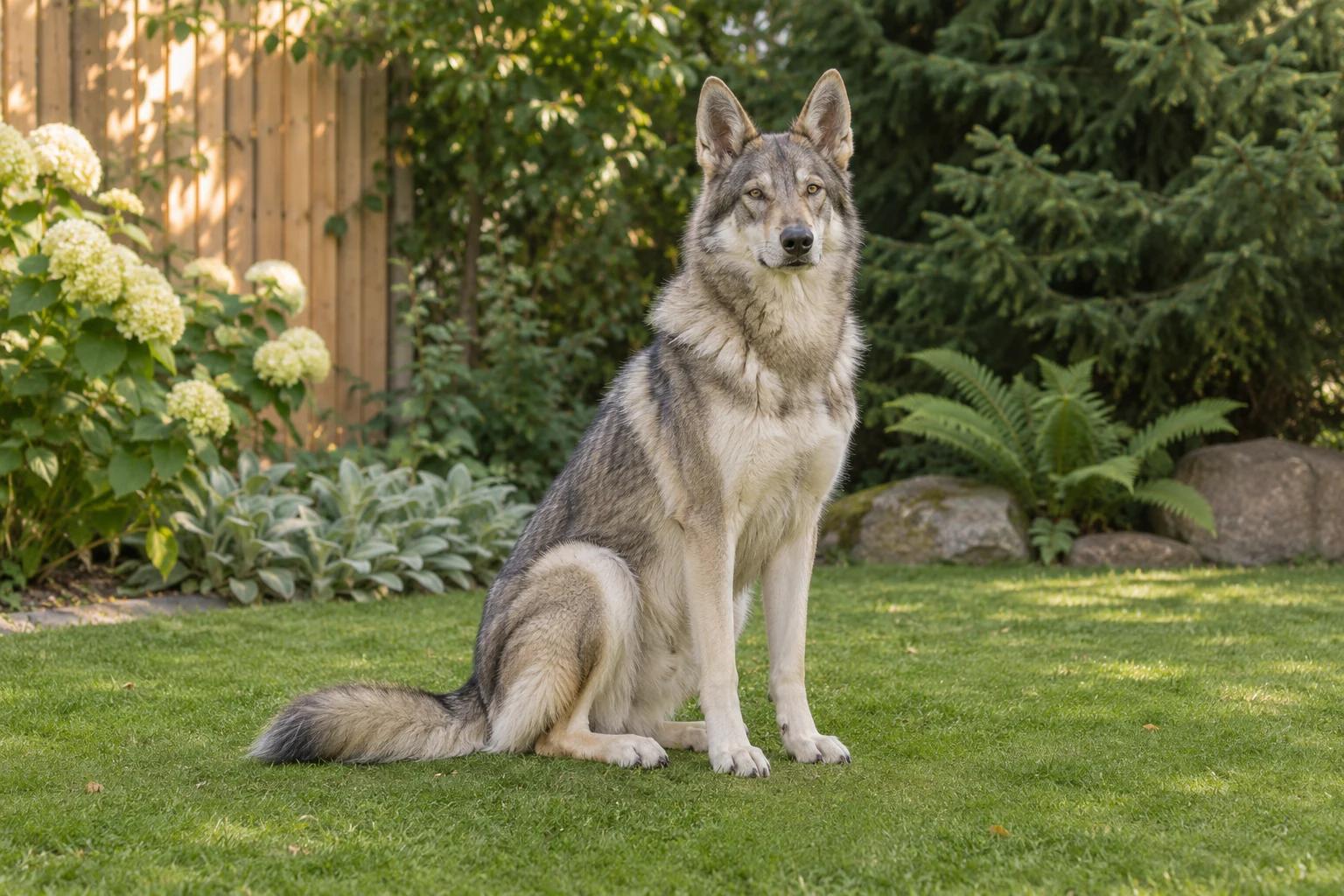
Saarloos Wolfhond exercise needs belong within a workable daily route. Before selecting a destination, examine the journey and the way home.
Think about the whole outing: leaving home, travelling if necessary, moving through the location and returning. A beautiful trail may be a poor everyday choice if reaching it requires a difficult journey or a crowded entrance. Good planning begins before you count any walking minutes.
Saarloos Wolfhond exercise needs and physical style
The FCI standard describes a strong, long-limbed dog with efficient movement, particularly at the trot. That description helps explain the breed's outline; it is not a prescription for prolonged running or a guarantee that an individual can tolerate your preferred distance.
Watch the route from the dog's level. Narrow barriers, awkward steps and tight turns may interrupt what looked like an easy path on a map. Choose somewhere you can turn around without negotiating a difficult obstacle again simply to reach the exit. Consider a narrow kissing gate: being able to pass your own shoulders through it says little about how easily a long-bodied dog can follow while attached to a lead. If you cannot see the exit, inspect an alternative route before committing. A path description mentioning stiles or livestock also deserves closer checking rather than assuming every marked footpath suits your companion.
A circular walk is not always the best starting choice. An out-and-back route lets you reverse direction before committing to the full distance. It also makes an unfamiliar location easier to assess without discovering that the only return path is substantially harder.
How much exercise does a Saarloos Wolfhond need?
VCA's veterinary exercise guidance makes age, health and body condition central to planning. Build activity gradually and consistently rather than concentrating it into occasional strenuous outings. Ask your veterinarian about appropriate limits, especially for a growing puppy, an older dog or one with a medical concern.
Build from comfortable activity, changing distance, slope or pace separately rather than all at once.
Ask for an age-appropriate plan rather than copying an adult routine for a puppy.
Build a Saarloos Wolfhond daily walk you can repeat
Choose a dependable local option as well as an occasional destination. The local route should still work on a normal working day, when you do not have time for a long drive. Consider where you can pause, where the path narrows and how you would get home if the usual way became unavailable.
Keep the walking equipment together so departure does not turn into a search through several rooms. Check its condition before leaving rather than discovering a damaged fastening at the trailhead. Carry what the individual outing requires and avoid overloading yourself with items you cannot easily manage while holding the lead.
Your personal hiking ambitions and the dog’s suitable outing may require separate trips.
Leave room for exploration, not just forward progress
AKC's sniff-walk guidance distinguishes scent-focused exploration from a destination-driven march. A safe, quiet location gives the dog opportunities to investigate without being hurried from one point to the next. Distance alone does not describe the value of that outing.
For one section of a familiar walk, stop treating every pause as lost time. Let the dog investigate a safe area while you remain attentive to the surroundings. Choose enough space that another person can pass without forcing you into a hurried tangle. Keep the dog safely connected where containment is needed.
A sniffing opportunity does not require visiting a new place every day. Familiar routes can still offer changing information. Avoid building a routine that depends on constant novelty, travel or expensive equipment when a suitable nearby location can serve the purpose.
Saarloos Wolfhond activity level is not a household competition
Different dogs need different plans; route-completion speed is not a useful ranking.
Before arranging a group walk, agree on where to meet and separate. Choose a junction with clear sightlines rather than gathering beside a narrow gate. That lets each handler manage arrival without the other teams blocking the route.
Keep some flexibility in the week. A path closure, disrupted day or unsuitable conditions should not leave you with only an ambitious expedition or nothing. Identify a simpler option in advance, while avoiding the assumption that an indoor game can always replace every part of an outdoor routine.
Notice when the plan needs to change
Stop at obvious difficulty and seek veterinary advice about unexpected changes in movement or recovery.
Review the practical arrangement as your circumstances change too. A new home, different work hours or a change in who walks the dog can alter what is realistic. Preserve the needs the routine was serving rather than trying to reproduce an old timetable exactly.
The Saarloos Wolfhond breed profile provides wider context, and the dog match quiz can help prospective owners consider lifestyle fit. Read the first-meeting reserve guide for greeting considerations rather than using an exercise outing as a test of sociability.
FAQ
Is there one correct daily walking time for every Saarloos Wolfhond?
No. Ask your veterinarian for an individual plan.
Must every walk reach a new destination?
No. A dependable local route is valuable, especially on ordinary working days. You should also know where you can turn back or use a simpler alternative if the planned route is unavailable.
Should my dog join every hike I want to do?
No. Choose the trip for the individual, not your own athletic target.
Sources behind this article
Article source checked: November 16, 2026. Source checked 2026-11-16
Keep reading

Afghan Hound Exercise Needs: Build a Workable Active Day
Read article →