Russell Terrier Grooming: Care for the Coat You Have
Plan Russell Terrier grooming for smooth, broken or rough coats, with practical handling, professional coat advice and comfortable nail-care preparation.
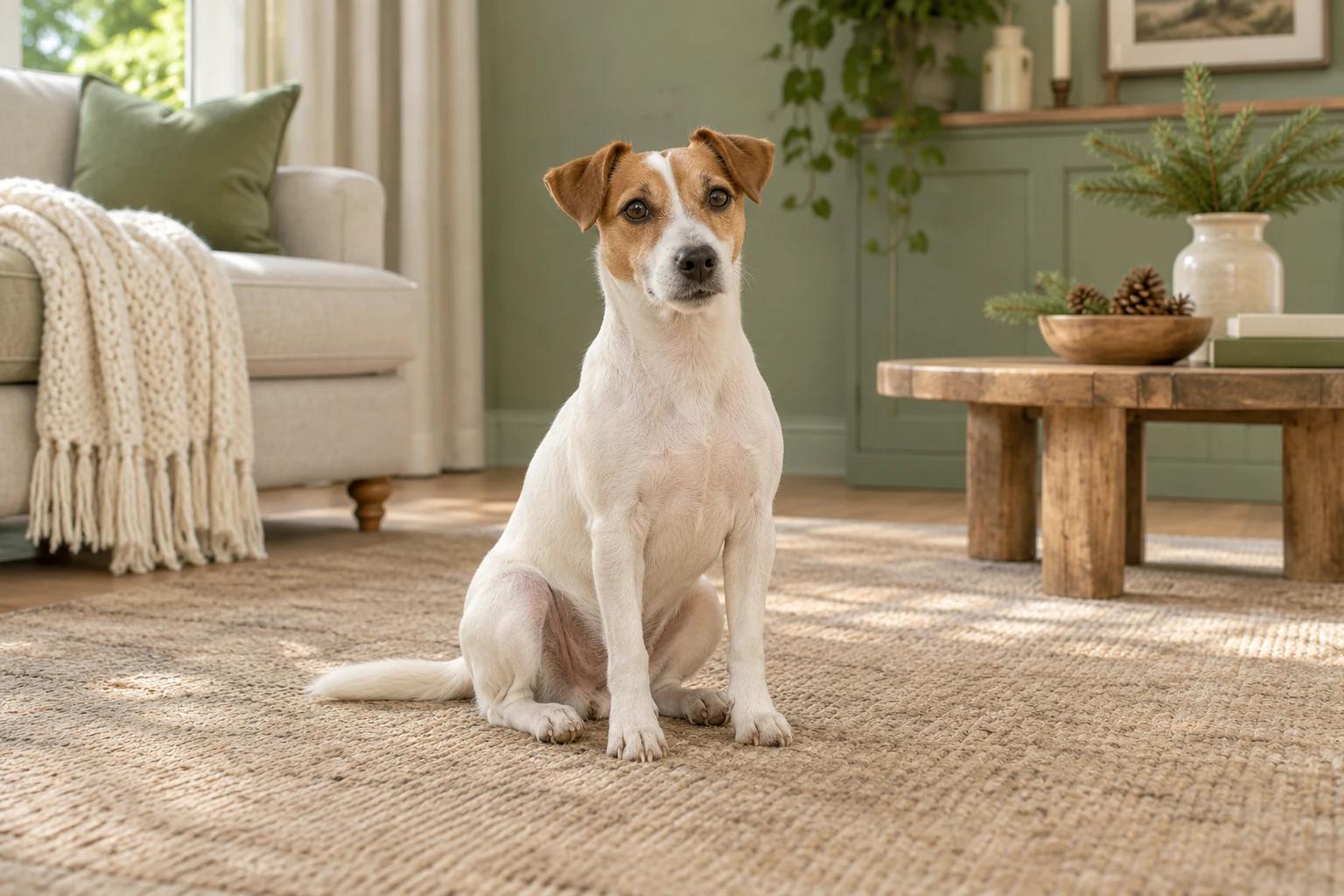
Russell Terrier grooming starts with the coat: smooth, broken or rough. Choose care for your dog, not a photograph.
For an active small terrier, grooming also involves access. You need to see the underside and feet without turning the session into a struggle or assuming that a dog is easy to hold simply because it is small.
Russell Terrier grooming: Recognize the coat
The Russell Terrier standard recognizes smooth, broken and rough coats, all with undercoat and harsh outer hair. Broken coats have intermediate length and may have facial furnishings; the intended outline is natural.
Check where longer hair collects debris after meals or walks. Describe those areas when requesting coat advice.
Keep the breed-name question separate. The existing Russell and Parson Russell guide explains that distinction; this article is about maintaining the coat of the Russell Terrier you already know.
Make the working position comfortable
A small dog is often lifted onto a convenient surface without much thought about whether that surface is suitable. Before choosing a table or counter, consider the edge, footing and the consequences of a sudden movement. A safe floor-level setup may be more practical than an improvised raised station.
Arrange lighting so you can see the area you are checking. Pale hair can make dirt obvious while still obscuring the skin underneath. Avoid working by touch alone around an area you cannot inspect clearly.
Put equipment where it will not roll into the dog's feet. If you need to change sides, move yourself rather than expecting the terrier to remain in an awkward position for your convenience. The setup should make small, accurate movements easier for both of you.
Separate looking from doing
A coat check does not commit you to fixing everything immediately. You can notice a caught piece of plant material, a change in texture or an uncomfortable area and decide that it needs professional attention. That is a useful result, not an unfinished job.
Likewise, a session intended to examine one area does not need to expand into a bath, nail trim and facial tidy. Keep the original purpose clear so the dog is not faced with an escalating series of tasks.
Russell Terrier coat care and hand stripping
AKC's hand-stripping guide explains that coat type determines whether this specialist technique is appropriate. It removes selected loose hairs and requires skill; inexperienced stripping can hurt. Ask a groomer experienced with wire coats to assess your dog and explain maintenance between appointments, rather than trying to learn the technique by pulling at whatever hair seems long.
Ask which proposed work is essential maintenance and which is a cosmetic choice.
Ask what “strip,” “card” and “clip” mean in the proposed appointment; the methods are not interchangeable.
Russell Terrier shedding is not a styling failure
Loose hair is part of living with this breed. Do not assume that a rough-looking coat cannot shed or that a smooth one should leave nothing on clothing. A neat outline and the absence of hair in the house are different outcomes.
Choose washable resting covers and a convenient place to collect hair during care. Keep furniture cleaning separate from deciding whether the dog needs more work. A few hairs appearing after you have cleaned a chair do not prove that grooming was inadequate.
Compare the coat with its own recent condition. Ask your veterinarian about abrupt changes, bare areas or skin discomfort.
Feet: Prepare for care before trimming
VCA's nail-care guidance separates comfort with touch from comfort with equipment. Begin with accepted contact higher on the limb, pair small steps with a reward and progress toward the paw only while the dog remains comfortable. Moving away or becoming tense means pause. Existing fear calls for individualized professional help, not stronger restraint or a surprise trim while distracted.
A practical preparation session can end before any nail is cut. For example, practice the comfortable hand movement you have been shown, then put the equipment away. This lets you learn whether the dog accepts the starting step without adding the pressure of finishing every foot.
If you are uncertain about anatomy or technique, arrange a demonstration from your veterinary team or a skilled groomer. Being able to hold a small paw is not the same as knowing where to trim safely.
How to groom a Russell Terrier between appointments
Ask the professional working with your dog to demonstrate the specific brush or comb movement they want you to maintain. Then try it while they can watch. Seeing a technique once and reproducing it accurately are different skills, especially around furnished areas.
Introduce one new tool at a time so you can identify what helped or caused discomfort.
The Russell Terrier profile places grooming alongside activity and companionship. If you are considering the breed, the dog match quiz can help you think beyond appearance and include this hands-on care in your choice.
FAQ
Should every Russell Terrier receive the same haircut?
No. Start with the actual coat and the purpose of the proposed work. A uniform style is not a useful substitute for an individual assessment.
Is a quick inspection worthwhile without a full groom?
Yes. Noticing what has changed or what needs a closer look can be useful on its own. Every check does not need to become a complete grooming appointment.
Does being small make grooming automatically easy?
No. Access, footing, familiarity and the dog's comfort still matter. Small size does not remove the need for thoughtful handling or appropriate professional help.
Sources behind this article
Article source checked: November 16, 2026. Source checked 2026-11-16
Keep reading

Affenpinscher Grooming: A Practical Coat-Care Routine
Read article →