Redbone Coonhound Exercise Requirements: A Useful Plan
Plan Redbone Coonhound exercise requirements around walks, scent work, manageable outings and rest rather than a fixed mileage target.
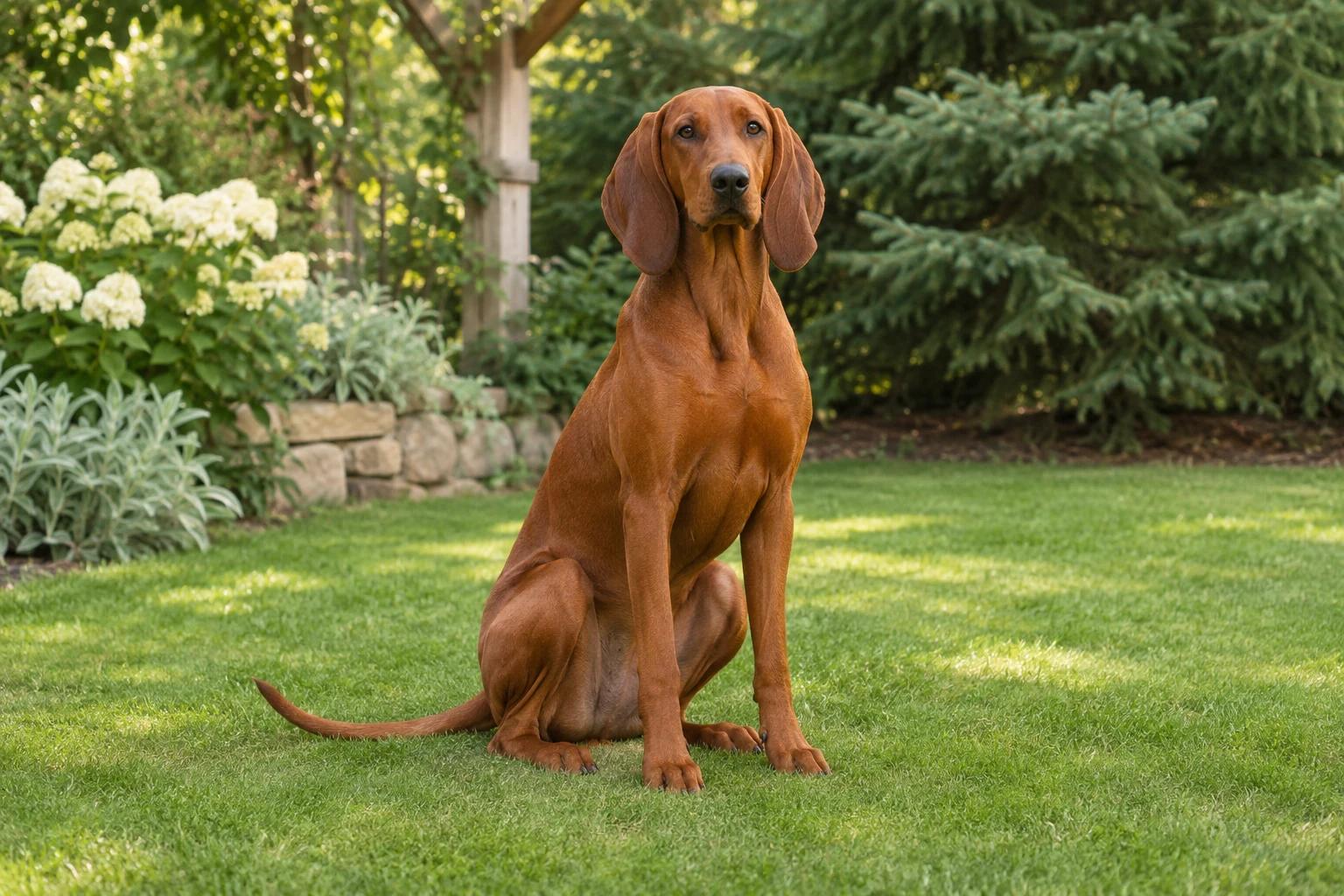
Redbone Coonhound exercise requirements make more sense when you plan several kinds of activity rather than chase a mileage total. A hound can cover ground, investigate scent and work with you, but those are not identical experiences. The useful goal is a repeatable week that contains opportunities for all three without making every outing harder than the last.
Start with the Redbone Coonhound profile, then consider your dog's current experience and physical suitability. A recently adopted adult and a conditioned walking companion should not be assigned the same starting route merely because they share a breed name.
Redbone Coonhound exercise requirements: alternate effort and rest
AKC describes a coonhound rhythm that includes vigorous activity, such as swimming, followed by substantial rest. That is different from expecting continuous entertainment all day. It also means that a dog sleeping at home should not be mistaken for one with no interest in active outings. AKC Redbone profile.
When asking how much exercise does a Redbone Coonhound need, describe the activity first. An unhurried exploratory walk and a continuous run are not interchangeable. Ask your veterinarian about suitable exertion, particularly for a puppy, an older dog or one whose health or comfort has changed.
Build a walking session with two different jobs
The breed standard describes a working hound used across swamplands and mountains. That background explains the relevance of outdoor movement, but it does not establish the fitness of an individual pet or make difficult terrain an appropriate starting point. AKC Redbone standard.
For a Redbone Coonhound daily walk, try separating travel from exploration. During the travel portion, you are moving together through a gateway or along a shared pavement. In the exploration portion, you have chosen a suitable area where stopping is part of the outing rather than an inconvenience.
For example, walk together to a broad grassy edge, allow a controlled investigation there, then use a familiar transition to move onward. This is an example of organizing a walk, not a claim that every Redbone needs the same pattern. It is especially useful when your current outings alternate between pulling forward and abruptly stopping without any clear agreement.
Keep an easy return available while learning what suits your dog. A hill that looks manageable from the car still has to be descended. Do not use the breed's working reputation to dismiss hesitation, altered movement or a sudden change in enthusiasm; discuss concerns with your veterinarian.
Try a search task rather than more distance
AKC Scent Work gives a dog a defined odor to locate and a way to communicate the find. Searches can involve containers, interiors or outdoor areas. The handler's task is to read the dog's work, not continually direct every movement. AKC Scent Work introduction.
For a Redbone owner, this offers a different partnership from pavement walking: the dog supplies information you do not already possess. An introductory class can help you learn what a search looks like before you add difficulty. Ask about beginner instruction and how dogs wait between turns.
Keep formal odor materials within the instructor's setup rather than improvising with household fragrances. You can enjoy learning without making a trial entry your immediate goal. The useful first question is whether the activity is enjoyable and understandable for both of you, not how quickly you can collect a title.
Swimming is an option, not an assumption
Before water activities, VCA advises checking suitability with your veterinarian, using a well-fitted dog life jacket and supervising continuously. Do not assume a dog knows how to swim or force it into the water. The guidance also warns that some dogs continue until exhausted. VCA water-sport guidance.
For a Redbone whose owner wants to explore swimming, choose an introduction rather than a test of courage. A supervised facility may offer a clearer starting point than an unfamiliar open-water destination. If you cannot keep the activity controlled and appropriate for your dog, choose a land-based outing instead.
Do not combine first-time swimming with an ambitious hike simply because you have travelled somewhere attractive. That would make it harder to judge the new activity on its own. Enjoyment is not a reason to dispense with limits or professional guidance.
A sample week without a compulsory quota
Here is a walking example to adapt, not a prescribed exercise dose. On a busy weekday, choose a familiar loop so you know where the difficult crossing and useful stopping places are. On a less hurried day, explore a different section of the same area rather than doubling the distance. On a weekend visit, start with the accessible portion and leave the remote extension for another occasion. That gives you variety without requiring every outing to become a test of endurance.
The point of the example is to vary the task, not to promise that a particular arrangement meets every Redbone's needs. Redbone Coonhound activity level must be assessed in the individual. Notice which sessions leave the dog comfortable and able to resume ordinary life, and which produce difficulty you need help understanding.
Do not use wild animals as an exercise target or treat an unfenced area as safe because it appears empty. Keep the dog appropriately controlled. If off-lead access is part of your plan, assess the actual enclosure and entrances before relying on them.
The Redbone history article explores a separate part of the breed's story. For overall suitability, the dog match quiz can help you weigh activity against the rest of the commitment.
FAQ
Should every walk cover the same distance?
No. Choose the outing for the individual and the conditions. A familiar loop is useful when you need predictability, but distance alone does not describe its demands.
How can I compare two exercise plans?
Compare the actual tasks, not only their duration: uninterrupted movement, exploratory stops and learning create different experiences. Your veterinarian can advise on physical suitability when you are uncertain.
What should I do if my Redbone's usual activity suddenly changes?
Contact your veterinarian about a marked change in comfort or willingness. Do not assume the dog needs a tougher routine or dismiss the change as a breed trait.
Sources behind this article
- AKC: Redbone Coonhound Standard ↗
- AKC: Getting Started in Scent Work ↗
- AKC: Redbone Coonhound Profile ↗
- VCA: Water Sports for Dogs ↗
Article source checked: November 16, 2026. Source checked 2026-11-16
Keep reading

Afghan Hound Exercise Needs: Build a Workable Active Day
Read article →