Pyrenean Shepherd vs Mudi: choosing an active partner
Compare Pyrenean Shepherd vs Mudi through learning, noise, visitors and daily activity, then ask practical questions about the individual dogs.
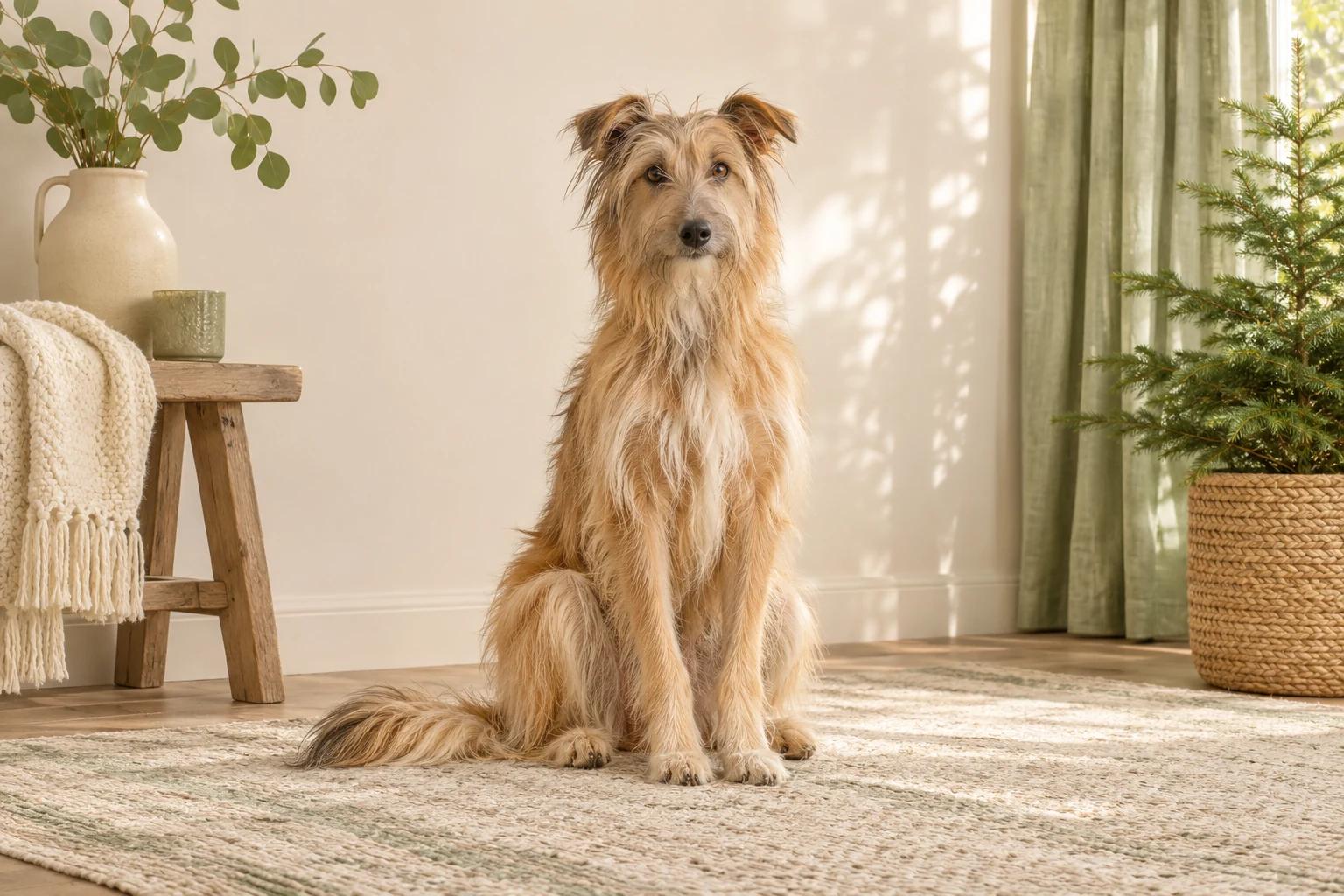
Pyrenean Shepherd vs Mudi is a comparison for people who want to participate in their dog's day, not simply fit a small dog into an empty corner. Both deserve a serious look at your time, teaching interests and surroundings. Instead of asking which breed is “more intelligent,” ask what you would enjoy doing together on an ordinary weekday, and how the dog would live during the hours between activities.
Pyrenean Shepherd vs Mudi: two working backgrounds
The AKC Pyrenean Shepherd standard describes a light, lively herder with considerable energy. The AKC Mudi standard describes a versatile Hungarian farm dog that is alert, agile and eager to work. These are useful starting points for understanding the commitment; neither description gives you a finished sports partner or a dog that automatically knows household rules.
A practical comparison begins with your preferred kind of involvement. Do you enjoy breaking a task into small steps? Would you look forward to a weekly class and practice between sessions? Are you interested in the teaching process even if competition never becomes part of it? Answer for yourself before letting a striking training video answer for you.
Compare the parts of the day nobody films
Make a list of what happens before work, during work and after dinner. Include outings and training, but also meetings, cooking and visitors. The relevant question is not whether you can arrange an exciting Saturday. It is whether the dog's place in the rest of the week is clear.
For a Mudi vs Pyrenean Shepherd shortlist, ask caregivers to describe yesterday rather than an ideal routine. What activities actually happened? Where was the dog while people were occupied? Who provided company and care? What changed when the weather made the usual plan inconvenient?
You might discover that the support arrangement matters more than the breed distinction. A nearby suitable class, an experienced backup carer and an accessible walking route can make an ambitious plan workable. A promise to drive somewhere interesting every evening may be less convincing if your commute already leaves you exhausted.
Ask about learning style, not an intelligence ranking
VCA's Pyrenean Shepherd profile emphasizes purposeful activity, owner attachment and consistent positive teaching. The Mudi standard describes a responsive, energetic worker. Use those descriptions to prepare questions about the actual dogs: what engages them, what distracts them, and how they respond when a task is new.
Watch an ordinary lesson if the caregiver offers one. Notice whether you understand the handler's timing and instructions. Ask them to explain the small steps behind a finished behaviour. This lets you judge whether the everyday process appeals to you, rather than merely admiring the final result.
Do not ask for a difficult demonstration just to compare the dogs. You are not auditioning performers. An explanation of how a simple skill was built, including the parts that required patience, can reveal more about the teaching commitment than a spectacular trick.
Noise and visitors belong on the shortlist
The My Breed Atlas profiles flag frequent vocalization as a consideration for both breeds. If your apartment has a busy landing, or your garden borders a public path, discuss those settings directly. Ask about particular triggers and how the current caregiver organizes the environment. “Not too noisy” means different things in different homes.
Both official descriptions also give reasons to discuss responses to unfamiliar people. Arrange meetings without expecting immediate friendliness. Ask whether the dog can observe from a comfortable distance, whether introductions are normally brief and where it rests while guests stay.
Your own social routine matters here. A home with frequent informal visitors needs a different arrival plan from one with predictable appointments. If guests regularly leave gates open or arrive with unfamiliar dogs, address that household habit before deciding either breed will simply adapt to it.
Coat care is a task, not just a silhouette
The Mudi standard describes short facial hair with waves or light curls over the body. Pyrenean Shepherds have more than one coat presentation. Rather than choosing from a portrait, ask to see the tools, handling setup and time involved in maintaining the individual dog's coat.
This is also an opportunity to discuss routine cooperation. Where does brushing happen? Who does it? Does the dog need breaks? If you will use professional grooming help, check availability before assuming a nearby service understands your preferred routine.
Our existing Pyrenean Shepherd variety article covers appearance differences separately. Keep the ownership decision centred on the care you will actually provide rather than turning this comparison into a contest between facial styles.
Make the final choice from comparable evidence
When choosing a Pyrenean Shepherd or Mudi, use the same questions for both caregivers. Ask about a normal day, time apart, visitors, walking environments, training support and any situations that still need work. Take notes shortly after each visit so an exciting first impression does not erase practical details.
The most useful difference between Pyrenean Shepherd and Mudi for you may emerge from those individual answers. One dog may have experience with your kind of home, while another needs an arrangement you cannot offer. That is more informative than declaring a breed universally easier or more suitable for beginners.
Read the Pyrenean Shepherd profile and Mudi profile, then use the dog quiz to organize your priorities. Ask yourself which commitments you would willingly keep when the novelty has gone. If the answer depends on becoming a different person with more free time, reconsider the plan before bringing a dog home.
FAQ
Are the Pyrenean Shepherd and Mudi the same breed?
No. They are distinct breeds, with the Pyrenean Shepherd associated with French herding and the Mudi with Hungarian farm work. Their shared appeal to active owners does not make them interchangeable companions.
Which is easier to train?
Compare the individual dogs and your ability to provide consistent practice rather than relying on a breed ranking. Ask caregivers what motivates each dog, where learning becomes difficult and what support is available after placement.
Is either a quiet choice for an apartment?
Neither should be selected on an assumption of silence. Discuss the actual dog's vocal habits and your building's triggers, including shared entrances and neighbouring activity. A workable management plan matters more than floor area alone.
Should I choose based on a dog sport?
An interest in a sport can help shape your plans, but it should not be the only criterion. You will also share rest days, routine care and changes of schedule. Meet the dog and consider that complete relationship, not only possible performance.
Sources behind this article
- American Kennel Club: Pyrenean Shepherd standard ↗
- VCA Animal Hospitals: Pyrenean Shepherd ↗
- American Kennel Club: Mudi standard ↗
Article source checked: November 15, 2026. Source checked 2026-11-15
Keep reading

Affenpinscher vs Brussels Griffon: Everyday Differences
Read article →