Pumi temperament: life with an involved, lively dog
Understand Pumi temperament through daily involvement, learning, visitors, vocal behaviour and realistic questions about the individual dog.
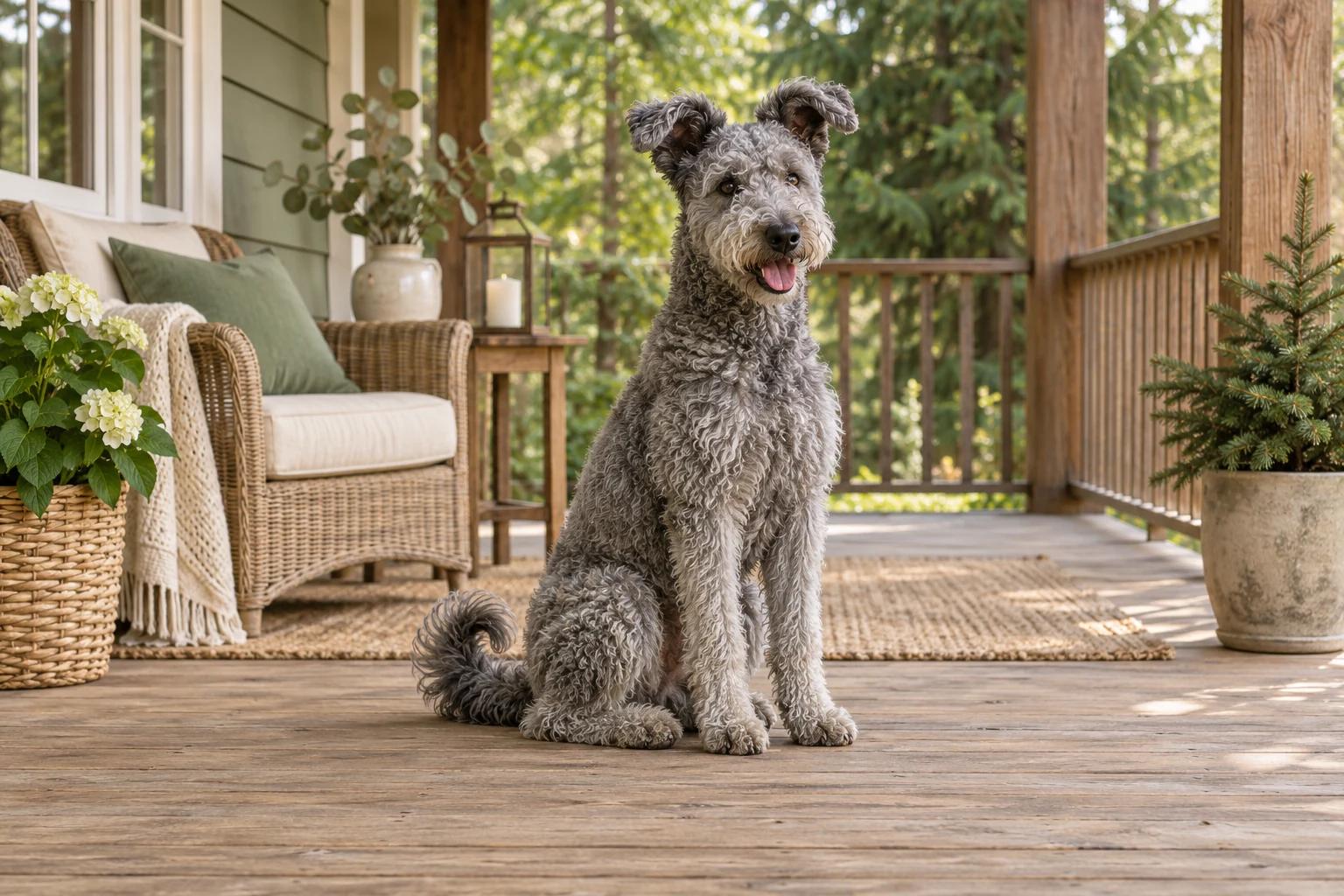
Pumi temperament is part of the appeal for people who want an involved companion rather than a dog that stays on the sidelines. The expressive face is memorable, but the daily commitment is more important: shared activity, teaching, thoughtful introductions and arrangements for the times you cannot participate. Explore those responsibilities before deciding that the breed's lively description matches the life you can offer.
Pumi temperament: involvement is the central question
The Hungarian Pumi Club of America describes an energetic, quick-learning dog with close family bonds. Its account places daily physical and mental activity at the centre of home life. That should prompt a practical question: where will the dog fit into your day beyond simply being in the house?
The Pumi profile likewise emphasises activity, learning and company. Look at your least flexible weekday. If that day leaves no room for the dog's needs, work out help or reconsider the timing before relying on more relaxed weekends to make up the difference.
You do not need to promise a glamorous lifestyle. You do need a dependable one, with clear responsibilities and enough involvement to make the arrangement realistic.
What does lively mean in your home?
A Pumi personality description can sound attractive without explaining the work it creates. Ask a current caregiver to describe the transitions in a normal day: preparing for an outing, returning home, receiving a delivery and sitting down to work.
Those moments are often more informative than watching a favourite game. Does the household have an established routine? What requires active management? Which tasks would a new owner need to learn first?
Think about your own preferences. Some people enjoy a dog closely involved in activities; others want more personal space during the day. Neither preference is wrong, but it should be acknowledged rather than discovered after the dog arrives.
If several people share the home, compare expectations now. A dog should not become one person's exciting hobby and another person's unexpected full-time responsibility.
Quick learning does not remove the teaching
The Pumi's reputation for responsiveness is a reason to plan learning, not skip it. Ask what the individual already understands, which cues are familiar and where those skills have been practised. A good response in one setting does not tell you everything about another.
Choose a qualified reward-based trainer who can help translate your priorities into practical lessons. Explain the home layout and the routines you want to improve. An orderly doorway or comfortable care arrangement may matter more than a long list of tricks.
Avoid treating every difficulty as a personality flaw. If the dog seems confused, describe the task and what changed. If you disagree with another caregiver about the rule, settle the human disagreement before expecting consistent behaviour.
Keep your ambitions proportionate to the current partnership. You can be interested in future sports while concentrating first on making everyday life understandable.
Familiar people and unfamiliar people are different
The Pumi club's breed introduction describes close attachment to owners alongside caution with strangers. Plan meetings with that distinction in mind, without deciding that every individual must respond identically.
Ask the caregiver how the dog prefers to meet someone new. Do not make immediate touching the test of a successful encounter. Observe what happens and discuss whether the situation is familiar or unusual for that dog.
For your own visitors, decide who handles the arrival and where the dog can be away from activity. Explain the plan in advance. Guests cannot follow rules they only hear after they have opened the door and approached the dog.
Supervise interactions with children and provide a quiet retreat. If you have other animals, discuss the specific introduction rather than assuming a family-oriented breed will accept every possible companion.
Take sound and space into account
The profile notes that barking can be a frequent part of the day. When considering Pumi characteristics, include the practical effect of voice in your housing arrangement. Shared walls, communal entrances and frequent corridor traffic deserve attention before commitment.
Ask about the situations in which the dog vocalises. What happens around visitors, activity or time apart? Does the current caregiver have information from settings similar to yours? A simple yes-or-no answer about barking is rarely enough.
Do not choose the breed on the hope that training will make all communication disappear. Equally, do not dismiss a concerning problem because someone calls it typical. Seek individual veterinary or behaviour advice when needed.
Noise planning includes the humans too. If your household frequently becomes loud or chaotic, explain that honestly to the person helping you choose a dog. The environment matters as well as the dog's tendencies.
Build a plan for necessary absences
Close company is appealing, but no household can participate constantly. Ask about the dog's experience during absences and changes of caregiver. Get concrete information rather than inferring independence from a confident greeting.
Map out work, appointments and travel. Identify who will provide care and what happens if your first choice is unavailable. A good plan includes ordinary delays, not just the timetable you expect on a perfect day.
Introduce helpers to the routine before an emergency. They need to understand familiar equipment, access, relevant veterinary instructions and how to report a concern. Keep the handover useful rather than overwhelming them with an unstructured collection of anecdotes.
If time apart causes difficulty, ask for professional assessment and a tailored plan. Do not assume that adding more physical activity automatically addresses every possible reason.
Meet the adult routine, not only the photograph
Pumi behavior is best discussed with examples. Request descriptions of the dog's normal activities, existing care skills and situations needing support. If possible, spend time observing an ordinary setting with the caregiver's agreement.
The article on Pumi coat photographs across life stages answers an appearance question. Keep that separate from temperament: a preferred colour or expression does not establish the everyday relationship you will have.
Use the dog match quiz to identify which commitments appeal to you and which would be difficult. Bring those answers to your conversation with the caregiver. The aim is not to find a faultless description, but to understand the dog well enough to make a considered decision.
Before committing, clarify who can support you after the move and what information remains unavailable. Uncertainty should lead to preparation, not to filling the gaps with the most optimistic interpretation of a breed profile.
FAQ
Does an energetic Pumi need constant entertainment?
No household can provide constant activity. Plan appropriate involvement, learning, care and quiet time across the day, and seek individual advice if you cannot establish a workable balance.
Will a Pumi greet every stranger enthusiastically?
Do not assume so. Ask about the individual's experience and preferred introduction approach. Give meetings time and space rather than treating immediate physical contact as the goal.
What should I ask about a Pumi before adoption or purchase?
Ask about its normal day, familiar skills, handling, visitors and time apart. Request specific examples and identify which routines you would need help maintaining in your own home.
Sources behind this article
- Hungarian Pumi Club of America: Living with a Pumi ↗
- Hungarian Pumi Club of America: An Introduction to the Pumi ↗
Article source checked: November 15, 2026. Source checked 2026-11-15
Keep reading

Airedale Terrier Temperament: What Everyday Life Can Feel Like
Read article →