Pudelpointer vs Wirehaired Pointing Griffon: daily life
Compare Pudelpointer vs Wirehaired Pointing Griffon through activity, learning, coat care and the evidence that helps you choose an individual dog.
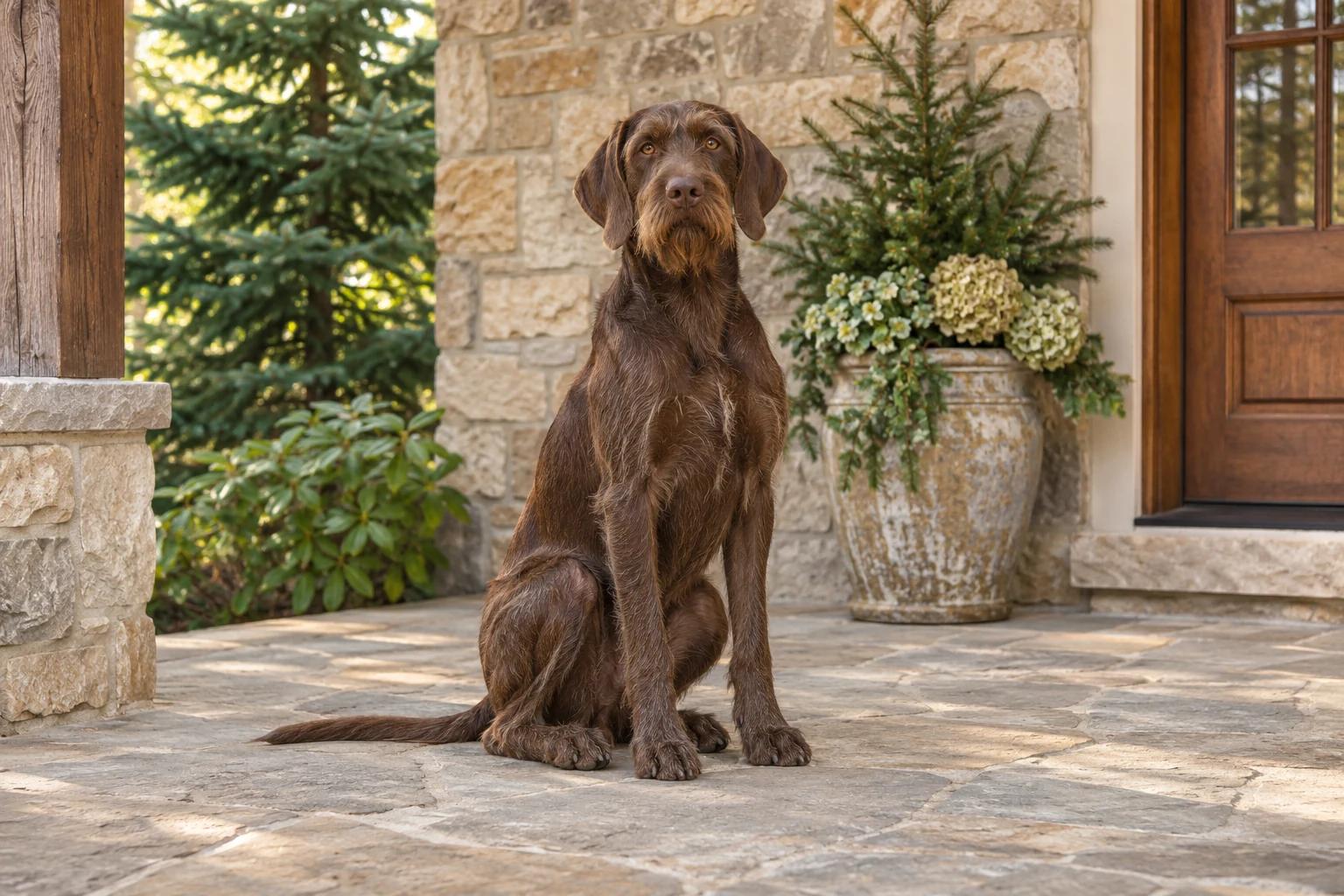
Pudelpointer vs Wirehaired Pointing Griffon can look like a choice between two appealing bearded companions. The more important comparison is between two possible daily routines. Both deserve an owner interested in participation, not just a rugged appearance. Before choosing, consider where you will go together, what you want to learn and how the dog will spend the hours between outings. Similar-looking faces do not make every household requirement interchangeable.
Pudelpointer vs Wirehaired Pointing Griffon: shared purpose
The FCI Pudelpointer standard describes a versatile working gundog and a calm temperament alongside pronounced hunting interest. The AKC Griffon standard describes field pointing, water retrieving and a willing, outgoing learner. These working descriptions establish interests to investigate, not finished skills you receive with a puppy.
Start with the Pudelpointer profile and Wirehaired Pointing Griffon profile. Both point toward activity and mental engagement. If your ideal dog needs little shared time, neither profile should be interpreted as a shortcut to that arrangement.
The difference between Pudelpointer and Wirehaired Pointing Griffon ownership will often depend on the particular dogs available. Compare their experience, family background and current routines. A general breed preference is a starting point, but it should not overrule clear information about the individual in front of you.
Compare your plans with the breeder's plans
Tell a breeder or rescue what you actually intend to do. If you hunt, describe your experience and the support you have for training. If you do not, describe the activities and structured learning you can consistently offer. Avoid presenting an aspirational schedule as an established lifestyle.
The Canadian Kennel Club's Pudelpointer profile emphasises outdoor exercise and an interest in work. Ask what that means for the family or adult dog under discussion. A breeder's placement priorities may also affect whether your plans are a suitable match.
For a Griffon, ask similarly concrete questions about the dog's experience and interests. Do not assume a friendly reputation means it needs less engagement. Ask what the dog enjoys, what has been taught and what its caregiver would want the next home to continue.
A useful conversation can end with a different recommendation. Someone who explains why a particular dog does not fit your plans is helping you make a better decision. Availability alone should not determine which breed you choose.
Make weekday activity the deciding test
Write down a normal weekday from waking to bedtime. Add realistic opportunities for outings, learning and rest. Include travel to suitable locations and the time needed to clean up afterwards. The total commitment extends beyond the visible activity itself.
In a Wirehaired Pointing Griffon vs Pudelpointer comparison, avoid deciding by whichever dog can supposedly run farther. You need an activity pattern you can sustain, not a maximum-performance claim. Ask your veterinarian about appropriate physical demands for the individual.
If you expect a dog walker to help, investigate the service before committing. Discuss the dog's interests and current skills. A busy group outing is not automatically a substitute for thoughtful individual engagement.
Also plan the day when a preferred location closes or your working hours change. A quiet training activity at home may be useful within a broader routine, but it should not become an excuse to abandon the daily involvement that attracted you to these breeds.
Learning enthusiasm still needs clear instruction
Both breed references describe responsive learners. That is an invitation to teach, not a promise that the dog will understand your rules without practice. Agree on cues and routines before different household members create different expectations.
Ask how an adult dog responds to unfamiliar environments. A skill demonstrated in a familiar training field may need additional work in your neighbourhood. For a puppy, discuss how early learning will continue after the move rather than expecting a smooth transfer by default.
Find instruction suited to your intended activities. Household manners, recreational training and specialist field work have overlapping foundations but different practical demands. Choose someone who can explain how to progress without rushing the dog into situations beyond its preparation.
Measure success by useful outcomes. Can you prepare equipment without chaos, move through a doorway comfortably and finish an activity calmly? These small achievements often matter more to daily life than an impressive display shown once on a video.
Look past the beard when comparing care
The Griffon standard describes a wiry double coat with prominent facial furnishings. For either breed, ask to see the actual care routine and consult a groomer familiar with the coat in front of them. Similar appearance does not establish identical tools or maintenance.
Consider the activities you plan. Outdoor trips bring practical cleanup, and facial hair adds another area to inspect after a messy outing. Set aside suitable towels, washable coverings and a place where the dog can be checked without blocking household traffic.
Do not choose on an assumption that a rough-looking coat needs no attention. Ask what the caregiver does between appointments and which tasks require professional skill. Be honest about your willingness to learn rather than promising a routine you are unlikely to maintain.
Nor should coat appearance decide an allergy question. A photograph or breed label cannot establish suitability for a person with allergies. Discuss that concern with the appropriate healthcare professional and avoid treating low visible hair as a guarantee.
Think about the other residents
Discuss other animals explicitly. A gundog's interest in the outside world is relevant when your home includes small pets, but a breed label cannot settle the compatibility of an individual pairing. Ask about actual experience and practical separation arrangements.
Children and dogs require supervision and clear boundaries. An outgoing greeting does not establish that a dog will enjoy every kind of handling or play. Make sure the household can protect rest and prevent intrusive interactions.
Ask how each dog spends time apart from its usual people. Your work-from-home schedule may still include appointments and travel. Prepare for those exceptions instead of discovering that your entire care arrangement depends on constant presence.
If choosing a Pudelpointer or Wirehaired Pointing Griffon means changing your home substantially, cost and plan those changes first. The right match includes the environment and support you can provide, not just the activities you hope to share.
Bring the decision back to evidence
Use the separate article on Pudelpointer foundation breeds and pedigree for identity questions. This comparison is about life with a dog, so keep documentation, training history and household fit as distinct parts of the decision.
Ask the same questions of both candidates and record the answers. What is known, what is estimated and what still needs assessment? The dog match quiz can organise your priorities, but the final choice should rest on the individual and a sustainable plan.
FAQ
Is the calmer description a reason to skip regular activity?
No. Calm temperament and an active daily life are compatible. Compare the dog's actual routine with what you can offer, including outings, learning and quiet time, rather than treating one adjective as a complete care plan.
Will either breed arrive trained for my preferred activities?
No breed label supplies finished skills. Ask what the individual has learned, where it has practised and what instruction you will need next. Make plans appropriate to its experience rather than assuming instinct replaces teaching.
Should coat appearance decide between them?
Coat appearance can explain your interest, but it should not outweigh daily fit. Compare actual maintenance, handling comfort, activity and the support available before choosing the dog whose photograph you prefer.
Sources behind this article
- FCI: Pudelpointer standard 216 ↗
- Canadian Kennel Club: Pudelpointer ↗
- American Kennel Club: Wirehaired Pointing Griffon Standard ↗
Article source checked: November 15, 2026. Source checked 2026-11-15
Keep reading

Affenpinscher vs Brussels Griffon: Everyday Differences
Read article →