Portuguese Sheepdog shedding and everyday coat care
Understand Portuguese Sheepdog shedding and build a practical long-coat routine for brushing, outdoor debris, handling and household cleanup.
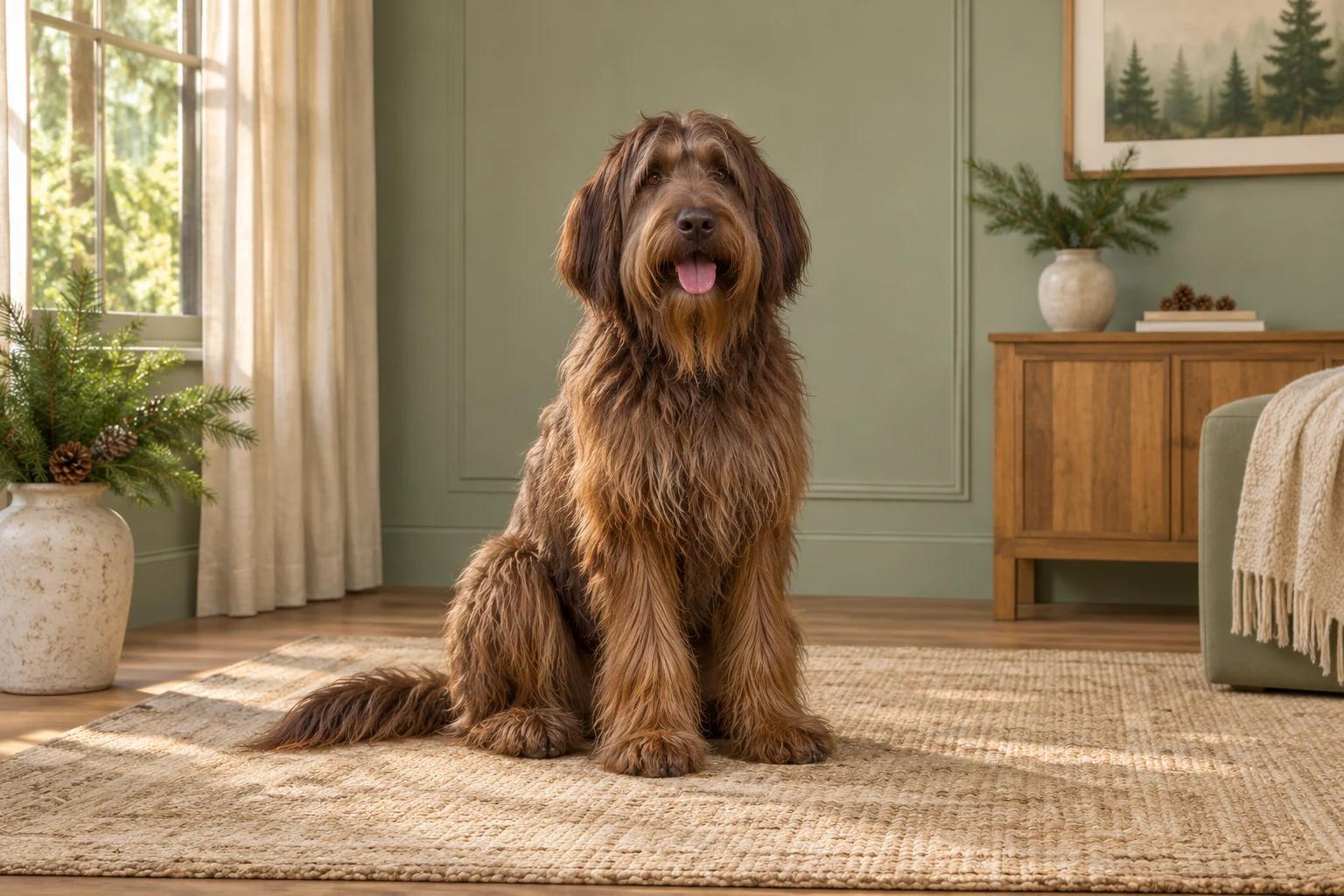
Portuguese Sheepdog shedding is only one part of living with the breed’s long coat. Light loose hair does not remove the need to check for tangles, outdoor debris and damp patches after an outing. The most useful approach is to keep coat maintenance separate from household cleaning: one looks after the dog, while the other deals with what reaches your floors and furniture. A simple system for both is easier to maintain than occasional marathon grooming sessions.
Portuguese Sheepdog shedding: what the coat tells you
The FCI standard describes long, straight or slightly wavy hair with a somewhat harsh, goat-like texture and no undercoat. This is a coat description, not a promise of zero shedding. The Portuguese Sheepdog profile describes loose hair as relatively light while still including regular brushing in everyday care.
If you are researching the breed, ask to see a normal grooming session rather than only a freshly prepared dog. Notice the equipment, the time spent checking less visible areas and the way the handler keeps the dog comfortable. That is the routine you will need to understand.
For a dog already at home, pay attention to its own pattern. A little hair on a blanket is different from a noticeable change accompanied by irritation. Keep observations factual and discuss concerning changes with your veterinarian rather than trying to classify them from a generic shedding scale.
Portuguese Sheepdog coat care begins with a workable setup
Choose a stable, nonslip place with enough light to see what you are doing. Arrange the tools within reach before inviting the dog over. If you spend the session getting up to find equipment, the routine becomes harder to follow and easier to abandon.
The Canadian Kennel Club recommends weekly brushing sessions for this coat. Ask a breed-experienced groomer to show you suitable tools and how to check your work without pulling. A demonstration on your dog is more useful than buying everything listed in an online kit.
Make the first goal comfortable cooperation. Introduce handling in short steps, reward calm participation and pause when necessary. You need a dog that can tolerate regular care, not a single session completed at any cost. If handling is difficult, ask for professional help before the coat becomes a much larger job.
Keep a small record of what you have done. When sessions are divided, a note such as “left side checked, right side tomorrow” prevents you from repeatedly brushing the same easy section while overlooking another.
Check underneath the attractive outline
Long hair can look tidy on the surface while still needing attention underneath. Ask your groomer to teach a systematic check appropriate to this coat. Work in an order that helps you remember the whole dog rather than jumping between whichever patches are easiest to reach.
Pay particular attention to places where equipment lies or movement creates friction. Remove the harness after an outing when appropriate and check the coat beneath it. A rubbing strap is an equipment issue as well as a grooming concern; do not assume more brushing will compensate for a poor fit.
Let the dog change position when needed. Reaching awkwardly around a standing dog can make your hands less gentle and your inspection less useful. If an area is hard to access safely, have a professional demonstrate a better approach.
Do not cut a tight mat close to the skin with scissors or pull repeatedly at a resistant patch. Stop and consult a groomer. Pain, irritated skin or sudden reluctance to be touched calls for veterinary advice rather than a more determined attempt to finish.
Put the return from a walk into the care routine
The dog’s route home should include a convenient place for a brief check. Keep a towel near the entrance and separate wet walking equipment from clean bedding. This small arrangement saves you from discovering mud or dampness only after the dog has settled in its usual chair.
Look at the legs, feet and coat edges for material collected outdoors. Remove only what comes away comfortably. An embedded object or something painful is not a challenge to solve with more force; get appropriate help.
After a wet outing, check that the dog has a comfortable place to dry and that the coat is not being left damp under equipment. Ask a groomer about suitable drying methods. Avoid improvising with very hot equipment or leaving a dog unattended with a dryer.
The return-home check does not need to become a full grooming session every time. Its purpose is to catch a specific mess or problem promptly, then let the dog settle. Reserve more thorough work for a calm period when you have the time and attention to do it properly.
Keep bathing and brushing as separate decisions
When learning how to groom a Portuguese Sheepdog, it is tempting to treat a bath as a universal reset. Instead, decide what the coat needs and ask for guidance if it is tangled or difficult to manage. Water, shampoo and a longer appointment do not replace good technique.
Prepare dog-appropriate products, towels and a nonslip surface before a bath. Follow product directions and make sure you can rinse and dry the dog appropriately. If the setup is awkward, a professional appointment may be the more sensible option.
Tell the groomer about handling difficulties and any skin concerns in advance. A useful handover includes what you have noticed, not just the haircut you prefer. Prescribed products and medical bathing instructions belong with your veterinarian.
Make the cleaning job proportionate
Choose washable covers for the dog’s regular resting places and give them a routine cleaning slot. A few predictable surfaces are easier to maintain than allowing every delicate cushion to become a bed. Keep spare covers available so washing does not leave the dog without its familiar place.
Clean grooming tools according to their instructions and remove collected hair after use. Store them dry and out of reach. A tool that is dirty or damaged is not improved by simply using it more often.
Include care time in your ownership decision alongside activity and company. The article on the Sheepdog’s working history covers a different aspect of the breed, while the dog match quiz helps you consider the complete routine. A coat you enjoy maintaining is a better reason to choose this dog than an expectation of no work.
FAQ
Does light shedding mean little grooming?
No. A Portuguese Sheepdog’s long coat still needs regular checking and brushing. Loose hair on furniture and tangles in the coat are different maintenance questions, so plan for both rather than judging care needs by the floor alone.
Can I leave all coat care to appointments?
Professional help is valuable, but ask the groomer what checks and maintenance are needed between visits. Outdoor debris, dampness and developing tangles may need attention before the next appointment. Agree on a realistic home routine.
What should I do if a tangle will not come out easily?
Stop pulling and ask a groomer for help. Avoid cutting close to the skin or forcing the dog through a painful session. If you notice sore skin or new sensitivity, contact your veterinarian as well.
Sources behind this article
Article source checked: November 15, 2026. Source checked 2026-11-15
Keep reading

Affenpinscher Grooming: A Practical Coat-Care Routine
Read article →