Portuguese Pointer shedding: a practical care routine
Manage Portuguese Pointer shedding with suitable tools, brief coat checks and realistic household cleanup for a short-coated companion.
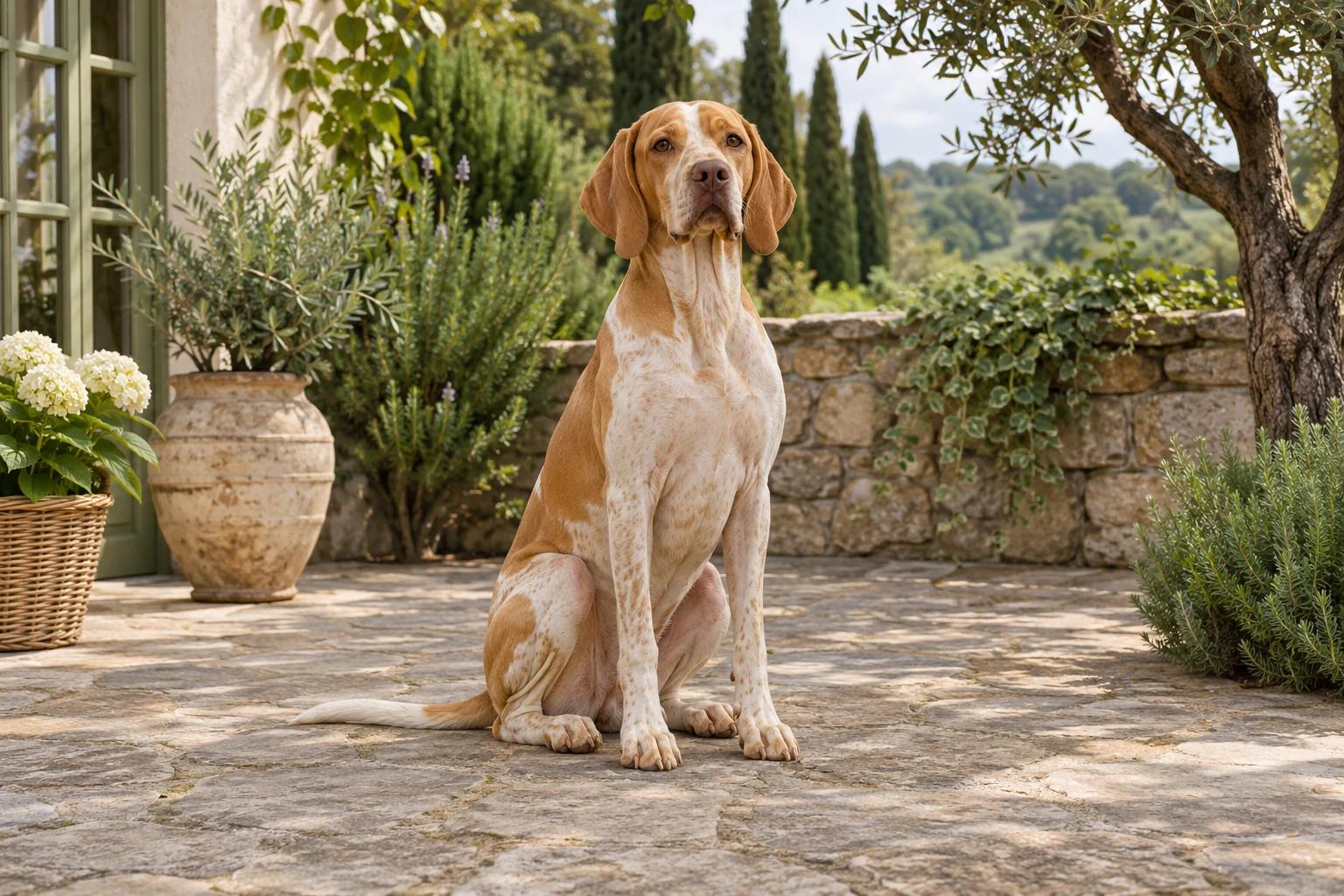
Portuguese Pointer shedding is a small but recurring household job, not something the short coat makes disappear. The useful aim is to manage loose hair comfortably while noticing changes in the dog’s skin and coat. You do not need an elaborate grooming station to begin. A suitable brush, a convenient cleaning routine and a dog who can relax during handling are more valuable than a drawer full of unfamiliar tools.
Portuguese Pointer shedding and the short coat
The FCI standard describes short, dense hair without an undercoat, with finer hair on the head and ears. That describes the coat’s structure; it does not mean there will be no loose hair. The Portuguese Pointer profile includes some shedding in the ordinary ownership picture.
Start by noticing where hair accumulates in your own routine. It may be most obvious on a favourite blanket, the car seat cover or clothing worn during close contact. Those observations tell you where washable protection is worth using. They are not a diagnostic test or a reason to compare your dog with somebody else’s brushful.
A photograph of a glossy short coat cannot show how much cleaning happens around it. If you are considering the breed, ask an owner to describe an ordinary week: which surfaces need attention, what tools they use and how their dog tolerates grooming. Practical answers are more helpful than a promise of effortless care.
Choose a simple tool and learn its pressure
VCA’s brush guide identifies short-bristled brushes or flexible grooming gloves as options for smooth-coated dogs. It also explains that brushing removes loose hair and debris. Ask a groomer to help choose a suitable tool if the choices are confusing.
Introduce the tool somewhere the dog can stand or lie comfortably. Let the dog investigate, make a brief gentle pass over an easy area and pause. You are establishing a repeatable care routine, not trying to finish every part of the body on the first attempt.
Pay attention to your hand as well as the brush. Working faster or pressing harder does not necessarily improve the result. If the dog shifts away, check your pressure, position and the tool before continuing. Stop working on an area that seems uncomfortable and discuss new sensitivity with your veterinarian.
Do not buy an aggressive shedding tool merely because it promises a large pile of removed hair. The result you want is a comfortable dog and a cared-for coat, not a dramatic before-and-after photograph. Ask for a demonstration before adding equipment you do not understand.
Make Portuguese Pointer coat care easy to remember
Keep the brush where the routine actually happens, but out of the dog’s reach. A small washable mat can define the space and make cleanup straightforward. Choose a quiet point in the day instead of beginning while everyone is trying to leave the house.
The breed profile’s ordinary plan is brushing once or twice a week. Use that as a starting schedule, then notice the individual coat and the conditions of recent outings. A muddy walk may call for a brief cleanup even when a regular brushing session is not due.
Divide the task if the dog is learning to accept handling. One comfortable side today is more useful than an exhausting struggle to complete the whole body. Keep a simple note of what remains so short sessions do not always cover the same convenient areas.
Make the end clear. Put the tool away and release the dog from the setup rather than repeatedly calling it back for one more patch. A routine with a recognisable finish is easier for the household to follow consistently.
Separate outdoor dirt from loose hair
A short coat still comes indoors from the ground, rain and vegetation. Set up a return-home station with a towel and a place for wet equipment. That keeps the first few minutes after a walk organised rather than turning them into a chase through the living room.
Check the feet and areas where the harness sat without turning the inspection into rough handling. Notice trapped debris, dampness or rubbing. If something is embedded, painful or difficult to remove, seek professional help rather than digging at it yourself.
A bath is a separate job from brushing. When needed, prepare dog-appropriate products, towels and a nonslip surface before starting. Follow product directions, keep the experience calm and ask a groomer for help with technique. Medicated products or skin concerns should be discussed with your veterinarian.
There is no advantage in bathing repeatedly just to chase every visible hair. Keep the purpose clear: ordinary cleanliness, a specific mess, or a veterinarian-directed care plan. Those are different situations and should not be treated as one universal schedule.
Give the house its own maintenance plan
For anyone learning how to groom a Portuguese Pointer, household setup is the overlooked half of the question. A washable cover on the dog’s usual seat is easier to manage than trying to remove hair from several delicate fabrics. Choose something that fits securely and is straightforward to wash according to its label.
Keep one cleaning tool near the places where hair is most noticeable. Test it on the fabric first and use the manufacturer’s guidance. A short, regular cleanup is often more practical than allowing the whole task to accumulate until visitors arrive.
Include the car in the plan. Shake out or clean the travel cover in an appropriate place, and check seams or corners where debris gathers. Do not use loose covers in a way that interferes with the dog’s restraint system or the vehicle’s safety equipment.
Know when ordinary grooming is not the answer
A change in the coat deserves attention when accompanied by irritation, sore areas, unusual odour or persistent scratching. Record when you noticed it and contact your veterinarian. Do not assume a new problem is simply a normal breed trait or attempt to solve it by increasing brushing pressure.
Coat care also does not replace nail, dental or ear care. Ask your veterinary team to help you establish appropriate routines and show you what you can comfortably do yourself. Delegate procedures that exceed your skills.
For a different perspective on this breed, read about the Portuguese Pointer’s name and history. If you are still deciding whether its overall care fits your life, use the dog match quiz alongside the breed profile rather than making shedding the only deciding factor.
FAQ
Does a Portuguese Pointer shed despite its short coat?
Yes, plan for some loose hair and routine cleaning. A short coat is not a no-shedding coat. Regular gentle care and washable household covers can make the work easier to organise.
Which brush should I try first?
A short-bristled brush or flexible grooming glove may suit a smooth coat. Ask a groomer to demonstrate the appropriate tool and pressure for your dog, and stop if an area appears uncomfortable.
Should I brush harder when I see more hair?
No. Greater pressure is not the goal of coat care. Review your routine and tools, and ask your veterinarian about a sudden change or any associated skin discomfort instead of trying to scrub the problem away.
Sources behind this article
- FCI: Portuguese Pointing Dog standard No. 187 ↗
- VCA Animal Hospitals: Choose the best brush for your pet ↗
Article source checked: November 15, 2026. Source checked 2026-11-15
Keep reading

Affenpinscher Grooming: A Practical Coat-Care Routine
Read article →