Porcelaine grooming: a practical weekly routine
Build a simple Porcelaine grooming routine for short hair, muddy outings and comfortable handling, plus questions to take to a groomer or veterinarian.
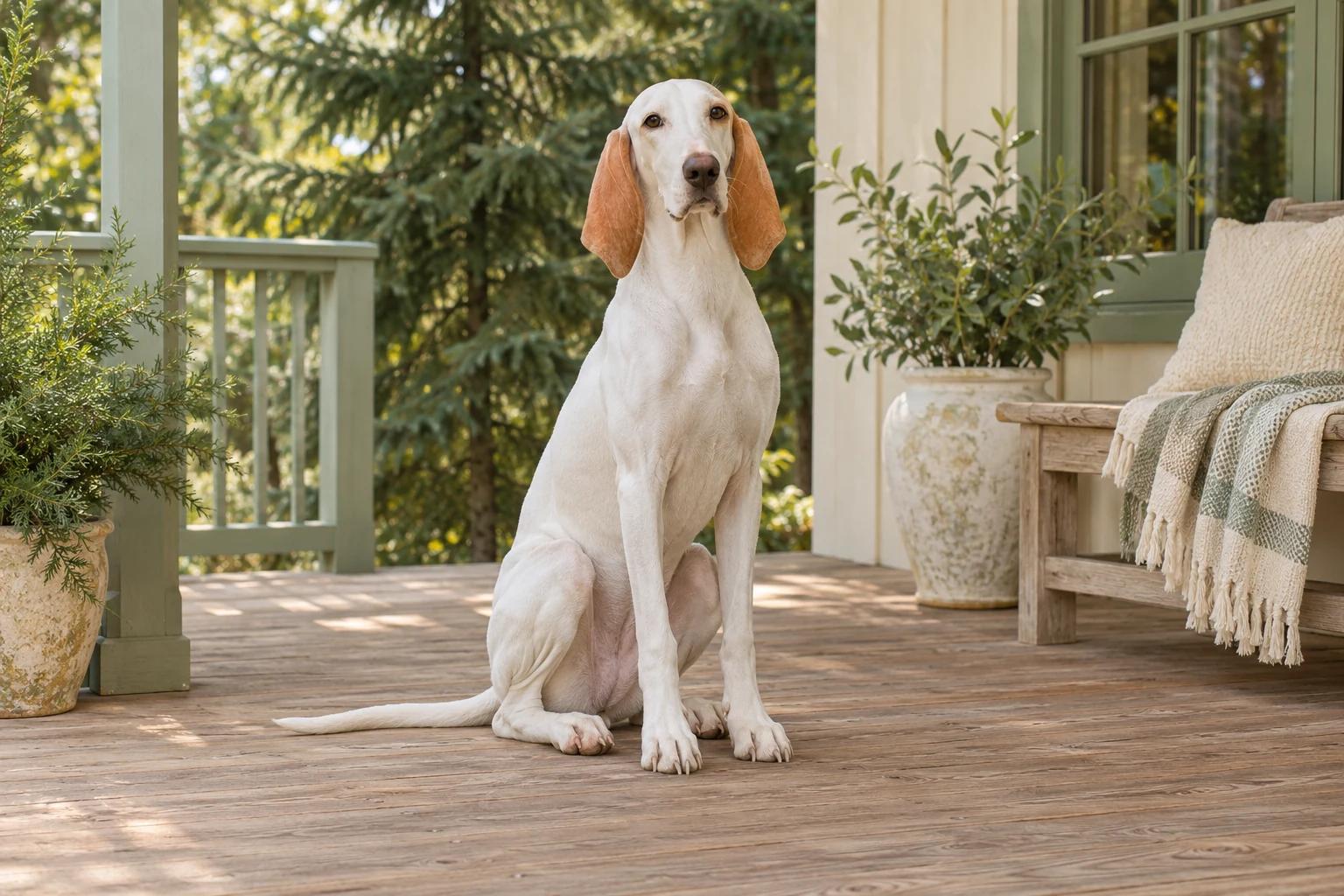
Porcelaine grooming is less about creating a hairstyle and more about keeping a straightforward routine. Short hair still ends up on fabric, muddy walks still need cleanup, and a dog still needs to learn that being handled is ordinary. Begin with a small set of comfortable tools and a regular place to use them. The aim is a dog you can check and care for without turning every session into a struggle, not a permanently spotless white coat.
Porcelaine grooming starts with a light touch
The Dogs Australia breed standard describes smooth, thin, close-lying hair and thin ears. That calls for attention to the pressure and tools you use, rather than treating this coat as a dense mat that must be worked through. Ask a groomer to demonstrate a suitable soft brush or grooming mitt if you are uncertain about tool choice.
Introduce the tool before attempting a complete session. Let the dog investigate it, make a short gentle pass over an easy area and pause. Reward comfortable participation. You do not need to finish the whole dog to make the first session worthwhile. A few calm repetitions establish a more useful starting point than holding the dog in place until every loose hair is removed.
Choose a nonslip surface and enough room to change your position. Avoid balancing the dog on an improvised high surface to save your own back. If floor-level grooming is difficult for you, ask a professional about a suitable setup rather than improvising restraints.
A weekly routine you can actually keep
DOGS NSW suggests weekly grooming and occasional bathing. Use that as a starting rhythm for Porcelaine coat care, then adjust the practical cleanup to your dog’s outings. An especially muddy day creates a different job from an ordinary dry pavement walk.
Start by looking over the dog before brushing. Note where dirt has collected, whether the equipment has rubbed, and whether the dog appears comfortable with your usual touch. Work in short sections, following the coat rather than repeatedly scrubbing against it. Stop to assess resistance instead of assuming more force will solve it.
Put a washable towel beneath the grooming area so you can gather loose hair easily. Clean the tool when you finish and store it dry. Keeping these steps together makes the routine quicker next time; hunting for a brush and discovering it still contains last week’s debris is an avoidable barrier.
You can divide the routine across two brief sessions if that suits the dog better. Consistency is about keeping care manageable, not insisting that everything happens at precisely the same time on Sunday.
Manage shedding where it causes the most work
Porcelaine shedding is part of life with this coat, as the breed profile makes clear. Brushing can collect some loose hair, but it is not a promise of hair-free upholstery. Plan household cleanup around the places the dog actually uses.
A washable cover on the favorite chair may save more effort than a large basket of grooming products. Shake or vacuum that cover as appropriate before washing it, following the fabric instructions. Keep a separate towel by the entrance and a simple hair-removal tool where you dress for work. Small, well-placed supplies often matter more than a complicated cleaning schedule.
Observe the usual pattern rather than judging it against a photograph of another dog. If shedding changes suddenly or accompanies skin changes, discomfort or bare areas, ask your veterinarian. Do not assume every new coat problem is a normal seasonal event, and do not add supplements or treatments on the basis of a grooming article.
After a walk, solve the actual cleanup problem
Before letting the dog onto furniture, check paws and the lower body for mud or debris. Prepare a towel and a bowl of clean water if needed, so the dog does not have to wait while you move between rooms. For ordinary surface dirt, a gentle wipe may be sufficient; for a larger mess, use an appropriate wash routine.
Avoid pulling at attached material without looking closely. If something is stuck, painful or difficult to remove, seek professional help. The goal of this inspection is to notice a problem early, not to turn the entrance hall into a treatment area.
Practise the sequence on clean days too: pause at the door, stand on the towel, allow a brief touch and move on. That way the routine is familiar before you really need to remove mud. Keep the lead and any wet gear off the dog when appropriate and let equipment dry before storing it away.
Bathing without making it a production
When a bath is necessary, assemble towels and a dog-appropriate shampoo before starting. Follow the product directions, use a nonslip bathing surface and keep the water flow comfortable. Ask a groomer to show you how to rinse thoroughly without directing water into the ears or eyes.
Plan the exit as carefully as the wash. Have a dry area ready so you are not trying to manage a wet dog and slippery floor at the same time. Towel drying should be gentle, with breaks if the dog needs them. A professional can advise on suitable drying equipment if you use it; household heat settings are not something to guess about.
Do not bathe simply to chase an ideal appearance every time the dog goes outside. The practical question is whether the dog needs cleaning, not whether its coat matches a newly washed studio photograph. For prescribed skin products or a medical bathing schedule, follow your veterinarian’s directions rather than this general routine.
Add handling and professional support
Anyone learning how to groom a Porcelaine should include comfortable handling of the feet and ears in the plan. Start with brief contact and reward cooperation without forcing a full procedure. Ask your veterinarian or groomer to demonstrate nail care and tell you what should be left to them. Dental care also deserves its own veterinarian-guided routine, rather than an occasional glance during brushing.
Keep a simple note of what went well and what was difficult. “Comfortable with brushing shoulders, pulls foot away” helps a professional prepare more than “hates grooming.” New sensitivity or a sudden change in cooperation warrants veterinary attention rather than stricter restraint.
For the separate question of coat color, read Porcelaine orange markings and dark skin spots. Grooming should not become a project in altering normal appearance. If you are still weighing breeds, use the dog match quiz to consider this modest coat routine alongside the more substantial commitments of activity and daily company.
FAQ
How often should I brush a Porcelaine?
A weekly session is a useful starting point, with extra cleanup after dirty outings. Keep sessions gentle and brief enough for comfortable participation. Your dog’s condition and your groomer’s advice matter more than finishing a fixed number of brush strokes.
Does a short coat mean no shedding?
No. The Porcelaine profile includes regular shedding. Plan for loose hair on beds and clothing, with washable covers and routine cleaning. Brushing is useful care, not a way to guarantee that the house stays free of hair.
Should I trim a Porcelaine’s coat?
Routine care for this smooth coat is not centered on haircutting. Ask a breed-experienced groomer before using clipping tools, and speak to your veterinarian about any skin concern. A short coat does not justify experimenting with harsh or unnecessary treatments.
Sources behind this article
Article source checked: November 15, 2026. Source checked 2026-11-15
Keep reading

Affenpinscher Grooming: A Practical Coat-Care Routine
Read article →