Pont Audemer Spaniel exercise needs: a practical day
Plan Pont Audemer Spaniel walks, purposeful games and rest around the individual dog, with sensible preparation for outdoor activities.
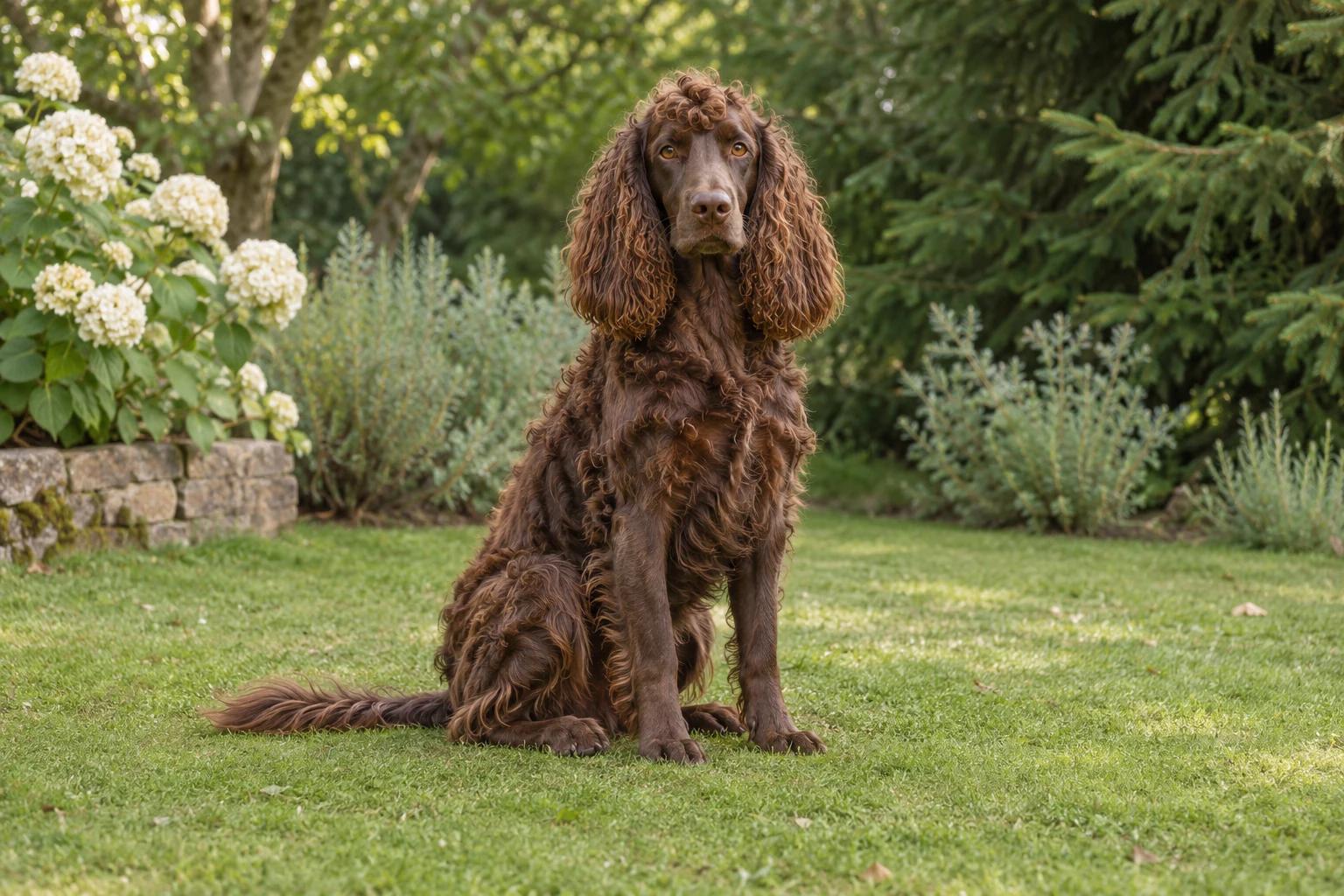
Pont Audemer Spaniel exercise needs make more sense when you think beyond a walk counter. This is a breed with a working background, so a useful day includes movement, investigation and chances to cooperate with a person. The goal is not to exhaust the dog. It is to build a routine that gives it appropriate activity and leaves room for rest.
The Pont-Audemer Spaniel profile describes a moderate activity picture with a brisk outing rather than only a brief stroll. Begin with that broad expectation, then plan around your dog's age, health, experience and current capabilities.
Pont Audemer Spaniel exercise needs and working heritage
FCI classifies the breed as a pointing dog and describes a stocky, vigorous build. That background gives context to an owner's interest in outdoor activities, but the standard does not supply a daily mileage prescription. FCI breed standard.
If you are wondering “how much exercise does a Pont Audemer Spaniel need,” start by asking what the individual already does comfortably. A puppy, an adult accustomed to regular outings and a dog returning after a period of reduced activity should not receive an identical plan.
VCA recommends veterinary input when designing a fitness routine and emphasizes gradual, consistent conditioning rather than occasional large efforts. VCA exercise guidance. Take a description of the activities you hope to do to that conversation, not just a request for a universal number of minutes.
Build the weekday before the weekend
Write down when the dog will have outdoor access and who will provide it. Include travel and preparation time around an outing. If your favorite walking area is a drive away, it cannot serve as the only plan for a day when the car is unavailable.
Identify a dependable nearby option as well. A familiar route may be less exciting to you than a weekend trip, but it is useful when time or weather changes the day. Consistency is easier when the plan has alternatives instead of an all-or-nothing main event.
Let the daily walk include investigation
A Pont Audemer Spaniel daily walk can combine purposeful movement with opportunities to notice the environment. Choose a route with enough space to manage the lead and pause without blocking other people. Think ahead about narrow gates, livestock, traffic and wildlife rather than discovering every complication after arriving.
Set a clear boundary between exploring and approaching something you have not agreed to. A pointing-dog background is not a reason to allow uncontrolled pursuit. Use appropriate secure equipment and suitable enclosed areas while skills develop, and follow local access requirements.
Bring the information that helps another caregiver continue the same approach. Which side of the road works better? Where is there room to turn around? What situations need extra distance? A few concrete notes can prevent an unfamiliar walker from choosing a route that looks convenient but repeatedly becomes difficult.
Give games an understandable beginning and ending
Not every useful activity needs a large space or specialized kit. Choose a familiar toy and a clear area for a short cooperative game. Decide where you will start, how you will pause and where the toy will go afterward. That structure helps people avoid turning every interaction into a spontaneous, increasingly frantic contest.
If you want to introduce retrieving or scent activities, a qualified instructor can help you choose an appropriate starting point. Explain your goals honestly: you may want an enjoyable household activity rather than competitive training. Ask what preparation is needed before bringing the dog to a group class.
Keep a list of activities the dog actually joins willingly. There is no need to insist on one game because it sounds suitable for a spaniel. Your dog's preferences, comfort and learning history are more useful than a romantic picture of how a working breed ought to spend the afternoon.
Treat water as a separate activity decision
Do not assume that a dog will be comfortable swimming because of its breed background. VCA explicitly advises against presuming that any dog likes water or knows how to swim. VCA exercise guidance.
Before planning water activity, check the location, access rules, conditions and exit points. Ask an appropriate professional about preparation and equipment for your individual dog. Keep the first experience separate from an ambitious outing where people feel pressure to complete a route.
If water work is not suitable or enjoyable, choose land-based alternatives. You are not failing to honor the breed by selecting activities that fit the actual dog. A workable relationship is more important than recreating a photograph of a spaniel in a marsh.
Leave room for the return home
Outdoor activity does not end the moment you reach the door. Reserve time to check the dog, deal with wet equipment and provide a quiet place to rest. Keep towels and other routine supplies accessible before leaving, especially when you expect mud or rain.
The breed's distinctive head furnishings are covered in our topknot and ear-curl article. After an outing, focus on the individual dog's comfort and anything that needs attention rather than trying to preserve a picture-perfect outline. Ask your groomer to demonstrate appropriate coat checks and your veterinarian about new discomfort or skin concerns.
Tell other household members what the dog has already done. Otherwise, one person may return from an outing just as another decides to begin a lively game. A shared note can make the day more balanced without requiring a complicated tracking system.
Use the dog's response to improve the plan
Record a few observations after activities: setting, type of activity and how the dog behaved afterward. Note changes rather than assigning a score. A dog that repeatedly avoids a particular route may need a different setting, not a longer session on the same path.
Bring unusual fatigue, discomfort or a sudden change in willingness to move to your veterinarian. For persistent difficulty settling or managing outings, ask a qualified trainer or behavior professional to help interpret the pattern. Do not make increasing intensity your automatic response to every problem.
If you are still deciding whether the breed suits you, use the dog match quiz and compare the result with your calendar. A realistic plan includes ordinary weekdays, backup care and time to share activities. That is more valuable than a promise of occasional adventurous weekends.
FAQ
Is a short toilet outing enough exercise?
Toilet access is necessary, but it should not be the whole activity plan for an otherwise active adult Pont-Audemer Spaniel. Arrange appropriate movement and engagement around the individual dog's capabilities and seek veterinary guidance where needed.
Must a Pont-Audemer Spaniel swim?
No. Do not assume a dog enjoys water or already knows how to swim. Consider the individual, preparation and conditions, and choose other activities if water is unsuitable or unappealing.
How should I assess Pont Audemer Spaniel activity level?
Look at the dog's actual routine and response rather than a single excited moment. Record what it does comfortably, how it settles afterward and any changes. Use those observations when discussing a suitable plan with your veterinarian or trainer.
Sources behind this article
Article source checked: November 15, 2026. Source checked 2026-11-15
Keep reading

Afghan Hound Exercise Needs: Build a Workable Active Day
Read article →