Pomsky grooming: understand the coat you have
Build a practical Pomsky grooming routine around coat type, shedding, gentle handling and clear instructions for professional care.
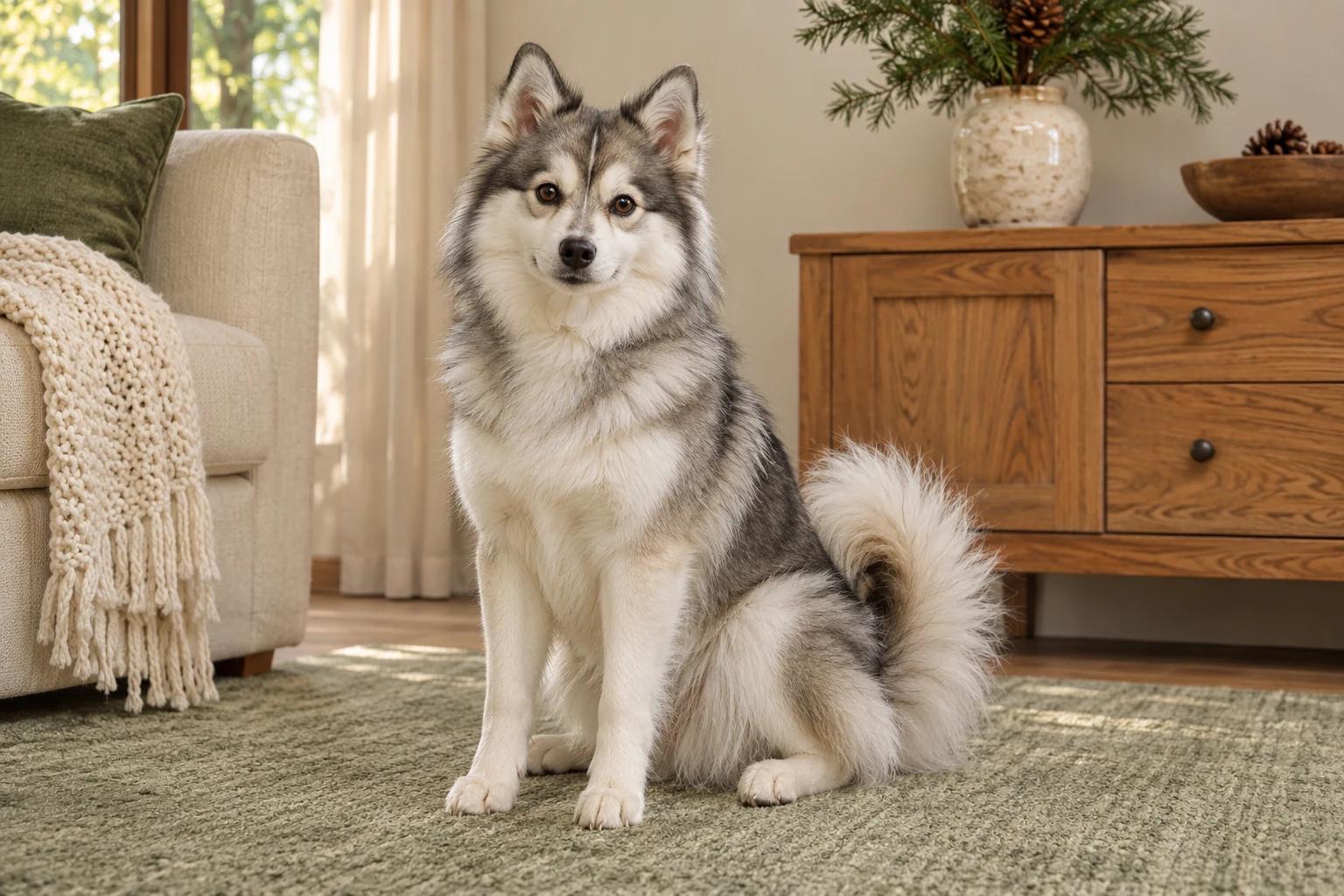
Pomsky grooming begins with the coat in front of you, not a haircut chosen from another dog's photograph. Pomskies can differ substantially in coat length and texture. A useful routine leaves you knowing what to check at home, what your tools are meant to do and which jobs belong with a professional.
The Pomsky profile describes a double coat and regular shedding. Plan for maintenance even if your dog looks tidy after a quick surface brush. The aim is a comfortable, manageable coat, not a promise of a hair-free sofa or a permanently fresh salon finish.
Pomsky grooming starts with coat identification
The American Pomsky Kennel Club distinguishes standard, plush and wooly coats. It describes a soft, dense undercoat beneath guard hairs, with longer coats requiring more frequent attention. These terms help explain differences, but a groomer still needs to assess your individual dog. APKC coat guide.
At the first appointment, ask the groomer to describe what they see rather than merely assign a label. Which areas need attention between visits? Which tool reaches through the coat without pulling? What should a comfortable session look like? Bring any tools you already own so the answers are useful at home.
Write down the purpose of each tool. “Comb to check the demonstrated area” is more actionable than a shopping list of five products. Do not assume that a tool marketed for shedding is suitable for every coat or that harder pressure will do the job faster.
Separate appearance from maintenance
Bring a photograph if it helps explain the finish you prefer, but use it to start a conversation. Ask what can reasonably be achieved with your dog's coat and what upkeep that result requires. A picture of a different coat type may not be a workable instruction.
Agree on any trimming before the appointment begins. “Make it tidy” can mean different things to different people. Ask which areas will be trimmed, what will be left natural and when the groomer would contact you before changing the plan. That avoids a rushed decision at collection time.
Build a routine around touch and access
Choose a place with stable footing, good light and room for you to reach the dog without awkwardly twisting it. Keep the tools nearby before starting. If other pets or household activity make the space busy, arrange a quieter time rather than trying to groom through the commotion.
VCA recommends gentle brushing and checking for tangles, particularly in less visible areas. Its guidance also advises professional help for severe matting and warns against cutting mats with scissors. VCA grooming guidance.
For home care, work only within the technique you have been shown. Stop when an area cannot be handled comfortably. A stubborn knot is not a reason to pull harder or improvise with sharp tools. Tell the groomer where you got stuck so the next demonstration addresses the actual problem.
Keep a brief note after each session: which areas were completed, which need another look and whether your dog tolerated the handling. This helps a second caregiver continue sensibly instead of starting from scratch. It also prevents the visible back and sides from receiving all the attention while awkward areas are repeatedly postponed.
Pomsky shedding needs a household plan
Loose hair is part of living with this coat. Plan separately for coat maintenance and cleaning the home: brushing the dog is not the same job as washing bedding, and vacuuming cannot replace checking the coat.
Choose washable resting covers that are easy to remove. Keep a spare available so a wet or dirty cover does not leave the dog without its usual resting place. Decide where muddy towels go and who empties the cleaning equipment. These small arrangements make seasonal cleanup less likely to turn into a pile of unfinished jobs.
If the coat seems to be releasing much more undercoat than usual, ask the groomer how to adapt your existing routine. Do not book an aggressive “remove everything” session or assume every loose tuft must be pulled by hand. A sudden patchy change, irritated skin or discomfort belongs in a veterinary conversation rather than being dismissed as ordinary shedding.
Plan bathing before turning on the water
Ask your groomer what bathing and drying process suits the coat and what you can realistically do at home. Be clear about the equipment you have. A bathtub alone does not mean you can reproduce every part of a professional service.
VCA notes that tangles should be addressed before bathing and that bathing frequency depends on the dog and its circumstances. VCA grooming guidance. Avoid choosing a rigid schedule just because another Pomsky owner uses it.
Before a planned bath, prepare towels, appropriate products and a clear route afterward. Keep household doors managed so a wet dog does not rush onto a slippery surface. If the coat is matted, the skin is uncomfortable or you cannot dry the dog appropriately, ask for professional help instead of pushing ahead to keep an appointment with yourself.
Make the professional appointment useful
When booking, describe the coat, the last grooming session and any handling difficulty honestly. A groomer can prepare better for “comfortable with brushing the back, worried about feet” than for “a bit fussy.” If there is a medical concern, discuss it with your veterinarian and share relevant guidance with the groomer.
At collection, ask what changed and what you should do before the next visit. Check that you understand any new recommendation. If the routine sounds unrealistic for your household, say so while there is time to find a workable alternative.
Good Pomsky coat care connects those appointments to ordinary life. It should leave you with a repeatable method, not a growing collection of unfamiliar products. If you are still choosing a dog, use the dog match quiz to consider whether this maintenance fits your week. For households already managing a resident cat, our Pomsky preparation article covers that separate part of bringing a dog home.
FAQ
How often should I brush a Pomsky?
Base the schedule on the individual coat and the technique demonstrated by a groomer. Coat length, tangling and shedding can change the work needed. Check the coat regularly rather than waiting for a fixed date when a problem is already developing.
Can I remove a tight mat with scissors?
Do not cut tight mats with scissors. Ask a professional groomer or veterinarian for help, especially when skin is irritated or handling is uncomfortable. Avoid pulling at the coat to force completion of a home session.
How do I learn how to groom a Pomsky at home?
Ask for a hands-on demonstration using your own tools and dog, then write down what each step accomplishes. Start with manageable sessions and tell the groomer which areas you cannot comfortably maintain. A tailored demonstration is more useful than copying another dog's haircut.
Sources behind this article
Article source checked: November 15, 2026. Source checked 2026-11-15
Keep reading

Affenpinscher Grooming: A Practical Coat-Care Routine
Read article →