Pomchi vs Chihuahua: Choosing the Individual Dog
Compare Pomchi and Chihuahua ancestry, coat care, daily routines, and practical home fit without relying on appearance or promises.
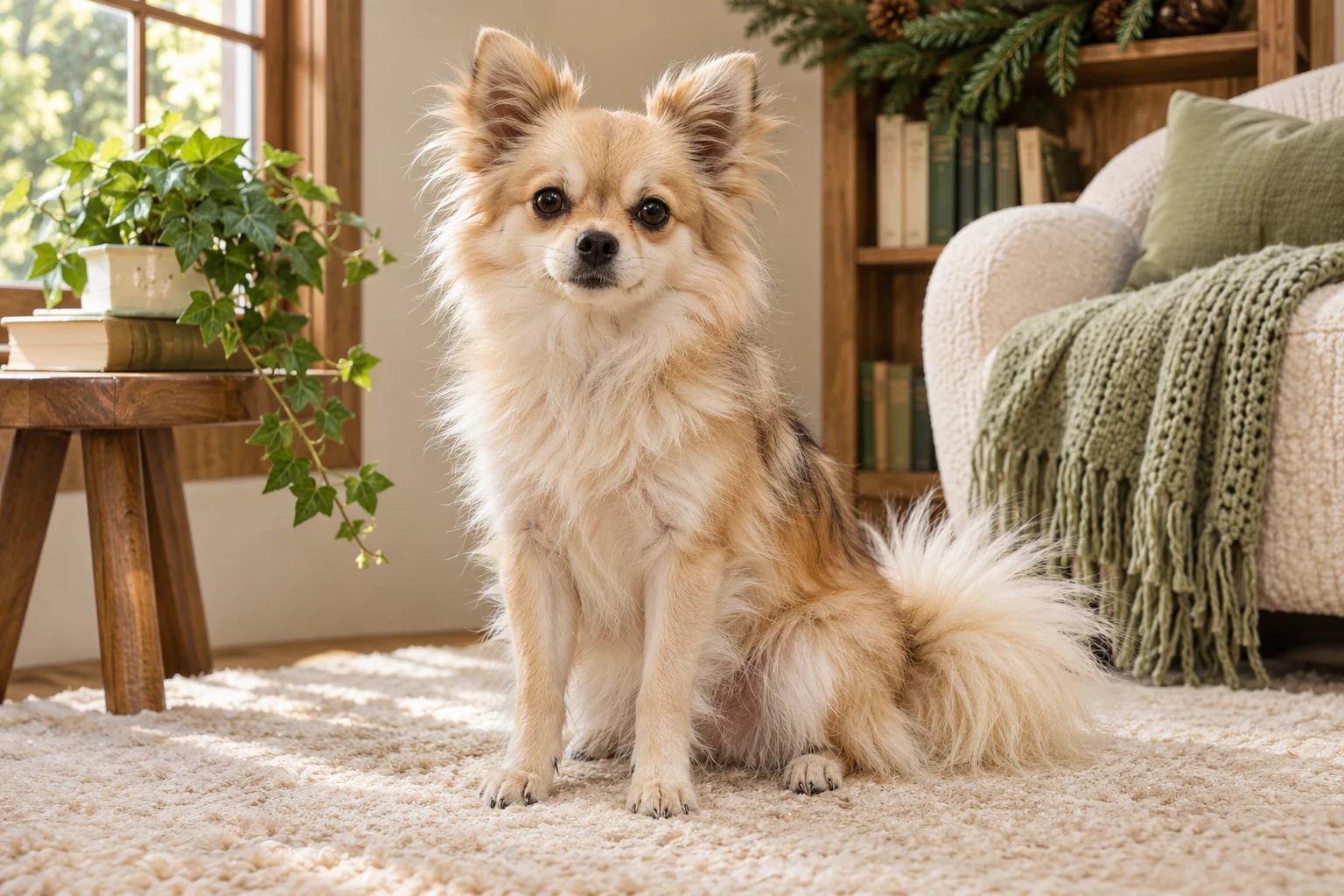
Pomchi vs Chihuahua starts with a distinction that a photograph cannot settle. Chihuahua is a recognized breed; Pomchi describes Pomeranian and Chihuahua ancestry. The cross name does not give you a fixed combination of coat, size, or temperament. Compare the dogs available to you and the care you can provide, rather than choosing a promised blend of favorite features.
Pomchi vs Chihuahua: what the names tell you
VCA explains that crossing breeds does not consistently reproduce a chosen set of parental traits. That is the key limitation when comparing a Pomchi description with a Chihuahua breed reference. (VCA Designer Dogs)
Read the Pomchi profile alongside the Chihuahua profile. For a specific Pomchi, ask who its parents are and what documentation is available. For either dog, separate known history from an estimate or a seller's expectation.
The difference between Pomchi and Chihuahua is not simply that one is fluffy and the other is smooth. The AKC Chihuahua standard includes both smooth and long coats. Appearance alone is therefore a poor shortcut to ancestry. (Chihuahua standard)
Start with the dog you would actually bring home
An adult's current measurements, care routine, and observed habits answer practical questions directly. Ask for a recent description of an ordinary day: where it sleeps, how it goes outside, and what happens when its caregiver leaves the room or house. Do not settle for “small and easy.”
For a puppy, ask how its daily routine is recorded and shared. You want clear dates, actual observations, and a contact for questions after the move. A puppy picture next to an object may suggest scale, but it is not a measurement or a forecast.
If your housing or travel arrangements impose a strict size limit, verify the rule itself. Find out whether it refers to the dog's weight, the carrier's dimensions, or something else. Then assess whether the particular dog's known size fits. Do not buy a puppy on the assumption that a nickname settles a future transport requirement.
Compare coat work, not just softness
A smooth Chihuahua offers a different starting point from a dog with a fuller coat. VCA describes the smooth coat as short; its Pomeranian page describes a dense undercoat beneath a longer outer coat. Those descriptions provide parent-breed context, not a predetermined Pomchi grooming schedule. (VCA Chihuahua, VCA Pomeranian)
Ask the caregiver what is actually done at home and what is handled professionally. Include the cost, the travel, and the dog's experience of appointments. Two dogs that photograph similarly can arrive with very different familiarity with handling.
Place the equipment somewhere you can use it comfortably at the dog's level. If all care depends on balancing a small dog on a high surface, ask a groomer about a more suitable arrangement. Small size should make the setup thoughtful, not casual.
Think at floor level
Walk through your home as though you were checking it for a small visitor who can move quickly. Look at gaps beside gates, doors that close abruptly, and places where a person steps backward without looking. Check the space beneath reclining furniture before using it around a dog.
Make a resting area that is outside the main walking route. If the household includes children, adults need to supervise interactions and prevent chasing, lifting, or crowding. A small dog is not automatically an easier match for small children.
With other pets, discuss the individual histories and plan introductions carefully. Ask whether the dogs have shared indoor space before, not just passed each other outside. Have a practical way to separate them without anyone needing to grab a dog in a tense moment.
Ask what teaching already looks like
VCA recommends reward-based learning for both parent breeds and notes that housetraining may take patience. This does not tell you which individual will learn faster, but it does challenge the idea that a tiny dog needs no teaching.
Ask the caregiver to show one ordinary skill, such as approaching when called indoors or waiting while equipment is prepared. Notice whether the dog understands the task and whether the person explains it clearly. A polished trick is less relevant than a routine you will use every day.
For toilet arrangements, ask for the exact current location and surface. Write those details down instead of relying on the general phrase “toilet trained.” A dog used to a garden door may need help understanding an apartment lift and a pavement route. Your home changes the task even when the dog has learned something useful elsewhere.
Do not make quietness a buying promise
The site profiles make vocal behavior worth discussing for both choices. Ask when barking occurs, what the caregiver does, and how the dog returns to another activity. A label such as watchdog is not enough information for a home with thin walls.
If you work at home, think about delivery times and the view from your desk. If you work elsewhere, ask about the dog's observed experience of absences and make a support plan. Neither the Chihuahua vs Pomchi search order nor the smaller-looking dog tells you which will fit a full workday.
Bring the choice back to your household
For a Pomchi or Chihuahua decision, write down three concrete requirements: an equipment fit, a routine you can maintain, and a behavior question still to investigate. Match evidence to those requirements before deciding which appearance you prefer.
Keep health questions with the veterinarian and review actual records. The separate Pomchi movement article covers a specific concern without making it the basis of this comparison. The dog match quiz can organize lifestyle priorities, but meeting and learning about the individual remains essential.
FAQ
Is a long-haired Chihuahua the same as a Pomchi?
No. The Chihuahua standard recognizes a long-coat variety. Coat length or a fluffy photograph does not establish Pomeranian ancestry. Ask for the dog's background rather than assigning a cross name from appearance.
Which is better if I need a very small adult dog?
Evaluate a known adult's actual measurements against your requirements. A puppy's appearance or advertised cross name is not enough to confirm a future carrier fit or housing limit. Check the applicable rule before committing.
Is a Pomchi easier to train than a Chihuahua?
There is no reliable rule that a particular Pomchi will learn faster. Compare each dog's experience, current routines, and response to clear teaching. Plan patient practice and support rather than buying an assumed training advantage.
Sources behind this article
- VCA Designer Dogs ↗
- American Kennel Club: Chihuahua Standard ↗
- VCA Chihuahua Smooth Coat ↗
- VCA Pomeranian ↗
Article source checked: November 15, 2026. Source checked 2026-11-15
Keep reading

Affenpinscher vs Brussels Griffon: Everyday Differences
Read article →