Pomchi Size: Planning Beyond a Puppy Estimate
Understand Pomchi size estimates, parent-breed standards, useful measurements, and how to choose equipment for the dog you have.
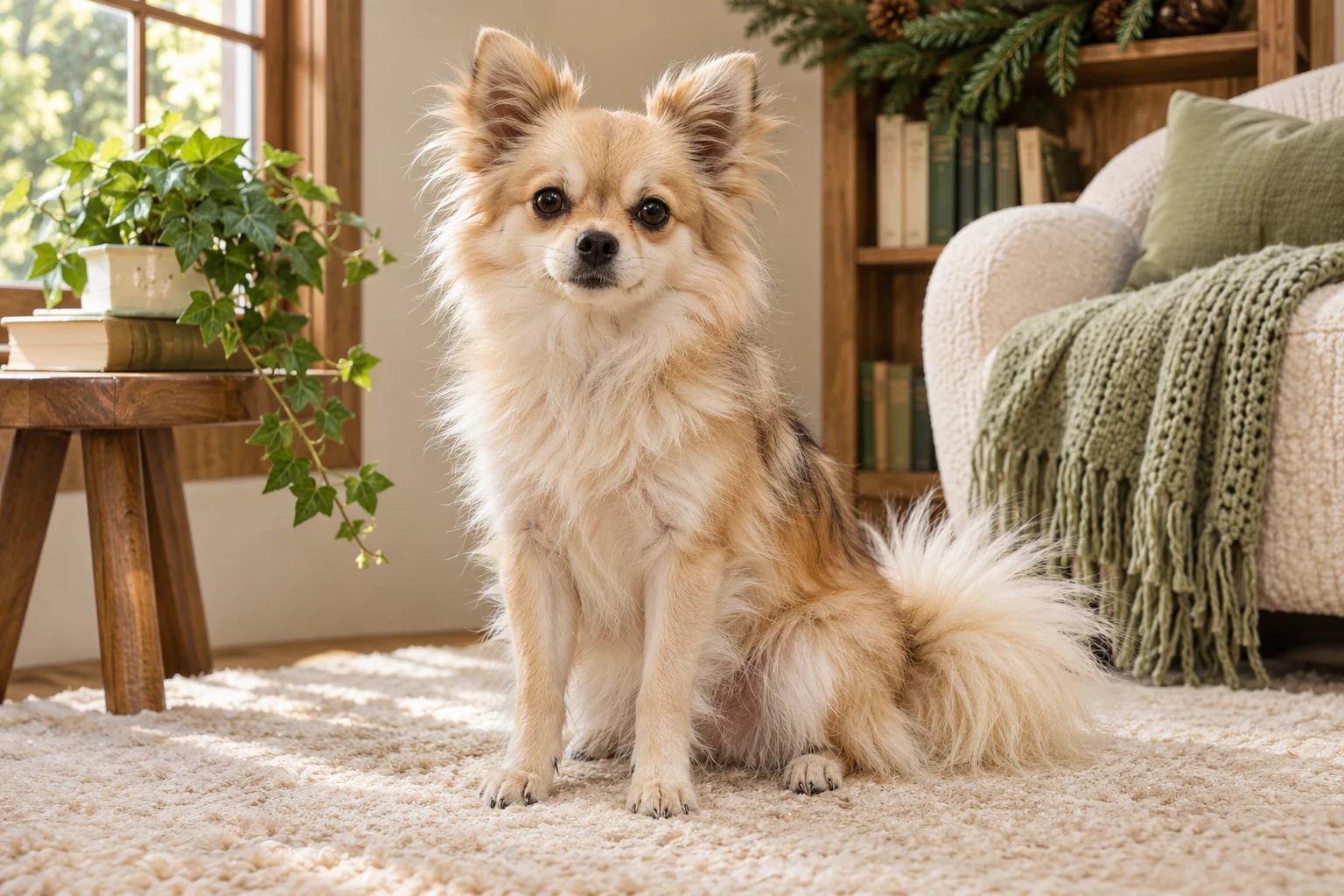
Pomchi size is usually discussed in the context of a small companion dog, but a single advertised number cannot tell you what a particular puppy will become. The useful approach is to separate known measurements from forecasts, then choose equipment and home arrangements that can change. If an exact adult size is essential, information about a fully grown individual is much more useful than a puppy-size promise.
Pomchi size: understand what a reference can establish
A Pomchi has Pomeranian and Chihuahua ancestry. VCA's discussion of designer dogs explains that inherited traits in crosses are not as consistent as buyers may hope. Parent information is useful context, not a dependable adult-size formula. (VCA Designer Dogs)
The Pomchi profile is a starting point for the cross, while your own dog's dated records are the starting point for practical decisions. Keep those two kinds of information separate. A general description should not overrule measurements taken from the dog you are caring for.
What parent standards mean, and what they do not
The AKC Pomeranian standard describes a weight of 3–7 pounds. The Chihuahua standard specifies a dog not exceeding 6 pounds. These are conformation criteria for the parent breeds, not a Pomchi growth chart, a feeding target, or a guarantee about every pet. (Pomeranian standard, Chihuahua standard)
Do not average the two figures and treat the result as your puppy's destination. Nor should a dog be fed to fit a show-standard number. Ask your veterinarian to assess the individual dog's growth and body condition and to advise on feeding.
The standards also describe different body outlines: the Pomeranian is square and compact, while the Chihuahua is slightly longer than tall. That distinction is another reason that weight alone cannot settle the fit of a harness, coat, or carrier. Your equipment needs to accommodate an actual body, not just a number on its label.
Keep a small, useful measurement record
A helpful record has four columns: date, measurement, unit, and context. For Pomchi weight, note whether the reading came from the veterinary clinic or a suitable home scale. Do not merge pounds and kilograms in the same column without labeling them clearly.
Use a stable, appropriate setup rather than balancing a dog on an unsuitable surface. If taking a measurement is difficult, ask the veterinary team or a qualified professional to demonstrate. You do not need to improvise a risky home weighing arrangement to keep an interesting chart.
For Pomchi height, be clear about what you measured. A measurement to the shoulder is different from the top of the head or ears. Keep the dog standing naturally on a level surface; do not stretch or reposition it forcefully to obtain a preferred number. For shopping, follow the particular manufacturer's measurement instructions rather than assuming every product uses the same method.
Record the date, not just the result
A note that says “small harness” becomes confusing when a puppy grows. A dated chest measurement and the product's adjustment range are easier to use. Add the purchase date and model name so someone else can identify the item if it needs replacing.
Photographs can supplement the record, especially when showing how equipment sits, but they are not a substitute for measurements. Different camera angles, coat lengths, and poses can make the same dog appear surprisingly different.
Buy for current fit with a plan to reassess
Check a harness on the dog instead of trusting the size name alone. Small, extra-small, and toy are retail labels, not universal dimensions. Compare the product's stated range with your measurements and ask for help checking fit if you are unsure.
Look for a sensible return policy before purchasing an expensive item. Keep packaging until you know it fits, and avoid buying a complete lifetime wardrobe from the first puppy measurement. The practical goal is usable equipment now, with room in the budget to replace it when needed.
Recheck fit when you notice a change and before relying on an item that has been stored for a while. A winter coat that fitted last season deserves another check. The same applies when a different person takes over walks and adjusts straps without knowing the previous setup.
Treat a carrier as a space, not a weight category
A carrier's maximum load is only one part of suitability. Read its dimensions and instructions, and make sure the dog can use it as intended. Consider how it opens, where it will sit, and how you will move it with the dog inside.
For travel, obtain the current requirements from the actual operator for your journey. Do not assume a product described as suitable for travel meets every service's rules. If your plans depend on a precise limit, settle that uncertainty before booking around the dog.
At home, keep the carrier accessible for calm familiarization rather than bringing it out only when everyone is rushing. Its role in the routine matters as much as its dimensions. A correctly sized item still needs a sensible introduction.
Plan the room around a small moving dog
Size planning is not only shopping. Check gaps in barriers, floor-level storage, and the route between the sleeping area and the outside door. A small dog can be hard to notice when people are carrying bags or moving furniture.
Give visitors a clear instruction about where the dog will be when they enter. Keep children supervised and prevent them from lifting the dog as part of play. Design the household arrangement so protection does not depend on everyone reacting at the last second.
If growth, comfort, or movement worries you, speak with your veterinarian rather than interpreting a size chart as a diagnosis. The separate article about a Pomchi's changing step addresses movement observations; it is not a method for predicting adult dimensions.
FAQ
How big do Pomchis get?
Pomchis are generally discussed as small dogs, but the name does not establish a dependable adult ceiling. Ask for the individual's background and dated measurements. If exact size is crucial, assess a known adult against your practical requirements.
Can I use a parent breed's weight standard as a diet goal?
No. A conformation standard is not a feeding prescription for your dog. Your veterinarian can assess body condition, growth, and nutritional needs and explain what an appropriate plan looks like for the individual.
What should I check before buying a harness?
Measure according to the manufacturer's directions, compare the adjustment range, and check fit on the dog. Save the product information and reassess as circumstances change. Do not rely only on a label such as extra-small.
Is size the most important breed-choice factor?
Size affects equipment and space, but daily care, interaction, and routines also matter. Use the dog match quiz to organize those priorities, then investigate the individual dog's needs rather than choosing only by dimensions.
Sources behind this article
- VCA Designer Dogs ↗
- American Kennel Club: Pomeranian Standard ↗
- American Kennel Club: Chihuahua Standard ↗
- Embark sex-labelled adult reference — adult-weight reference ↗
- Dogzone usual adult upper reference — adult-weight reference ↗
- PetMD Pomchi FAQ upper reference — adult-weight reference ↗
Article source checked: November 15, 2026. Source checked 2026-11-15Article source checked: November 18, 2026. Source checked 2026-11-18
Keep reading

Airedale Terrier Temperament: What Everyday Life Can Feel Like
Read article →