Plott Hound vs Redbone Coonhound: Everyday Choices
Compare Plott Hound and Redbone Coonhound ownership through outings, learning, noise planning, and the questions worth asking.
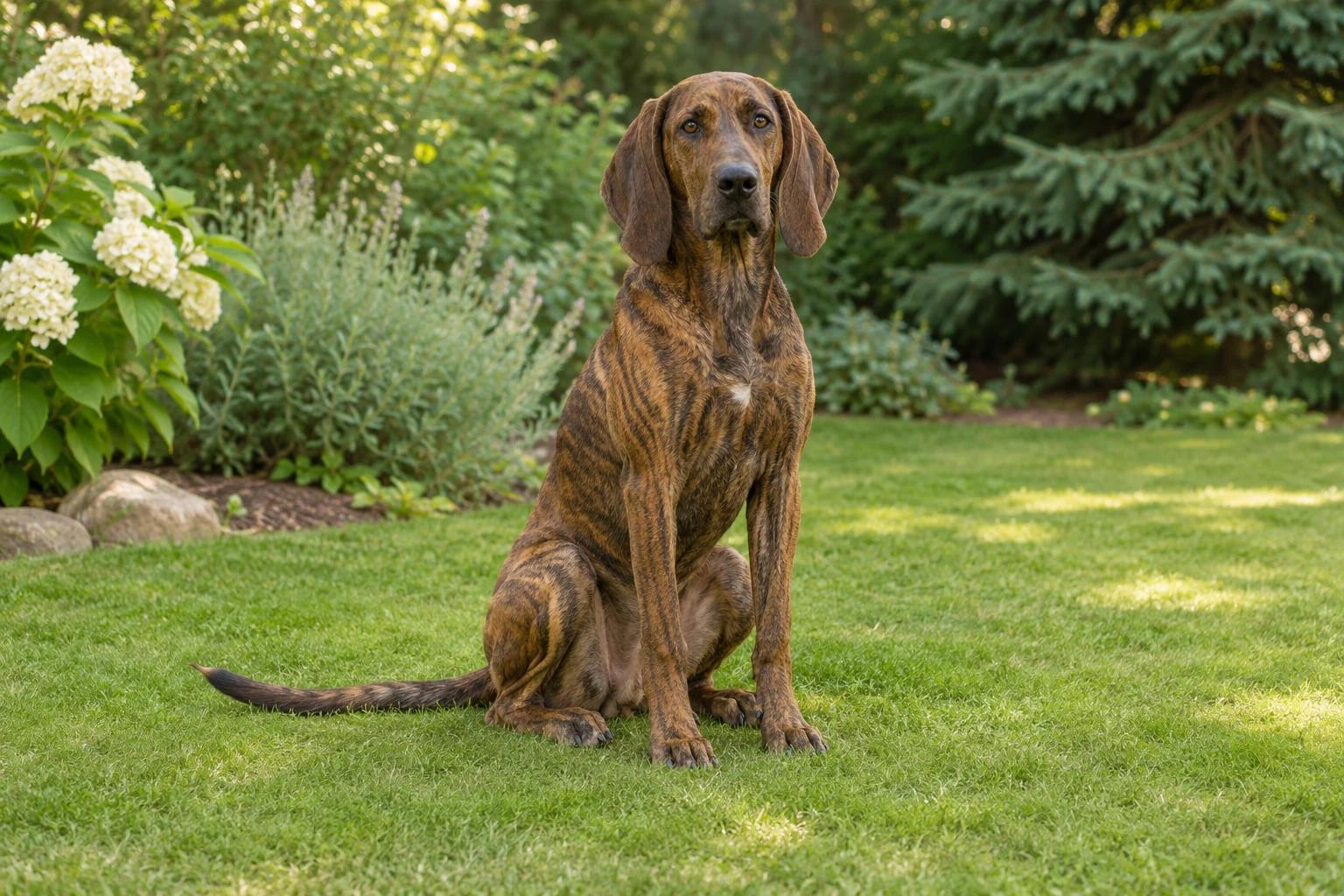
A Plott Hound vs Redbone Coonhound decision is not simply a choice between two coat appearances. You are comparing hounds whose daily lives need to work in your neighborhood, your schedule, and your household. The strongest comparison asks what you will do together and what arrangements you can maintain when life is busy. Start there rather than treating a breed label as a ready-made personality assessment.
Read the Plott Hound profile and Redbone Coonhound profile to establish the wider care context before meeting individual dogs.
Plott Hound vs Redbone Coonhound: shared interests, different dogs
The UKC Plott standard describes an active hound with endurance. VCA's Redbone guide emphasizes scent-led exploration. Those working interests make outdoor access a meaningful part of either ownership conversation. They do not tell you how a particular dog will behave in your kitchen or what training it has already received. UKC Plott standard and VCA Redbone guide
Ask each caregiver to describe an outing from beginning to end. Where does the dog walk? What attracts its attention? How does the handler change direction? What happens on arriving home? The answer should contain real events rather than a list of flattering adjectives.
For the Plott, ask whether the usual outing follows an interesting route or revolves around a repeated game. VCA describes exploratory exercise as a particular interest. For the Redbone, ask how the household makes room for scent investigation without losing control of the route. Compare actual routines, not a formula that assigns minutes by breed.
The outdoor-access test
Make a map of your actual options. Include a regular walking route, an alternative when that route is unavailable, and any securely enclosed space you are permitted to use. Mark awkward gates, narrow approaches, and places where other animals are likely to appear. This turns an appealing idea about country walks into a usable plan.
If your main space is a garden, consider who opens the gates and whether anyone else has access. If you depend on transport, include travel time and the possibility that the car is unavailable. A backup arrangement matters more than the size of a single ideal outing.
A Redbone Coonhound vs Plott Hound comparison becomes much clearer when you describe these constraints to knowledgeable owners. Ask how they would manage the actual setting you have, not a hypothetical property you hope to move to someday.
Learning and motivation deserve a demonstration
VCA describes the Plott as capable of learning through short, rewarding sessions. For a prospective owner, the useful question is what motivates the dog in front of you and where its familiar skills work. VCA Plott guide
Ask to watch the dog respond to an ordinary request, such as moving away from a doorway or returning to the handler in an enclosed room. Notice the setup, the reward, and what the person does when the response is delayed. You are evaluating the information available for a transition, not staging an obedience contest.
For a puppy, ask about the experiences already introduced and how the breeder handles care tasks. For an adult, request the cue words and routines currently used. Keeping familiar language initially can make it easier to see which parts of the new home need additional teaching.
Compare your own patience honestly
Would you enjoy pausing an outing to practise a simple change of direction? Are you willing to attend a class and repeat manageable exercises between lessons? If the answer is no, reconsider the whole hound shortlist rather than looking for a breed that supposedly needs no teaching.
Plan around sound without promising silence
For both hounds, ask about the individual dog's vocal triggers, not merely whether it barks. A response to arriving visitors is a different management problem from repeated vocalizing during absences or excitement around a particular route.
Describe shared walls, communal entrances, and nearby outdoor spaces. Then ask what arrangements already help the dog in comparable situations. Check housing rules yourself rather than relying on a seller's assurance that everything will be fine.
Choosing a Plott Hound or Redbone Coonhound on a promise of quietness sets the wrong expectation. Look instead for an honest description, a workable environment, and access to qualified help if a specific problem needs assessment. Do not assume more exercise alone will solve every reason a dog makes noise.
What happens during an ordinary workday?
Draw a timeline from waking to bedtime. Put in your fixed obligations before assigning dog-care tasks. Include departure, return, meals, outings, and the periods when nobody can respond immediately. This exposes gaps that a vague claim of being an active household can hide.
Ask about the dog's present experience of time apart and request specific examples. For an adult, ask whether the information comes from a foster home, kennel, or previous household. Those settings provide different evidence. Make a gradual transition plan rather than treating past experience as a guarantee in a new home.
Arrange backup care with someone who understands the dog's equipment and routines. An available friend is helpful only if they can realistically manage the job. Walk through the handover before an urgent need arises.
Care and appearance should stay in perspective
Both profiles describe smooth coats, so grooming complexity is unlikely to be the only deciding factor. Still, ask about brushing, handling, bathing arrangements, and any tasks the current caregiver delegates. An uncomplicated coat does not remove the need for a practical care budget.
The difference between Plott Hound and Redbone Coonhound ownership cannot be reduced to color. The existing Plott color article addresses that separate identification question. Here, prioritize documented behavior, support, and your ability to keep the agreed routine going.
Before deciding, write down three reasons the particular dog fits and three uncertainties requiring an answer. Share those questions with the breeder or rescue. Use the dog match quiz to organize your priorities, then let direct evidence refine the shortlist.
FAQ
Which is easier to train, a Plott Hound or Redbone Coonhound?
Do not decide from a simple breed ranking. Ask about the individual dog's existing skills, motivation, and experience in distracting settings. Watch a normal handling routine and consider whether you can provide consistent practice and professional support where needed.
Can either breed fit a home without a large garden?
Garden size alone cannot settle the question. Examine secure outdoor access, walking options, noise constraints, time available, and the specific dog's established routine. Discuss those details with the breeder or rescue rather than using property size as the sole test.
What matters most when comparing two adult hounds?
Compare reliable information about their daily lives: outings, time apart, handling, vocal triggers, and learned cues. Ask what remains uncertain and how the placement organization supports a transition. A clear account of one dog's needs is more valuable than broad claims about its breed.
Sources behind this article
- United Kennel Club: Plott Hound standard ↗
- VCA Animal Hospitals: Plott ↗
- VCA Animal Hospitals: Redbone Coonhound ↗
Article source checked: November 15, 2026. Source checked 2026-11-15
Keep reading

Affenpinscher vs Brussels Griffon: Everyday Differences
Read article →