Plott Hound Grooming: From Trail to Clean Home
Create a practical Plott Hound grooming routine for outdoor cleanup, brushing, bathing preparation, and comfortable handling.
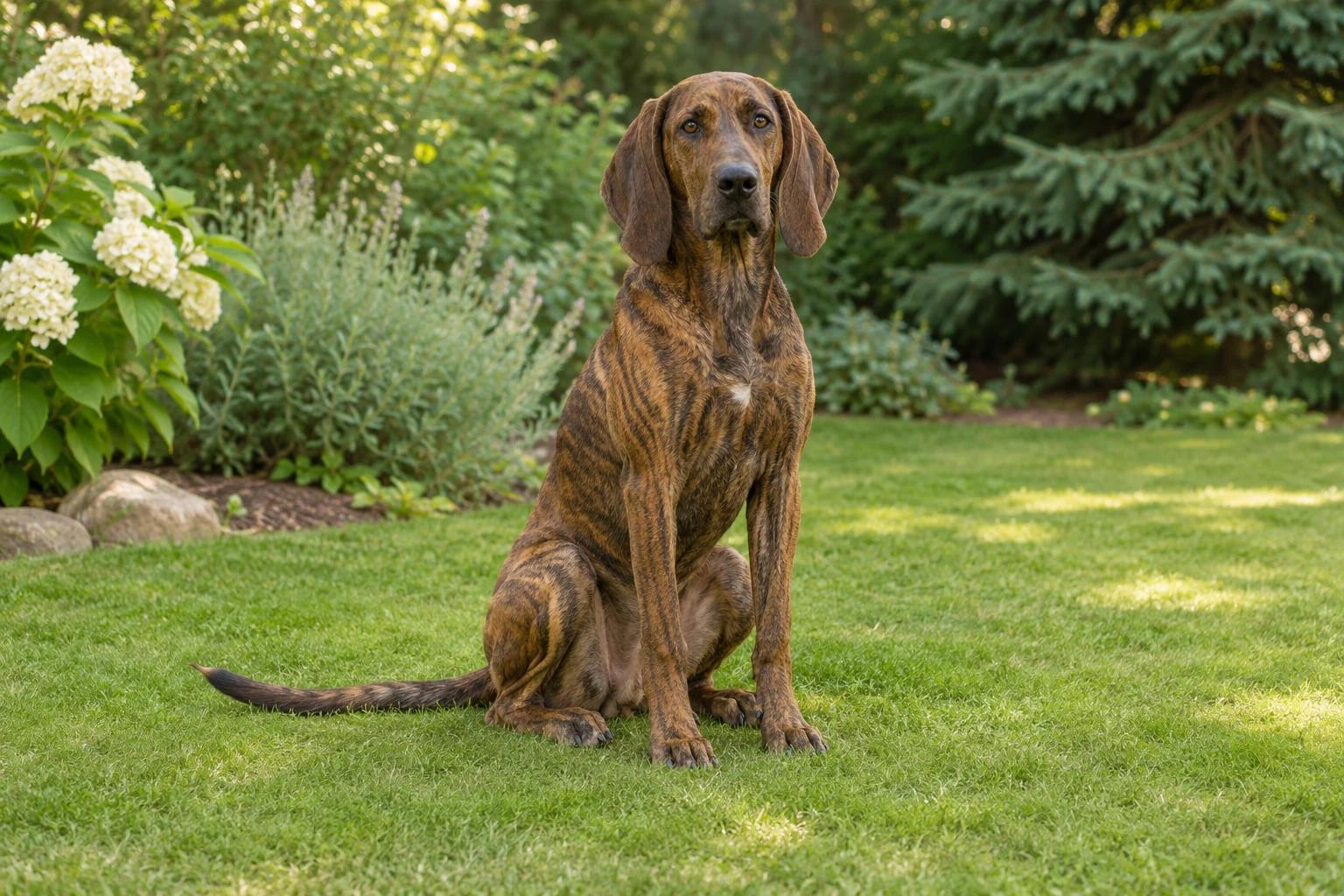
Plott Hound grooming is easiest to manage when it has a place in your return-home routine. Put the towel where you actually enter, keep the brushing kit accessible, and decide where a muddy dog can stand while you organize the next step. A modest system usually serves you better than a cupboard full of products that are difficult to find when needed.
The Plott Hound profile describes wider daily commitments. This guide concentrates on keeping ordinary coat care practical without turning an outdoor companion into a styling project.
Plott Hound grooming starts with the actual coat
The UKC standard describes a smooth-looking, glossy coat whose texture can range from fine to moderately coarse. VCA recommends routine brushing and a bath when the dog gets dirty. Use those basics to select gentle care rather than assuming every short-coated dog needs identical tools. UKC breed standard and VCA's Plott guide
Ask the current caregiver to show you the brush they use on this dog. Watch the amount of pressure and how they move around sensitive areas. If you are collecting a puppy, ask which handling experiences are familiar so you can build on them rather than introducing every task at once.
A useful initial kit may include the demonstrated coat tool, washable towels, and a non-slip surface. Add products only when you know the task they serve. Keep veterinary products separate from ordinary grooming supplies and follow professional directions for their use.
Create a return-from-outdoors station
Choose a manageable stopping point between the outside and your main living area. A washable mat, towel hook, and closed storage box can make cleanup easier. Ensure the dog is safely contained while doors are open; a grooming task should not compete with an unsecured entrance.
Before reaching for a brush, look at what needs doing. Dry dust, wet mud, and an unfamiliar substance require different decisions. Do not automatically rub everything deeper into the coat. If you cannot identify what the dog has contacted or suspect it may be harmful, ask your veterinarian for guidance.
For normal dirt, arrange the simplest appropriate cleanup and finish it calmly. Put used towels straight into a designated laundry container. Keeping the space ready for tomorrow is part of the job, not an optional extra that becomes a heap beside the door.
Share the system with other caregivers
Show a dog walker or family member where supplies live and what you want reported. A short note can explain which towel is for the dog, where the dog waits, and whom to contact about concerns. That is more useful than expecting someone to infer your routine from a crowded shelf.
Use brushing as a deliberate check-in
Plott Hound coat care does not need an elaborate performance. Choose a recurring opportunity to inspect and brush the coat, then adjust the practical routine to what you observe. Work in good light and keep the session brief enough that you can remain attentive.
Use a consistent order so you do not repeatedly work one patch while overlooking another. Pause if the dog seems uncomfortable. A coat that appears straightforward still belongs to an animal with preferences about touch, position, and the surrounding activity.
Keep notes on meaningful changes rather than scoring every session. If a new area looks different, record when you noticed it and what you were doing. A photograph can help you show your veterinarian the change without trying to describe it from memory days later.
Deal with Plott Hound shedding practically
Think about where loose hair accumulates in your home. Bedding, the car, and a favorite sofa spot may account for most of the visible cleanup. Washable covers and a realistic cleaning schedule can make those areas easier to maintain without turning brushing into a daily battle.
Clean the tool after each use. That lets you see what it collects next time and prevents a full brush from giving the impression that one session produced several sessions' worth of hair. When multiple people share grooming, agree to empty and store the equipment the same way.
Avoid promises that any routine will eliminate shedding. If hair loss changes markedly or appears alongside skin discomfort, consult your veterinarian rather than trying stronger brushes or more frequent baths as an experiment. Your job during grooming is to notice, not diagnose.
Prepare for a bath before bringing the dog in
Clear the washing area and gather towels, a suitable dog shampoo, and a stable non-slip footing. Check that you can reach everything without leaving the dog unattended in an awkward position. Consider how the dog enters and leaves the space, especially if your setup involves a raised tub.
Follow product instructions and ask a veterinary professional about selection when there is a skin concern. Avoid improvised mixtures. Work calmly, rinse thoroughly, and use a comfortable drying arrangement. If the dog is not familiar with the area, practise being there without a full bath on a separate occasion.
Afterward, clean the surface and equipment. Record anything that would improve the process next time: a towel within easier reach, a less slippery approach, or help from another adult. Many grooming frustrations are problems of setup rather than a need for more products.
Include the tasks the coat can distract you from
Learning how to groom a Plott Hound includes deciding who manages nails, ears, and dental care. Ask your veterinary team or groomer to demonstrate the relevant tasks rather than relying on a breed article for a hands-on procedure. Book professional help when that is the more reliable arrangement.
Observe visible ears without probing inside. Tell your veterinarian about unfamiliar discharge, smell, or discomfort. Keep dental instructions and appointment dates in the same care record so those jobs do not disappear behind the easier coat routine.
Practise brief, comfortable handling between appointments. For example, introduce a tool before expecting the dog to tolerate the full associated task. Stop and seek guidance if ordinary care repeatedly becomes distressing or difficult to manage.
Keep care separate from coat-color questions
A coat pattern does not tell you which household routine will work best. Focus on the dog's actual condition, handling experience, and your facilities. The Plott solid-color article addresses the separate standard question without making color a care ranking.
Use the dog match quiz if you are still comparing ownership commitments. For an existing dog, a successful grooming plan is simply one that remains clear, manageable, and responsive to what you notice over time.
FAQ
Does Plott Hound grooming require professional appointments?
Some owners manage ordinary coat care at home and delegate particular tasks. Ask a groomer or veterinary team to demonstrate anything you are unsure about. Choose appointments according to the individual dog's needs and your ability to handle the task comfortably.
Should I bathe my Plott after every walk?
Inspect what actually needs cleaning rather than automatically scheduling a full bath after each outing. Prepare an appropriate cleanup routine for normal dirt, and ask your veterinarian about unfamiliar substances or skin concerns. More products are not necessarily a better solution.
How do I keep grooming records useful?
Record dates, tasks completed, and meaningful observations in separate fields. Note changes precisely and add a photograph when helpful. Avoid turning an observation into a diagnosis; bring concerning differences to your veterinarian for assessment.
Sources behind this article
Article source checked: November 15, 2026. Source checked 2026-11-15
Keep reading

Affenpinscher Grooming: A Practical Coat-Care Routine
Read article →