Plott Hound Exercise Needs: Plan a Useful Day
Understand Plott Hound exercise needs through purposeful outings, scent opportunities, secure access, and realistic weekday planning.
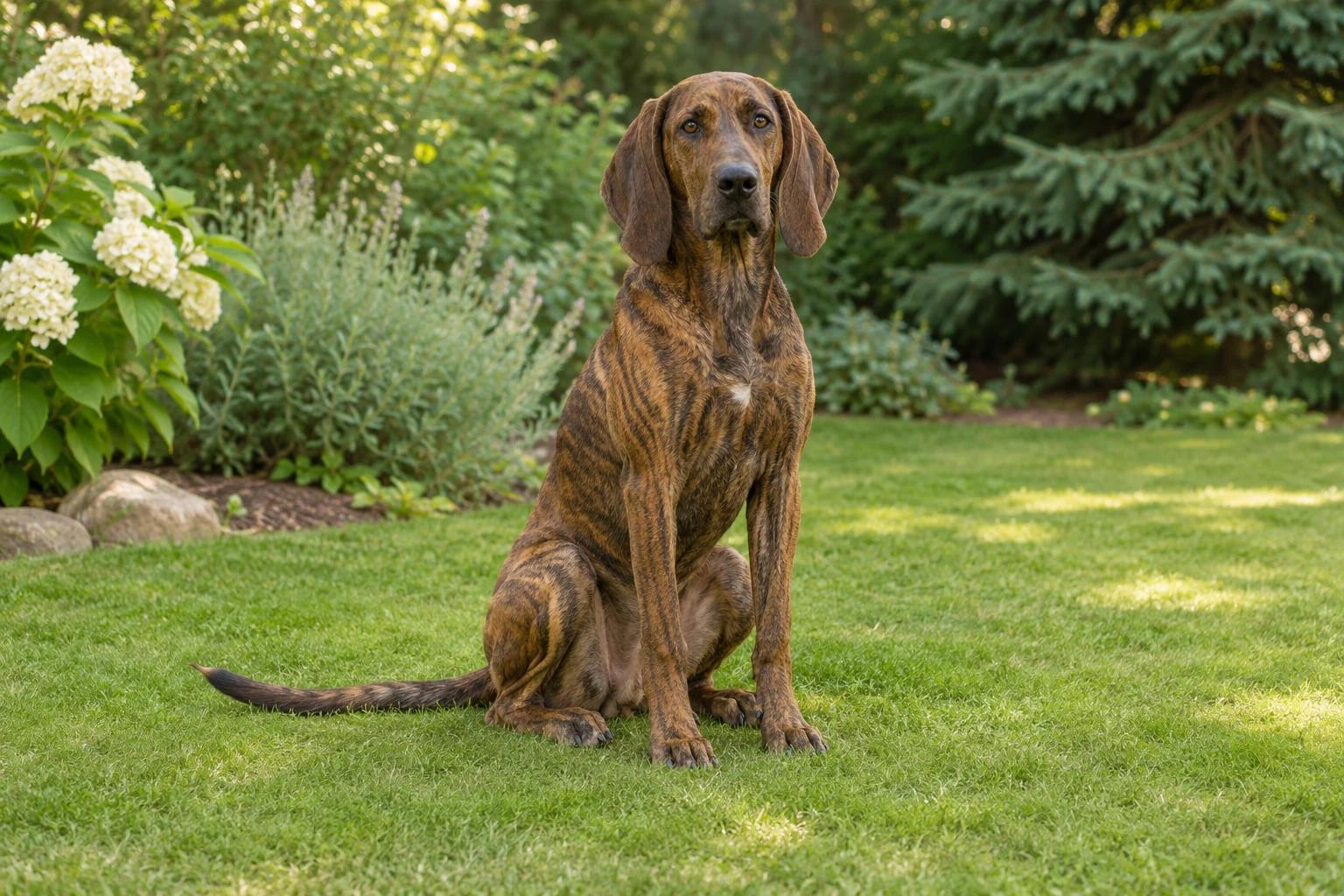
Plott Hound exercise needs are best approached as a daily planning question, not a race to accumulate distance. You need outings the dog can enjoy, arrangements you can maintain, and enough flexibility to handle ordinary disruptions. A useful routine considers where you go, what happens there, and how the rest of the day works around it.
The Plott Hound breed profile gives the broader care picture. Build from the individual dog's age, current experience, and veterinary guidance rather than assigning a demanding program solely because of its breed.
Plott Hound exercise needs: purpose before mileage
UKC describes the Plott as an active hound with endurance. VCA emphasizes exploratory outings and opportunities to investigate scents. Those points explain why a purposeful route can be more relevant than repeating an activity your dog shows little interest in. UKC Plott standard and VCA Plott guide
Start by asking what the present routine already contains. If you are adopting an adult, request a typical weekday from its caregiver. If you have a puppy or a dog with a health concern, ask your veterinarian which activities are appropriate before borrowing someone else's schedule.
There is no useful universal answer to “how much exercise does a Plott Hound need” without that context. The practical answer is a sustained plan of suitable outings and engagement, adjusted through observation rather than a fixed target imposed on every dog.
Design a route you can actually use
A Plott Hound daily walk can have a simple structure: leave in an organized way, travel through manageable surroundings, allow appropriate exploration, and return without rushing the final transition. The route should work for the handler as well as the dog.
Walk it yourself first if it is unfamiliar. Note busy crossings, narrow paths, loose dogs, livestock, and places where you could turn back. Check access rules rather than assuming an attractive trail is available for your use. Carry the equipment and water appropriate to the outing and conditions.
Make a second plan for days when the preferred route is inaccessible. An alternative nearby circuit may be more realistic than a distant destination requiring a car. Good planning reduces the chance that one closed path cancels the whole day's activity.
Leave room for decisions along the way
Do not make reaching the end of a route the only measure of success. You may need to shorten an outing because conditions changed or the dog is not coping comfortably. A route with several return options gives you choices without forcing a long journey home.
Give exploration clear boundaries
Decide where stopping to investigate is appropriate and where you need to keep moving. Practise the transition between those modes in an easy setting before expecting it beside a busy road. Use consistent cues and reward the response you want.
Secure management matters whenever an interesting scent might pull attention away from you. Check gates before using an enclosed space and inspect the practical fit of walking equipment. Ask a qualified trainer for help if you are unsure how to manage a strong pull or a challenging environment.
Do not confuse a quiet-looking landscape with a controlled training area. Open countryside can contain roads, wildlife, other animals, and boundaries you cannot see. Choose arrangements that do not depend on discovering the limits of a recall cue after the dog has already left.
Add small thinking tasks without making everything formal
A day can include brief learning opportunities between larger outings. You might practise moving to a mat, waiting while equipment is prepared, or finding an appropriate toy you have placed nearby. These are examples to adapt, not a requirement to turn every hour into a lesson.
Select one goal at a time and keep the setup simple. If the task is too difficult, change the surroundings or make the reward easier to earn. Finish while you can still see what worked, rather than adding repetitions merely because a timer has not expired.
Plott Hound activity level should therefore prompt a discussion of involvement as well as movement. Who will prepare activities, teach household skills, and notice when the routine needs adjusting? A plan that depends on one person's constant availability deserves a backup.
Protect the ordinary weekday
Put fixed commitments on paper before assigning outings. Include travel to work, school collections, appointments, and evening obligations. Then identify who is responsible for each dog-care period. “Someone will do it” is not a dependable handover.
If another person helps, share the route, equipment instructions, and current training goals. Explain which situations they should avoid and when to contact you. A clear plan is particularly useful when the helper does not live with the dog and cannot infer recent changes.
Leave space for rest rather than filling every gap with stimulation. Observe how the day unfolds after different activities, but do not assume every unsettled moment proves the dog needs more exertion. Persistent difficulty settling or a sudden behavioral change warrants individual professional advice.
Make weather and interruptions part of the plan
Check conditions before leaving and be prepared to change the activity or location. Seek veterinary guidance about exercise limits for your particular dog, especially when age, health, or unfamiliar conditions affect the decision. Do not use a breed's working reputation as permission to ignore discomfort.
Keep a modest indoor alternative ready for disrupted days: a familiar training exercise, an appropriate supervised search game, or a calm handling practice. An indoor option is a contingency, not a promise that outdoor needs disappear indefinitely.
If disruption becomes a pattern, solve the practical cause. You may need a different walking time, reliable help, or a more accessible route. Repeatedly planning an ambitious outing that never happens is less useful than a sustainable arrangement.
Review the routine with concrete observations
Record the outing, conditions, activity, and anything notable afterward. Avoid labels such as lazy or tireless. Precise notes can show what changed and help a veterinarian or trainer understand your question. Do not increase distance simply to produce an exhausted dog.
Before bringing a Plott home, use the dog match quiz to examine your daily capacity. For a separate breed-reference topic, read the Plott Hound color-standard article. Neither appearance nor an impressive working history substitutes for an achievable weekday plan.
FAQ
Is there one exercise duration for every Plott Hound?
No single duration accounts for age, health, current conditioning, and the activity itself. Ask your veterinarian about appropriate limits and use the dog's established routine as a starting point. Build a manageable plan rather than imposing someone else's mileage target.
Is a garden enough for a Plott Hound's daily activity?
A garden is a location, not a complete activity plan. Consider what the dog actually does there, whether it is secure, and what outings and engagement happen elsewhere. Discuss the specific arrangement with the breeder, rescue, or a qualified trainer.
What should I do when the usual walk is unavailable?
Use a planned alternative route or a suitable short-term indoor activity while reorganizing the day. If access problems recur, arrange dependable help or change the schedule. A repeated disruption calls for a practical solution rather than repeated promises of a bigger outing tomorrow.
Sources behind this article
Article source checked: November 15, 2026. Source checked 2026-11-15
Keep reading

Afghan Hound Exercise Needs: Build a Workable Active Day
Read article →