Pharaoh Hound vs Vizsla: Choosing Your Daily Routine
Compare Pharaoh Hound and Vizsla life through training, outdoor access, home routines, and useful questions for meeting individual dogs.
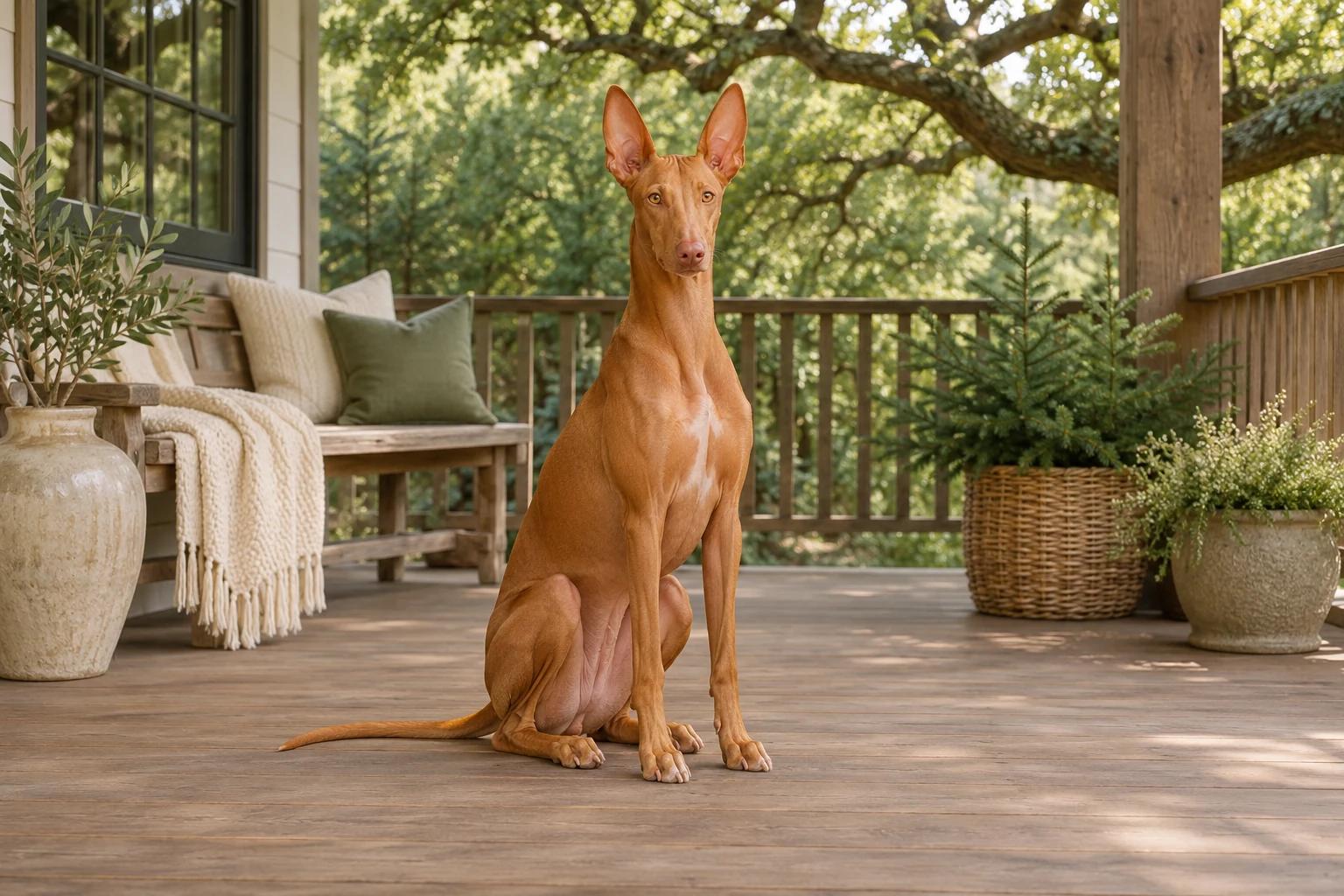
A Pharaoh Hound vs Vizsla comparison starts with two athletic, short-coated dogs, but it should end with a realistic picture of your week. Similar outlines do not mean interchangeable companions. Look beyond photographs to the activities you enjoy, the places you can use, and the kind of learning partnership you want. The decision is less about finding a winning breed than discovering which dog's everyday routine you can sustain.
Use the Pharaoh Hound profile and Vizsla profile alongside this guide. Neither description replaces meeting dogs and asking about their actual home lives.
Pharaoh Hound vs Vizsla: the useful starting difference
Dogs NSW describes the Pharaoh Hound as an alert hunter using sight and scent. VCA describes the Vizsla's pointing and retrieving background and interest in active work. That difference offers a starting point for questions about engagement outdoors, not a prediction that every dog will prefer the same game. Dogs NSW and VCA's Vizsla guide provide the breed context.
Imagine two versions of a Saturday outing. In one, you visit a securely enclosed space and work on responding to you while interesting movement happens beyond the fence. In another, you take a toy to a suitable training area and develop a controlled retrieve. Which activity sounds enjoyable enough to repeat on an ordinary Wednesday? That answer is more revealing than deciding which dog looks better beside your hiking boots.
Do not turn working background into a shortcut about obedience. A handler still needs to teach the particular task, select an appropriate setting, and notice when the lesson is too difficult. Ask owners what they enjoy doing together and what required more teaching than they expected.
Compare access before counting outings
Write down where your dog could actually exercise. A nearby park may prohibit dogs, require a leash, or lack fencing. A garden may have a gate shared with delivery drivers. A rural property may include livestock, roads, and wildlife. These are practical constraints rather than evidence that a home is automatically suitable or unsuitable.
For either candidate, walk the intended route yourself. Notice narrow pavements, busy crossings, and places where you could step aside. Think about transport to a training class and what happens when the usual exercise space closes. A credible plan includes alternatives rather than relying on one perfect location.
A Vizsla vs Pharaoh Hound decision should also include your interest in structured activities. Would you attend lessons, practise between sessions, and carry equipment? Or do you mainly want quiet, unstructured strolls? Be honest about the routine you would enjoy without needing a burst of motivation every morning.
Look for the learning style you can support
VCA's Pharaoh Hound guidance emphasizes patient, rewarding, inventive training. Use that as a prompt to ask how the individual responds to different rewards and unfamiliar surroundings. VCA's Pharaoh Hound guide
During a visit, ask to see an ordinary skill rather than a polished demonstration. How does the dog come indoors? What happens when the leash appears? Can the handler pause a game and begin it again? These small moments reveal the communication already in place and the habits you would inherit.
For a puppy, ask the breeder to explain the learning opportunities provided so far. For an adult, ask which cues are familiar and what those cues mean in practice. A dog may know a word in one room but need support in a new environment. Record the exact reward and setup, not merely the claim that the dog is trained.
Give everyone the same vocabulary
If several people share care, agree on words and boundaries before the dog arrives. Decide where greetings happen, who handles doors, and whether furniture access is invited or unrestricted. The value is consistency, not strictness for its own sake. A clear routine is easier to teach than a collection of changing expectations.
Home life matters as much as the outing
When choosing a Pharaoh Hound or Vizsla, investigate the hours between activities. Ask where the dog rests, how household movement affects that rest, and what happens during a normal departure. Do not assume an enjoyable walk answers questions about being alone or settling while someone works.
Describe your working day precisely to the breeder or rescue. Include commuting, school runs, evening commitments, and irregular shifts. Then ask which parts resemble the dog's present routine and which would need a gradual transition. Arrange practical support before assuming the dog will simply adapt to an unfamiliar timetable.
Noise also deserves direct observation. Ask what triggers vocal behavior in the individual, how long it lasts, and how the current household responds. A recording of an ordinary arrival may be more informative than a broad statement that a breed is quiet or noisy. Check building rules and nearby shared spaces yourself.
Coat, equipment, and the unglamorous budget
Both profiles describe smooth coats. That means your comparison need not revolve around elaborate styling, but everyday care still occupies time. Ask each dog's caregiver to demonstrate the equipment used, how the dog responds to handling, and which tasks they do at home versus booking professionally.
Set a budget that includes training, transport, cleaning supplies, veterinary care, and backup care. These costs often tell you more about feasibility than the price of a brush. Measure your car space and sleeping area before buying equipment; fitting the actual dog is preferable to ordering from a breed photograph.
The difference between Pharaoh Hound and Vizsla ownership may ultimately be the individuals available to you. One adult may have a well-documented routine that matches yours, while another requires changes you cannot presently make. That is a useful distinction, not a verdict on either breed.
Make the choice with evidence
Bring three questions to every meeting: What does a normal weekday look like? What currently needs work? What support comes with the placement? Request examples rather than adjectives, and take notes after the visit so enthusiasm does not erase practical details.
Use the dog match quiz to organize your priorities. For a separate look at historical naming, read the Pharaoh Hound's geographical story. Keep that history separate from the ownership decision: a memorable story cannot cover a missing daily care plan.
FAQ
Is a Pharaoh Hound or Vizsla easier for a first-time owner?
There is no dependable winner for every beginner. Compare the specific dog's training history, your access to help, and the daily routine you can provide. Ask a trainer to help assess a prospective match if you are unsure what observed behavior means.
Can appearance settle a Vizsla vs Pharaoh Hound choice?
Appearance can explain your initial interest, but it cannot establish compatibility. Meet dogs, ask about normal weekdays, and examine your exercise and care arrangements before deciding. A similar short-coated silhouette does not tell you how a dog handles your particular home.
What should I ask before choosing an adult dog?
Ask for the present schedule, known cues, handling preferences, experience alone, and situations requiring management. Request specific examples and any available records. Plan a transition around that information rather than expecting an adult dog to arrive already familiar with your household.
Sources behind this article
Article source checked: November 15, 2026. Source checked 2026-11-15
Keep reading

Affenpinscher vs Brussels Griffon: Everyday Differences
Read article →