Pekingese vs Shih Tzu: Choosing a Daily Routine
Compare Pekingese and Shih Tzu companionship, coat care, training and outing plans, with questions to ask about the individual dog.
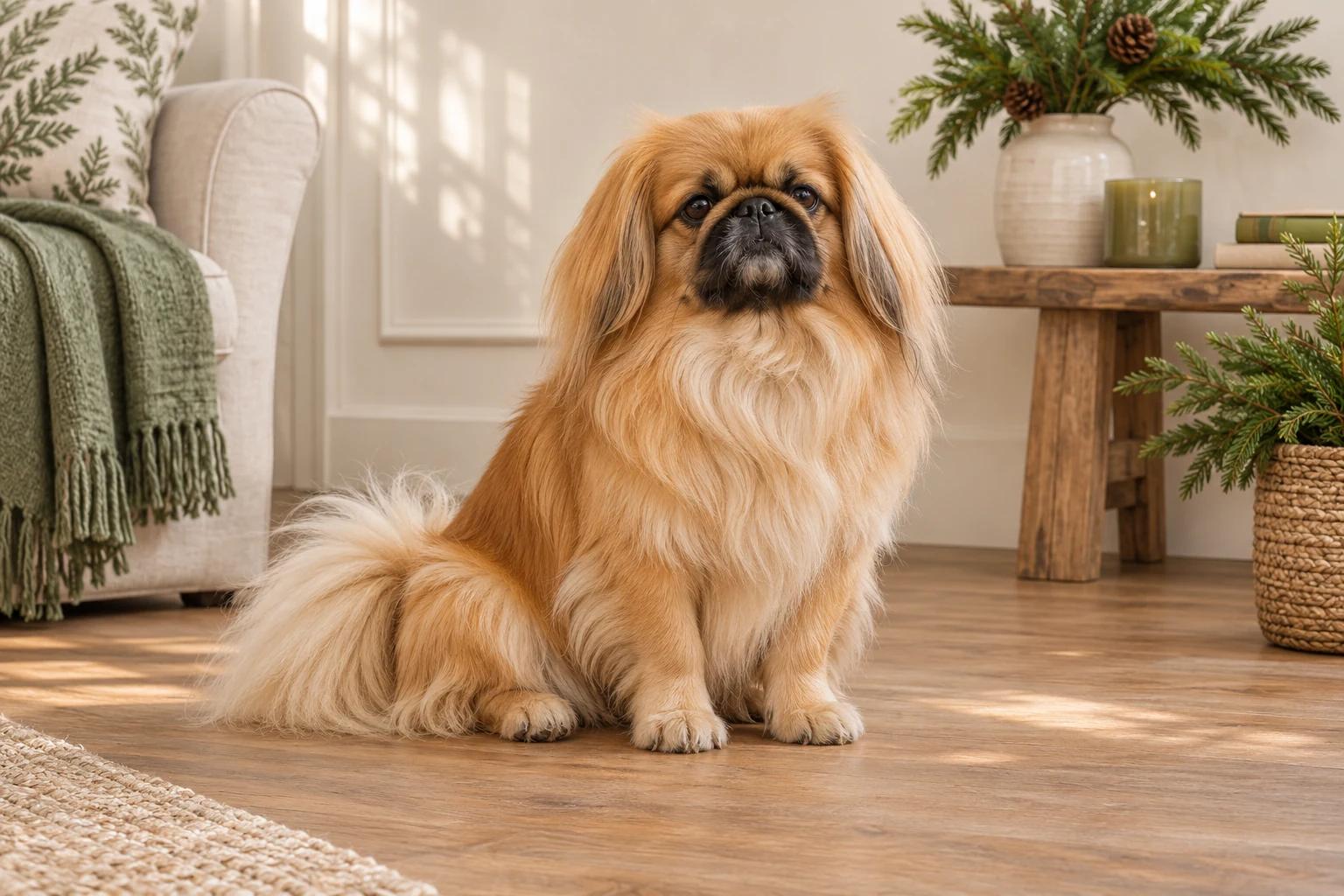
Pekingese vs Shih Tzu is less a contest between two small, long-coated dogs than a choice about the companionship and care you want in your day. Both need shared time, regular grooming and thoughtful outings. A Pekingese may appeal to someone who appreciates a more self-directed companion; a Shih Tzu may appeal to someone drawn to a playful, interactive style. Those are starting points for meeting dogs, not personality guarantees.
The best comparison includes the hours between photographs: who handles the coat, what happens when visitors arrive and how the dog spends a normal afternoon.
Pekingese vs Shih Tzu: start with the individual
VCA describes the Pekingese as independent and responsive to reward-based teaching rather than force. Its Shih Tzu account emphasizes affectionate, playful companionship and learning through food or games. These broad descriptions can help you form questions without deciding the answers before a visit.
The Pekingese profile and Shih Tzu profile both place activity in a moderate range. Neither should be chosen on the assumption that a small companion needs no walks, play or teaching. The routines may be gentler than those of a demanding sporting dog, but they still take time.
Ask how the prospective dog chooses to interact. Does it approach for contact, enjoy a game, settle nearby or prefer a pause after greeting? A caregiver who describes specific behavior is giving you more useful information than someone who simply repeats that the breed is affectionate.
Think about company rather than constant cuddling
When people compare Shih Tzu vs Pekingese, they sometimes treat “lap dog” as an entire lifestyle. It leaves out the dog's ability to move away, rest undisturbed and participate in activities other than being held.
Describe your household honestly. Is someone usually home? Are there frequent visitors? Would the dog be expected to sit beside you during long calls, or would you be able to take breaks and respond to its needs? Ask about the dog's current experience with those situations.
If you want an adult companion, request a description of a typical day, including time apart. If you are considering a puppy, ask what preparation and support you will need rather than expecting the adult breed description to apply immediately.
For either breed, create a resting place where attention is optional. Visitors can be invited to sit calmly and let the dog approach. Children need supervision and clear boundaries; a small, appealing dog is not automatically comfortable being picked up or followed around the room.
The coat belongs in the budget
VCA describes a Pekingese's long outer coat and thick undercoat, while its Shih Tzu account describes a long, dense coat that requires thorough brushing and combing. A Shih Tzu in a practical trim still needs care between salon visits. A full-coated Pekingese needs attention beneath the visible outline, not only a quick pass over the surface.
The most useful grooming comparison happens with tools in view. Ask each caregiver to demonstrate the ordinary routine. Watch how the dog is positioned and what happens when attention moves to less accessible areas. Ask about appointments, home tasks and anything the dog finds difficult.
Then consider your own preferences. Do you enjoy patient coat work, or would you reliably book professional help? Is there a suitable space in your home? Could someone else maintain the routine when you travel?
The difference between Pekingese and Shih Tzu grooming is not adequately captured by counting minutes from someone else's schedule. Coat length, condition, handling experience and the maintenance approach all affect the work you will actually do.
Plan outings around comfort
Both breeds have short faces. PDSA advises avoiding prolonged or highly energetic exercise and hot conditions for flat-faced dogs; discuss suitable activity with your veterinarian.
Imagine the outing you most want to share. A relaxed exploration with easy opportunities to return home is a different proposition from a long, exposed hike. If your ideal companion must keep pace with demanding outdoor exercise, neither breed should be selected simply because it looks portable when tired.
Ask about the individual's current walking routine. Where does the dog go, at what pace and in what conditions? What makes the caregiver shorten an outing? An ordinary walk, when appropriate, may tell you more than watching excitement at the appearance of a lead.
Keep your own expectations flexible. The purpose is an enjoyable shared experience, not making the dog complete the route you originally imagined.
Training and household manners
Choosing a Pekingese or Shih Tzu does not remove the need to teach everyday skills. Think about comfortable handling, approaching when called indoors, waiting while a door is managed and settling when a game ends.
During a visit, ask the caregiver to show one familiar cue and explain the reward used. You are not administering an obedience exam. You are learning how the dog communicates and what previous teaching has looked like.
If you are new to training, look for a reward-based professional who can help with practical goals. Avoid framing independence as a reason for confrontation. A useful lesson should be clear enough for the dog to succeed, and a difficult situation may need a different setup rather than stronger pressure.
Compare your routines too. A person who enjoys frequent brief games may prefer a different individual from someone who mainly wants calm company while reading. The breed name narrows the research; it should not overrule what you observe.
Make a decision from ordinary evidence
Bring the same short list to both visits: care routine, time apart, handling, outings and veterinary history. Ask for records where appropriate and have your veterinarian help you interpret health information. Neither a reassuring appearance nor an appealing personality establishes future health.
Look at the practical arrangements before settling on the visual choice. Identify a groomer, a veterinary practice and backup care. Work out where the dog will rest and how it will get outside. This makes the comparison concrete instead of leaving it as a preference between two portraits.
The existing guide to Pekingese size-label expectations addresses listing language separately. For this decision, keep the focus on the daily companion you are meeting. The dog match quiz can help organize your priorities, but the final choice should reflect the individual dog's needs and your ability to meet them.
FAQs
Is a Pekingese more independent than a Shih Tzu?
Breed descriptions often emphasize Pekingese independence and Shih Tzu playful companionship. Use those tendencies to guide questions, not to predict an individual. Ask how the dog seeks attention, responds to handling and spends quiet time at home.
Which breed requires less grooming?
Both require a real coat-care plan. The dog's coat condition, length and chosen maintenance approach affect the workload. Observe an ordinary grooming routine and discuss professional support before deciding which feels more manageable.
Are either of these breeds suitable for long hot walks?
Avoid long hot walks. Ask your veterinarian about suitable activity and choose outings you can shorten when conditions change.
Which breed is better with children?
A breed label cannot establish that a particular dog is comfortable or safe with children. Assess the dog's history and behavior, supervise interactions and provide a quiet retreat. Teach children to respect the dog's choice to move away.
Sources behind this article
- VCA Animal Hospitals: Pekingese ↗
- VCA Animal Hospitals: Shih Tzu ↗
- PDSA: Flat-faced Dogs, Advice for Owners ↗
Article source checked: November 15, 2026. Source checked 2026-11-15
Keep reading

Affenpinscher vs Brussels Griffon: Everyday Differences
Read article →