Parson Russell Terrier Exercise Needs: A Daily Plan
Plan walks, exploration, learning and rest around Parson Russell Terrier exercise needs, without relying on a fixed mileage target.
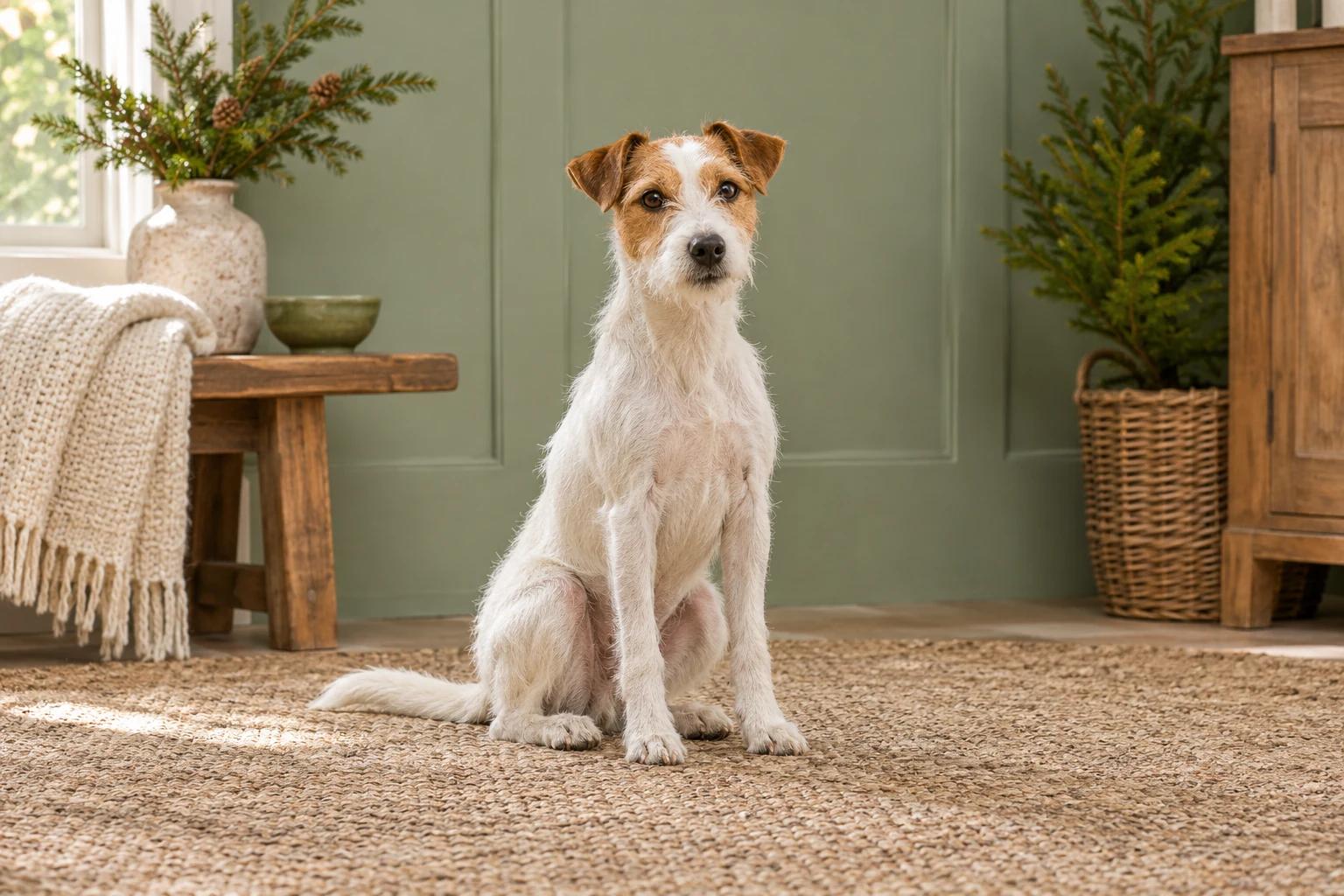
Parson Russell Terrier exercise needs deserve a prominent place in your calendar. This is a small dog with a substantial appetite for activity, not a small commitment that can be fitted around whatever time remains. A useful plan combines outings, exploration and learning with the practical ability to come home and rest.
The question is not how far you can walk on your most enthusiastic weekend. It is whether you can provide a satisfying routine on a wet workday, when an appointment runs late or when your favorite route is unavailable.
Parson Russell Terrier exercise needs go beyond distance
The Parson Russell Terrier Association of America describes an energetic terrier shaped by hunting work. VCA also emphasizes activity, mental engagement and instincts to chase and dig. These are reasons to plan purposeful outlets and secure management, not instructions to recreate hunting or exhaust the dog every day.
The Parson Russell Terrier profile places activity high among the breed's everyday demands. Treat that as a question about your lifestyle. Would you enjoy being outside with a dog that notices movement and wants to investigate? Can you make time for teaching alongside the walk?
A route measured in miles leaves out pace, terrain, interruptions, weather and the dog's age and condition. Two outings of equal length can be very different experiences. Discuss suitable activity with your veterinarian, especially before introducing strenuous work or changing an established routine.
Build a day from useful pieces
Start by writing down the opportunities you can reliably provide, not an ambitious total. An early outing might cover toileting, sniffing and a little attention practice. A later session could provide more exploration. An evening game might focus on finding a familiar toy, followed by a clear finish.
These are building blocks, not a universal schedule. Assign each one to a person and a realistic time window. If “someone will do the afternoon walk” is your plan, it is not yet a plan you can depend on.
Leave room for rest between activities. Do not interpret every movement toward a toy cupboard as proof that the dog needs another strenuous game. A routine can include shared quiet time and a resting place away from household traffic, rather than making entertainment available without an end.
Keep a backup version for days when normal arrangements fail. That might mean a trusted walker, a different accessible route or a suitable indoor activity paired with necessary outdoor breaks. The backup should be prepared before you need it.
Make the daily walk more than a march
A Parson Russell Terrier daily walk can include different purposes without becoming chaotic. Choose where you will move steadily and where you can allow investigation. Use equipment that fits the dog and gives you appropriate control for the setting.
Before entering a narrow stretch, look ahead. If a squirrel is moving along the fence or another dog is approaching, you can change direction or create space while the situation is still manageable. Waiting until the lead is tight removes useful options.
Try describing the walk afterward in terms of what happened. “Quiet lane, several sniffing stops, calm return” is more informative than “completed the usual loop.” Over a week, those notes may show which routes are useful and which repeatedly create frustration.
You need not make every outing novel. Familiar routes can make it easier to judge changes and practice known skills. Add variety where it serves the dog, not because a map application makes a repeated path look unimpressive.
Secure space is a management tool, not automatic exercise
A garden offers possibilities, but opening the back door does not tell you what the dog will do outside. Check boundaries, gates and access points, and supervise rather than assuming that fencing ends the discussion.
If you use a hired enclosed field, inspect it before releasing the dog. Check for gaps, other users, litter and features that do not suit your dog. “Enclosed” is a description to verify, not a promise to accept without looking.
Bring a clear activity idea. You might practice finding a toy in an easy area, walk the perimeter together or work on a familiar recall at a manageable distance. End the session deliberately rather than waiting for an escape attempt or an argument over a toy to decide when you leave.
Keep wildlife and other animals out of the activity plan. Do not encourage chasing as a way to provide exercise. If your dog becomes intensely focused on movement, a qualified trainer can help you build more workable alternatives.
Choose challenges that fit the dog you have
The Parson Russell Terrier activity level can appeal to someone interested in organized training. Before committing to a sport, observe an introductory class and ask how beginners are prepared. You want a setting that teaches skills progressively, not one that measures enthusiasm by immediate speed or height.
Tell the instructor about the dog's experience and discuss physical suitability with your veterinarian. Puppies, older dogs and dogs returning from a problem need individualized guidance. A breed's athletic reputation does not establish readiness for a particular exercise.
At home, keep challenges simple enough that you can explain them. Hide a familiar toy in an obvious location while the dog waits with a helper, then invite a search. If the dog is confused, make the hiding place easier. The purpose is shared problem-solving, not winning a contest against your own dog.
The existing article on the Parson Russell Terrier's working shape provides background on breed structure. It should not be used as a fitness test or a reason to imitate historical work.
Review the routine rather than chasing a quota
How much exercise does a Parson Russell Terrier need? Enough appropriate activity and engagement for the individual, provided consistently, with room to recover and settle. A precise universal duration would conceal the differences that matter most.
Review what you can sustain and how the dog responds. Note unusual reluctance, a change in movement or difficulty recovering and bring concerns to your veterinarian. Do not automatically respond to restlessness by adding more intensity; the daily setup may need a different balance or professional behavioral help.
If you are deciding whether to bring one home, use the dog match quiz alongside a candid look at your week. The best fit is someone who wants the daily participation, not merely the image of an athletic companion.
FAQs
Is one long walk enough for a Parson Russell Terrier?
One long walk does not describe the whole day. Consider opportunities to toilet, investigate, learn, interact and rest. The appropriate balance depends on the individual dog and your circumstances, with veterinary guidance for physical limits.
Does a Parson Russell Terrier need a garden?
A garden can be useful, but it does not replace supervised outings or engagement. Secure access, a realistic exercise plan and opportunities to explore matter more than assuming outdoor space will entertain the dog by itself.
Can I exercise a Parson Russell Terrier off lead?
Only consider release where it is permitted and the setting and dog's skills make it appropriate. Chase instincts require careful management. Use secure arrangements while training rather than testing recall for the first time around wildlife.
What should I do on a disrupted workday?
Use a prepared backup such as a trusted caregiver and an alternative outing plan. Keep necessary outdoor breaks and suitable engagement in the day. Avoid expecting a dog to compensate for an empty weekday with one intense weekend session.
Sources behind this article
- VCA Animal Hospitals: Parson Russell Terrier ↗
- Parson Russell Terrier Association of America: Breed History and Standard ↗
Article source checked: November 15, 2026. Source checked 2026-11-15
Keep reading

Afghan Hound Exercise Needs: Build a Workable Active Day
Read article →