Otterhound vs Bloodhound: the everyday ownership choice
Compare Otterhound vs Bloodhound through coat care, cleanup, vocal habits, scent interests, and the everyday demands of living with a large hound.
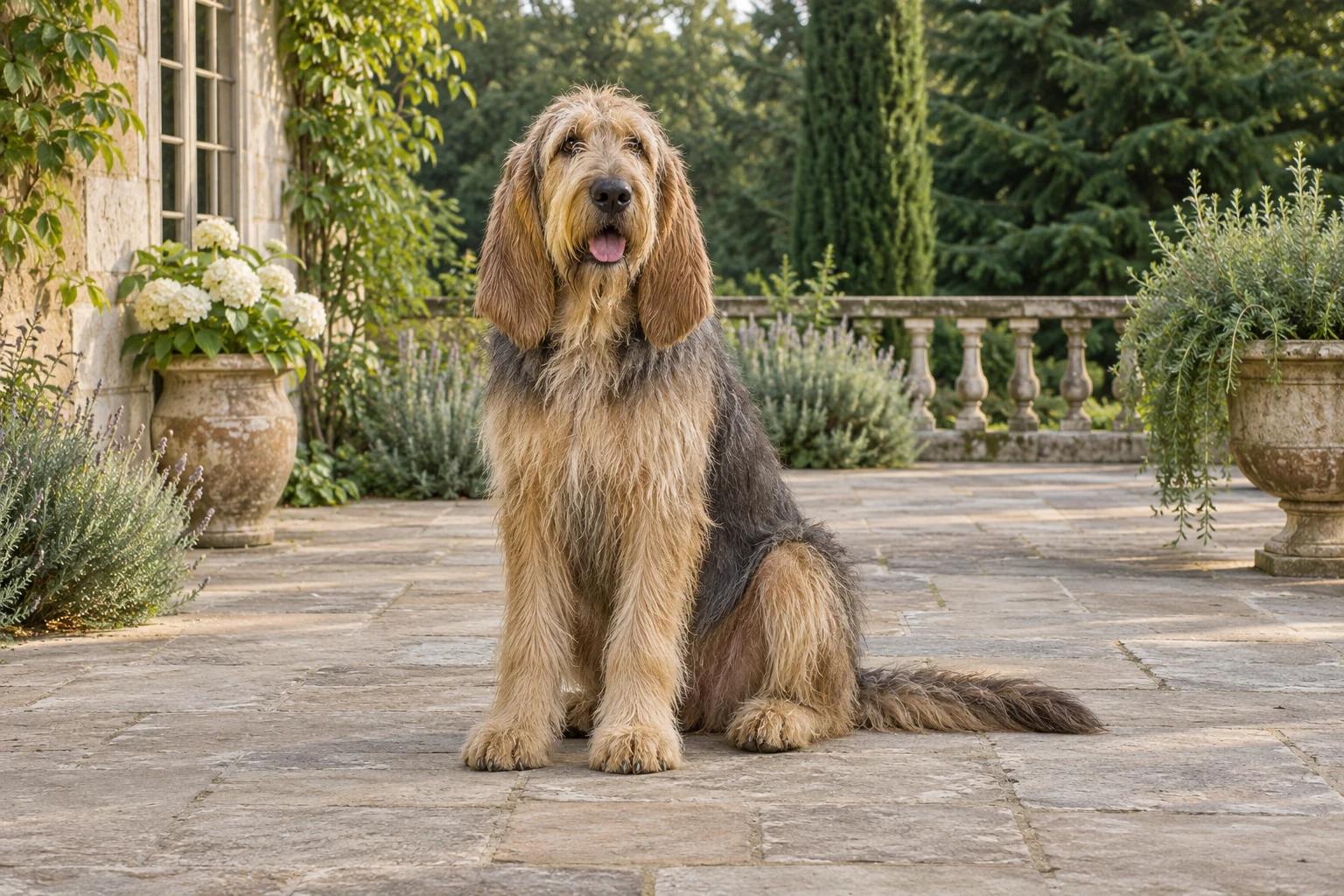
Otterhound vs Bloodhound is a comparison between two substantial hounds, not between a working nose and a dog without one. Both can make scent a major part of an outing. The more useful differences appear in coat care, household cleanup, and the kind of company you want. Before choosing, picture the dog coming through your front door after a wet walk, not just standing in a handsome breed photograph.
Read the Otterhound profile and Bloodhound profile together. They provide the starting point for questions about actual dogs rather than a contest with one universal winner.
Otterhound vs Bloodhound: start with the shared commitment
The AKC’s Bloodhound introduction contrasts a comparatively placid off-duty character with persistence on scent. VCA’s Otterhound account likewise describes an independent hound whose interest in scent requires sensible outdoor management. A relaxed dog in the house may become very focused outside.
For either breed, plan how you will handle the lead, doors, gates, and travel. These are not occasional details to resolve after a dog follows an interesting smell. They are part of choosing a large hound in the first place.
A practical test is to walk your usual route while imagining where you could step aside with a substantial dog. Narrow gates, crowded corners, and steep entrances may matter more to daily comfort than a small difference in adult measurements.
The coat is an obvious difference; the cleanup is broader
The Otterhound has a rough double coat and a beard. The Bloodhound has a smooth coat. That is the clearest visible difference between Otterhound and Bloodhound, but “smooth” is not the same as “no housekeeping.” The Bloodhound profile also highlights drooling and regular shedding.
The Otterhound Club of America specifically notes the tendency for things to collect in the coat and beard. VCA describes water being carried from the bowl in the beard. If you choose an Otterhound, a washable feeding area and accessible towels are sensible parts of the household setup.
Compare the work you would actually tolerate. Would you rather maintain a rough coat and manage a wet beard, or deal with the shorter coat and drool associated with a Bloodhound? Neither question has a morally better answer. Honest preferences prevent daily irritation from becoming part of the relationship.
Visit adult dogs in an ordinary home if possible. Notice the water area, bedding, and entrance after an outing. A spotless show photograph cannot demonstrate what either routine feels like on a weekday evening.
Do not choose either for silence
Both breed profiles give substantial emphasis to vocal behavior. The Otterhound club describes a deep bay that carries. If a hound voice is charming to you but unacceptable to your neighbors, that disagreement needs resolving before you bring the dog home.
Ask caregivers what prompts vocalizing: excitement, another dog, people arriving, or time apart. Ask what the dog does after the trigger has passed. Those answers help distinguish a manageable household routine from a situation that may not fit your housing.
A Bloodhound vs Otterhound comparison should not end with an unsupported claim that one will be quiet enough for your apartment. Shared walls, lift journeys, outdoor access, and the individual’s experience all matter. Check the practical setting instead of hoping that affection will compensate for a serious mismatch.
Make room for the nose without abandoning manners
With either dog, decide where sniffing is welcome and where you need a short, cooperative transition. A pavement crossing is not the same task as investigating a quiet verge. A clear distinction helps you organize the walk without treating every pause as disobedience.
Ask a prospective trainer how they work with scent-focused dogs. Look for a plan that begins in manageable settings, rewards useful responses, and accommodates the dog’s interests. Avoid choosing a class solely because it promises rapid results for every breed.
The Otterhound club lists activities including tracking, rally, and nosework. These can be enjoyable projects, but a title is not required for a satisfying companion life. What matters is that you enjoy doing things with the dog rather than seeing training as a brief obstacle before ownership becomes effortless.
For the historical vocabulary specific to the Otterhound, see the existing scent-terms article. That background is separate from deciding how to structure a modern walk.
Compare the individual’s social routine
Both profiles describe interest in people, but no breed summary settles compatibility with your household. Ask how the dog handles a visitor entering, someone moving food, or another dog approaching its resting area. Request examples from recent life rather than a general claim that the dog likes everyone.
For homes with children, supervise interactions and provide an undisturbed retreat. For resident pets, discuss the actual animals and arrange introductions around their needs. Being friendly with people does not establish compatibility with cats or small animals.
Consider scale when planning greetings. A hound does not need to be behaving aggressively to knock something over in a narrow hall. Give visitors somewhere to put bags and coats before the introduction, and teach the dog a greeting routine that leaves enough space.
Choose the version of hound life you want
An Otterhound may appeal if the rough-coated, bearded companion and its associated cleanup genuinely suit you. A Bloodhound may appeal if you prefer the smooth-coated hound and are prepared for its own daily care demands. Neither should be chosen as a shortcut around training, activity, noise planning, or veterinary care.
When deciding between an Otterhound or Bloodhound, compare the information available about each candidate: adult relatives, present routine, handling experience, parent screening records, and support after placement. Ask your veterinarian to interpret health documents rather than using breed reputation as a guarantee.
Write down your non-negotiables before meeting puppies. If silence, minimal cleanup, or effortless off-lead walks are essential, this comparison may point you away from both breeds. The dog match quiz can help you reconsider priorities without forcing a choice between two unsuitable options.
FAQ
Is an Otterhound just a shaggy Bloodhound?
No. They are distinct breeds. The Otterhound’s rough double coat and beard create a different care routine from the Bloodhound’s smooth coat, even though both share substantial size and a strong interest in scent.
Which breed needs less household cleaning?
There is no universal answer. Otterhound owners plan for coat debris and a wet beard; Bloodhound owners plan for shedding and drool. Meeting adult dogs in everyday homes gives a better comparison than judging coat length alone.
Is either an easy off-lead choice?
Do not select either breed on that expectation. Scent can become highly compelling. Use secure management and develop training progressively rather than assuming an affectionate or relaxed dog will stay close outdoors.
Sources behind this article
- VCA Animal Hospitals: Otterhound ↗
- American Kennel Club: Bloodhound ↗
- Otterhound Club of America: Life with an Otterhound ↗
Article source checked: November 15, 2026. Source checked 2026-11-15
Keep reading

Affenpinscher vs Brussels Griffon: Everyday Differences
Read article →