Otterhound temperament: an amiable hound with opinions
Understand Otterhound temperament through company, independence, vocal habits, introductions, and the practical realities of a substantial hound.
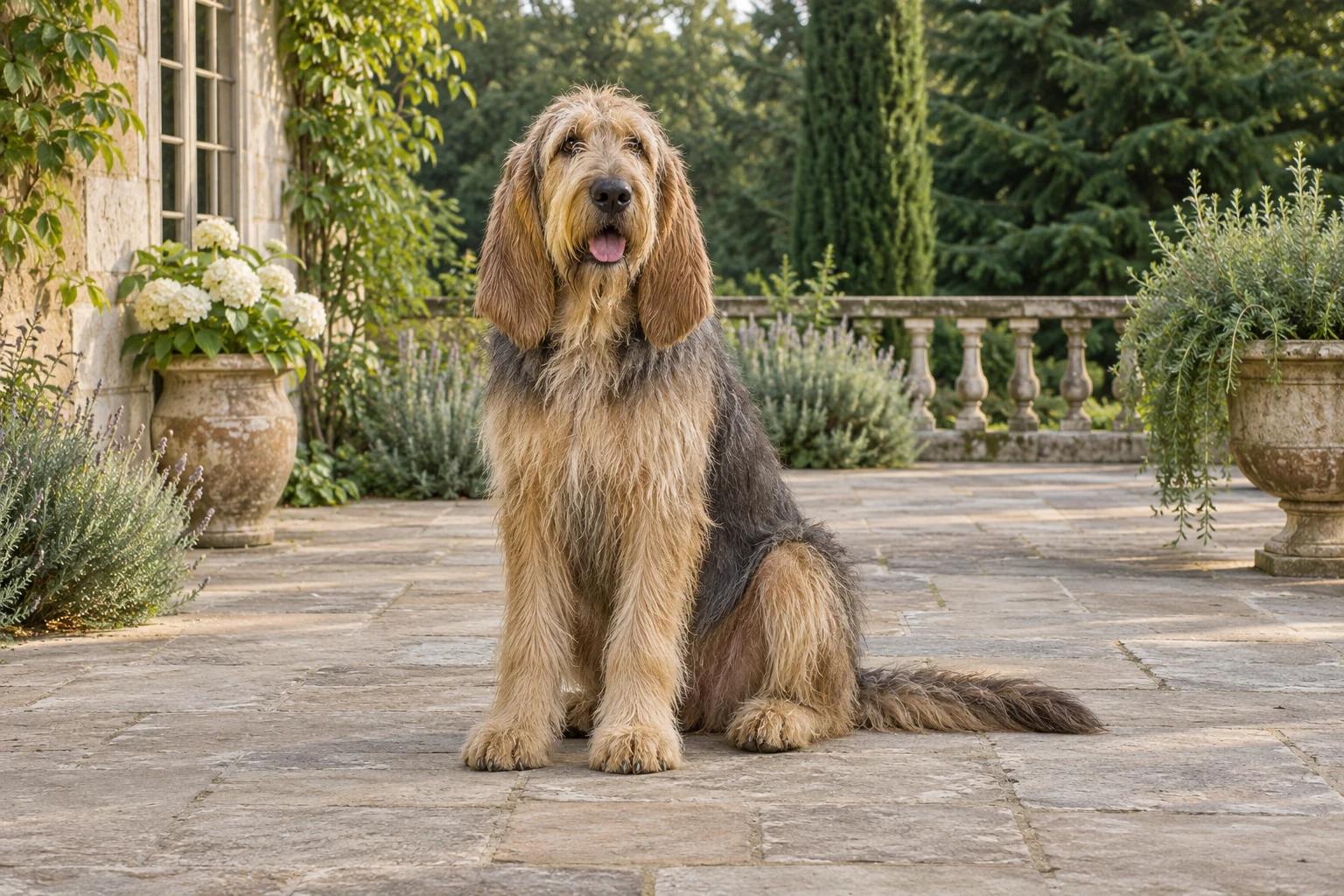
Otterhound temperament combines an approachable reputation with the practical independence of a scent hound. It is a mistake to confuse easygoing company with automatic obedience, or an endearing face with a small household presence. This is a substantial dog whose voice, outdoor interests, and enthusiasm need to fit the people living with it. The best match is someone who enjoys the whole hound, not just the appealing parts of its portrait.
The Otterhound breed profile introduces its care needs. Here, the focus is on reading personality in everyday situations before and after the dog comes home.
Otterhound temperament at home and outside
VCA’s breed account describes an amiable but independent dog, with scent a strong outdoor interest. The Otterhound Club of America adds an unmistakable feature of household life: a deep, carrying bay. Those characteristics deserve as much attention as affection when assessing a match.
Ask to see a dog in more than one setting. A relaxed visit in a familiar room does not show how it responds near an interesting hedge, at a gate, or while waiting for an outing. Equally, a burst of excitement at the start of a walk does not describe every hour of the day.
Look for the transitions. How does the dog move from greeting to resting, or from investigating to walking with its person? Ask what is already reliable and what still needs practice. Useful answers acknowledge both strengths and unfinished work.
Amiable does not mean physically unobtrusive
An Otterhound personality can feel pleasantly informal, but a large dog still needs a workable route through the house. Place beds and water bowls where people will not repeatedly step over the dog. Give it space to turn without brushing past a table crowded with fragile objects.
The beard also makes everyday contact distinctive. An affectionate visit shortly after a drink may involve a damp greeting. The club notes that the coat and beard collect debris, so a casual attitude toward a little cleanup helps. This is not a personality flaw to train away.
Think about what you genuinely enjoy. If spontaneous closeness is welcome but a wet muzzle on work clothes is frustrating, create a practical routine before leaving for the office. Keep towels available and give the dog an alternative place to settle while you get ready.
Teaching comfortable manners is compatible with enjoying the breed’s character. You can welcome company without allowing the dog to crowd a doorway, push into a seated guest, or treat every kitchen task as an invitation to investigate the counter.
Take the voice seriously before choosing
The Otterhound’s bay is not a minor detail for sound-sensitive housing. Ask to hear adult dogs when possible, and discuss what sets off the particular dog you are considering. A brief recording cannot tell you how frequently a dog vocalizes, but it may correct an unrealistic idea of its volume.
Consider the places where noise would matter most: a shared stairwell, a small garden beside a neighbor’s window, or a room used for calls. Good planning starts with those actual constraints, not a promise that training will make any hound silent.
At home, notice patterns. Does vocalizing begin when preparations for a walk take too long? When another dog passes a window? When everyone leaves? Each situation calls for a different investigation. The word “noisy” is less useful than describing what happened immediately before the sound.
If vocalizing accompanies distress or a sudden behavioral change, seek professional help, including your veterinarian where appropriate. Do not assume every sound is merely a charming breed trait that requires no attention.
Independence is a reason to teach clearly
Among Otterhound characteristics, independence often gets translated into “stubborn.” That word can stop useful thinking. Instead, ask whether the dog understands the request in this setting and whether you have made responding worthwhile.
A dog that turns toward its person in the kitchen may not manage the same response beside an intensely interesting smell. Choose an easier place to practice, reward the response, and build gradually. There is no need to turn a distraction into an argument about who is in charge.
Use the dog’s actual interests when planning shared activity. A toy search, an exploratory walk, or a beginner class may be more engaging than repeating the same exercise until both of you are bored. Keep expectations specific: “walk with me through this gate” is clearer than expecting generalized good behavior everywhere.
Secure outdoor management remains part of ownership while training develops. An affectionate relationship is not evidence that the dog will abandon every scent to return. Check gates and use appropriate walking equipment rather than relying on emotional closeness as containment.
Social life requires individual information
Ask about the dog’s experience with other dogs, cats, visitors, and household bustle separately. A friendly greeting to a person does not answer questions about another species or about sharing a resting place.
Plan introductions so there is room to pause. Avoid putting a new dog into a narrow entrance with several people reaching toward it at once. Let visitors settle first, then arrange a calmer meeting. A substantial dog and an excited welcome can fill a small space very quickly.
Children need supervision, and the dog needs a retreat that remains undisturbed. Do not assign a child responsibility for managing a powerful dog on the basis of its amiable reputation. Match handling tasks to the actual dog and the adult support available.
For a resident dog, consider separate feeding and rest from the outset. Sharing can be introduced thoughtfully where appropriate; it should not be demanded as proof that the dogs like one another.
Make the commitment concrete
Before deciding, write down who will provide company, outings, training, and cleanup on a normal weekday. Include the person who will cover care if your usual routine changes. The Otterhound is a more convincing choice when everyone accepts the voice and physical presence, not when one enthusiast expects the rest of the household to adapt later.
The historical scent-terms article explores a separate part of the breed’s background. Use the dog match quiz for household priorities, then investigate the actual dog. Otterhound behavior makes more sense when you observe the whole routine rather than relying on a single flattering adjective.
FAQ
Is an Otterhound easygoing?
Breed accounts describe an amiable character, but easygoing does not mean fully trained or unobtrusive. Ask how the individual handles greetings, rest, outdoor distractions, and changes in routine before deciding whether it suits you.
Are Otterhounds quiet companions?
Quietness should not be an expectation when choosing this breed. The breed club describes a deep bay that carries. Consider your housing and ask what prompts vocalizing in the actual dog.
Does independence mean an Otterhound cannot learn?
No. Clear, rewarding practice can build useful skills. Start in manageable settings and increase difficulty gradually rather than interpreting distraction as proof that the dog is incapable or deliberately difficult.
Sources behind this article
Article source checked: November 15, 2026. Source checked 2026-11-15
Keep reading

Airedale Terrier Temperament: What Everyday Life Can Feel Like
Read article →