Plan an Old English Sheepdog groom beyond the top layer
Understand why an Old English Sheepdog’s tidy outer coat is not the whole grooming job, and prepare a practical home-and-professional maintenance plan.
A fluffy finish does not describe the whole job
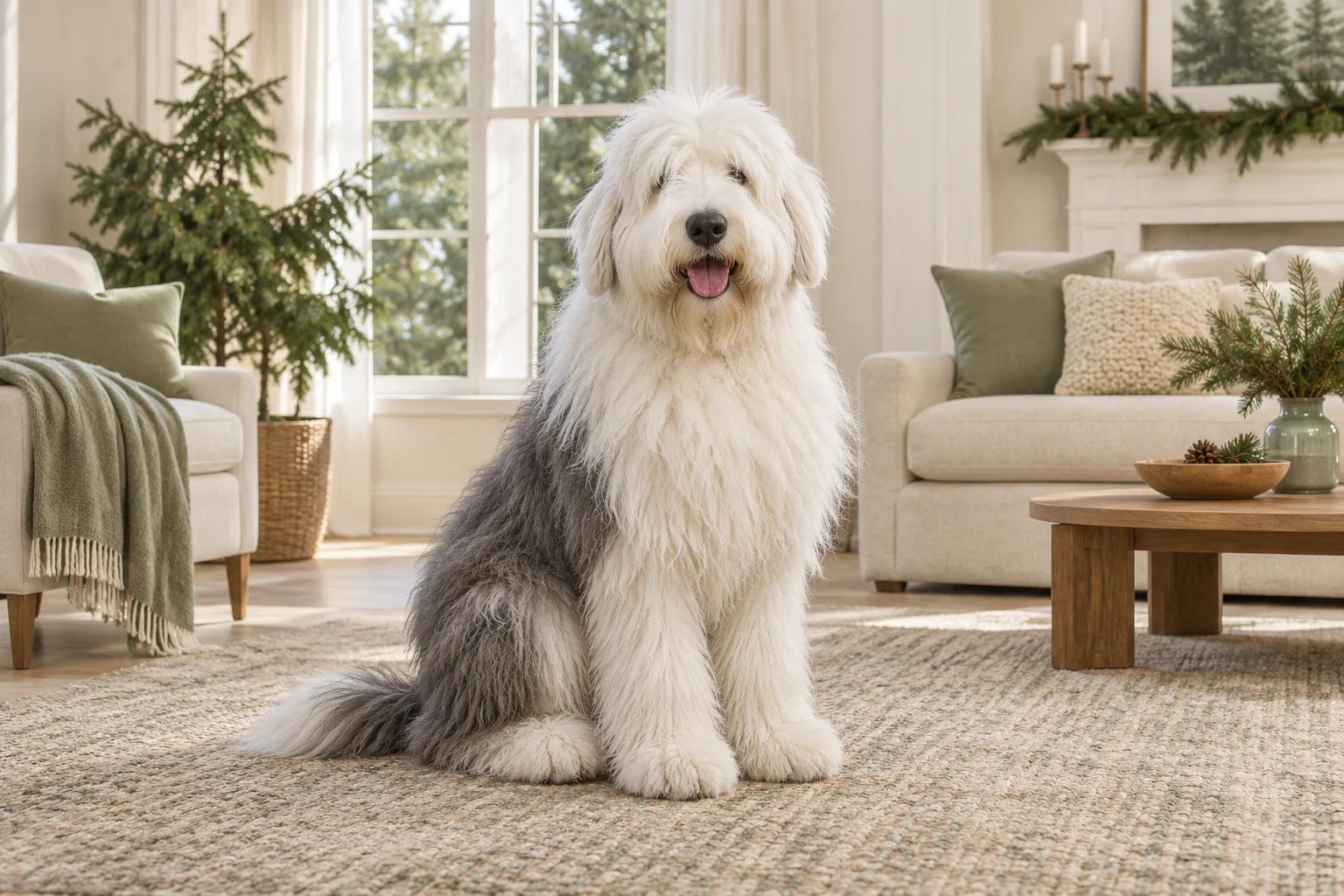
An Old English Sheepdog can look freshly brushed while the owner remains unsure whether the entire coat received attention. AKC's breed guidance describes a double coat requiring thorough grooming through to the skin across the body. A few passes over the visible surface are not the same task as maintaining that full coat.
This is a useful distinction before bringing an OES home, not just after a difficult grooming appointment. Ask a professional familiar with the breed to show what thorough maintenance involves on an actual dog. Watching the work and discussing its duration gives a clearer picture than judging the commitment from a finished photograph.
Ask for a demonstration and a division of work
AKC's general coat guidance describes line combing as working section by section. Treat that as vocabulary for a consultation, not enough instruction to force a comb through a resistant area. Ask the groomer to demonstrate a suitable method, tools and comfortable handling for your dog's coat and current condition.
Then agree which tasks you will do between appointments and which require professional help. Ask how to recognize a section that needs more attention, when to stop and what changes should prompt a call. If grooming hurts or the skin looks irritated, seek veterinary advice rather than trying to finish at any cost. Have difficult mats assessed professionally; do not improvise cutting close to the skin.
Build a routine that can actually be maintained
A useful plan includes more than an appointment date. It identifies who checks the coat at home, how missed sessions will be handled and when the groomer should reassess the arrangement. A full coat is a continuing responsibility, so discuss a manageable presentation rather than choosing a photograph first and discovering the workload later.
For example, two adults may each assume the other has combed the less visible areas because the dog's back looks tidy. A simple record of what was completed and what needs help prevents that assumption from becoming the routine. The aim is comfortable, thorough care shared clearly between owner and professional. This article helps prepare that conversation; it does not replace a hands-on grooming lesson or supply a universal schedule for every OES.
Sources behind this article
Article source checked: October 20, 2026. Source checked 2026-10-20
Keep reading
Miniature Poodle grooming: plan beyond the haircut
Read article →