Nova Scotia Duck Tolling Retriever vs Boykin Spaniel
Compare Toller and Boykin Spaniel activity, size, coat care and learning needs to choose the sporting companion that fits your routine.
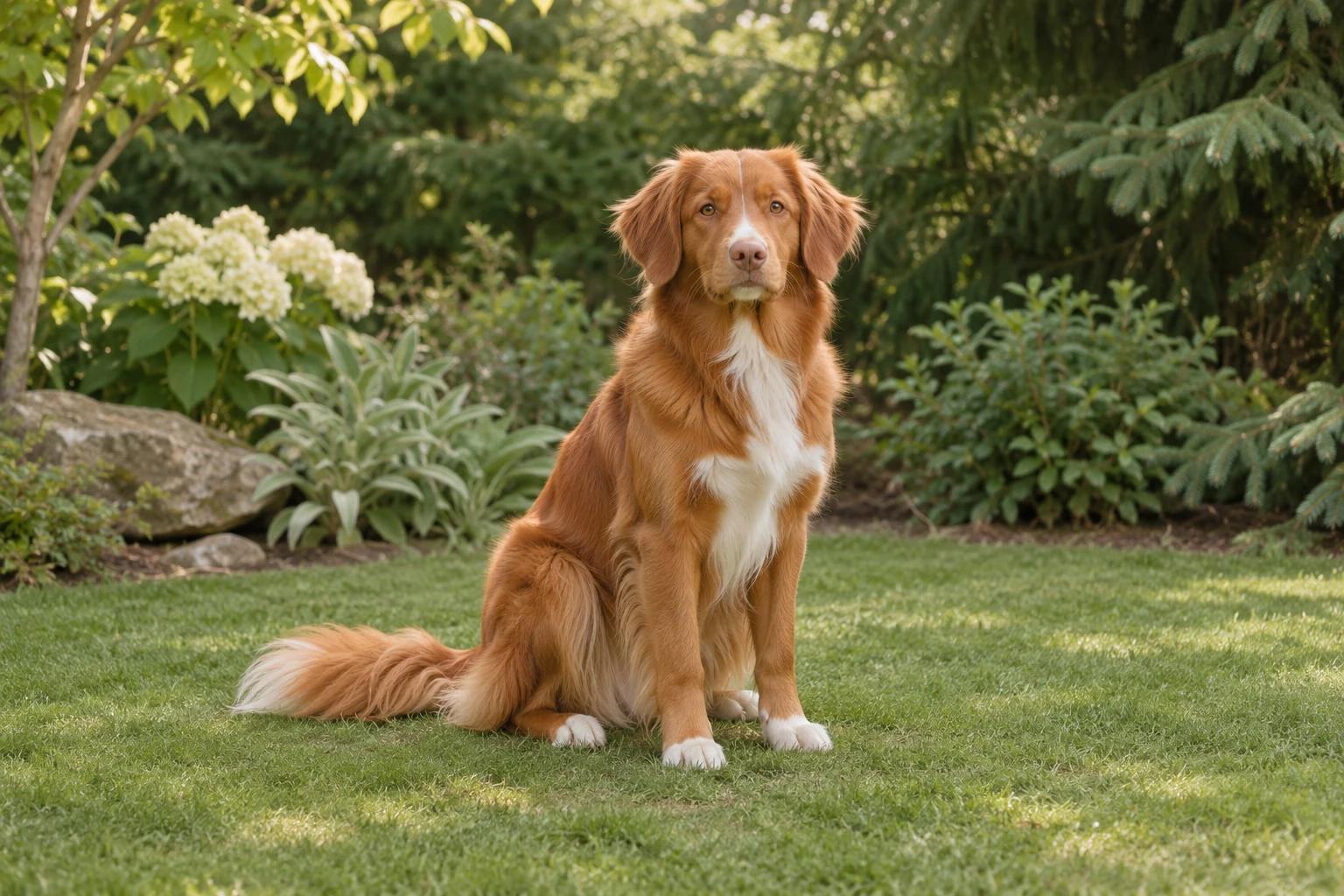
Explore the
Nova Scotia Duck Tolling Retriever
Background, care, and everyday considerations.
View breed profile →Nova Scotia Duck Tolling Retriever vs Boykin Spaniel is a choice between two sporting dogs that need more than a garden and occasional weekend adventures. The Toller is the more demanding activity prospect in the My Breed Atlas profiles; the Boykin remains an active companion, not the low-effort alternative. The useful comparison is how each dog's working interests and daily care would fit into the life you already lead.
Start with the Toller profile and Boykin Spaniel profile. Then compare actual routines, not just red and brown coats.
Nova Scotia Duck Tolling Retriever vs Boykin Spaniel: the key split
The Toller club's standard emphasises retrieving motivation and a dog ready for activity. AKC describes the Boykin as a medium-sized flushing and retrieving spaniel. Both have working backgrounds, but the labels do not mean they will approach every game in an identical way. Toller breed standard, AKC Boykin Spaniel.
For someone choosing a companion rather than a hunting partner, the important question is what happens between outings. Can you offer learning as well as movement? Do you enjoy practising a skill until it becomes clear? Is there time to clean up and settle after the activity, or does your plan stop at the end of the walk?
The profiles give the Toller higher activity and mental-engagement ratings than the Boykin. Treat that as a meaningful scheduling distinction, while remembering that a particular Boykin may still be more than your household wants to manage. Choosing the less demanding of two active breeds is not the same as choosing a sedentary dog.
Compare a weekday before comparing a weekend
Write down the day you have the least spare time. Include commuting, meals, school runs, meetings and care for other animals. Now place the dog's outings and learning opportunities in the remaining gaps. Assign a person to each rather than assuming someone will be available.
The Toller club's buyer-education page specifically asks prospective owners to consider daily exercise, training time, daytime care and available space. Those are practical questions to answer before being persuaded by a clever retrieve or a striking portrait. Toller buyer education.
In a Boykin Spaniel vs Nova Scotia Duck Tolling Retriever comparison, avoid building the Boykin's plan from whatever time is left after deciding a Toller would be too much. Give the Boykin its own complete schedule. A dependable outing, shared learning and time with its people still need to exist on the calendar.
A household that actively wants a training project may find the Toller's intensity appealing. A household seeking an active spaniel should investigate Boykins in ordinary home settings. Neither conclusion should depend solely on the breed name.
Size affects logistics, not just floor space
The profiles list Tollers at 18 to 21 inches for males and 17 to 20 inches for females. Boykins are generally shorter, with listed heights of 15.5 to 18 inches for males and 14 to 16.5 inches for females. These are reference ranges, not guarantees for a puppy.
Think about your car, the sleeping area and the person handling the lead. A smaller adult may be more convenient in a particular space, but activity and behaviour can matter more than the last few inches. Measure equipment for the actual dog instead of ordering from a generic medium-size category.
For travel, count the entire kit: bedding, secure restraint, water, towels and whatever is needed after an outing. The sporting-dog lifestyle often occupies more space than the resting dog itself. Test your planned arrangement before assuming that every family trip can accommodate it.
Coat care follows the outing home
The Toller has a medium double coat, while the Boykin profile describes a wavy double coat. VCA notes the Boykin's feathering and the need to keep it free of burrs and tangles. That makes an after-walk check worth including in your time budget. VCA Boykin Spaniel overview.
The difference between Nova Scotia Duck Tolling Retriever and Boykin Spaniel grooming is not captured by asking which looks less fluffy. Meet an owner or groomer who can show you what they check after a muddy outing. Ask what is done at home and what needs a professional appointment.
The Boykin has a higher grooming-frequency rating in My Breed Atlas, but both require routine attention. Neither coat should be chosen on the assumption that water, mud and shed hair will somehow stay outdoors. A washable resting area and an organised cleanup space are useful household decisions for either dog.
Learning and social life
VCA describes Boykin learning in terms of positive, varied engagement. That supports a practical approach: choose clear tasks and make the work worthwhile rather than repeating commands until everyone is frustrated. It does not mean a Boykin arrives trained or that its working instincts disappear indoors.
For either breed, ask to see a familiar skill and then ask how it was taught. A polished demonstration is interesting, but the explanation tells you what ownership involves. Find out how the dog responds when the session ends and how it handles a day with a changed routine.
Discuss the household's actual people and animals. If visitors are frequent, ask about greetings. If another dog lives with you, discuss introductions and separate rest spaces. General sociability should not replace individual information or supervision with children.
Noise also deserves realistic questions, but it should not dominate this comparison. Our separate article on Toller household noise expectations covers that subject. Do not assume either breed is silent from one quiet visit.
Which choice fits your plans?
If you are weighing a Nova Scotia Duck Tolling Retriever or Boykin Spaniel, choose the care pattern you genuinely want, not the one you hope to tolerate. A Toller merits serious consideration when regular activity and teaching are central to your plans. A Boykin merits the same careful assessment when you want an active spaniel and can support its daily routine.
Ask caregivers for examples from an unremarkable week, including a rainy day and a busy workday. Those examples can reveal whether your expectations are realistic. Use the dog match quiz to identify any gaps, then return to the individual dog and its documented history before deciding.
FAQ
Which breed generally needs more activity?
The My Breed Atlas profiles rate the Toller higher for activity and mental engagement. Boykins still need an active routine. Compare your weekday availability with the individual dog's current needs rather than assuming the lower-rated breed requires little work.
Is a Boykin Spaniel smaller than a Toller?
Boykins are generally shorter in the breed-profile height ranges, though individual dogs vary. Measure the adult or ask for reliable growth information when choosing equipment. Do not use a broad size category as a substitute for fit.
Which breed is easier to groom?
The Toller has the lower grooming-frequency rating in My Breed Atlas, but both have double coats that need regular care. Boykin feathering deserves particular attention after outdoor exploration. Ask for a hands-on demonstration of each dog's established grooming routine.
Sources behind this article
- Nova Scotia Duck Tolling Retriever Club USA: Breed Standard ↗
- Nova Scotia Duck Tolling Retriever Club USA: Buyer Education ↗
- American Kennel Club: Boykin Spaniel ↗
- VCA Animal Hospitals: Boykin Spaniel ↗
Article source checked: November 15, 2026. Source checked 2026-11-15
Keep reading

Affenpinscher vs Brussels Griffon: Everyday Differences
Read article →