Nova Scotia Duck Tolling Retriever exercise needs
Plan Toller exercise around active outings, purposeful retrieving, learning, rest and a weekday schedule that can support this energetic breed.
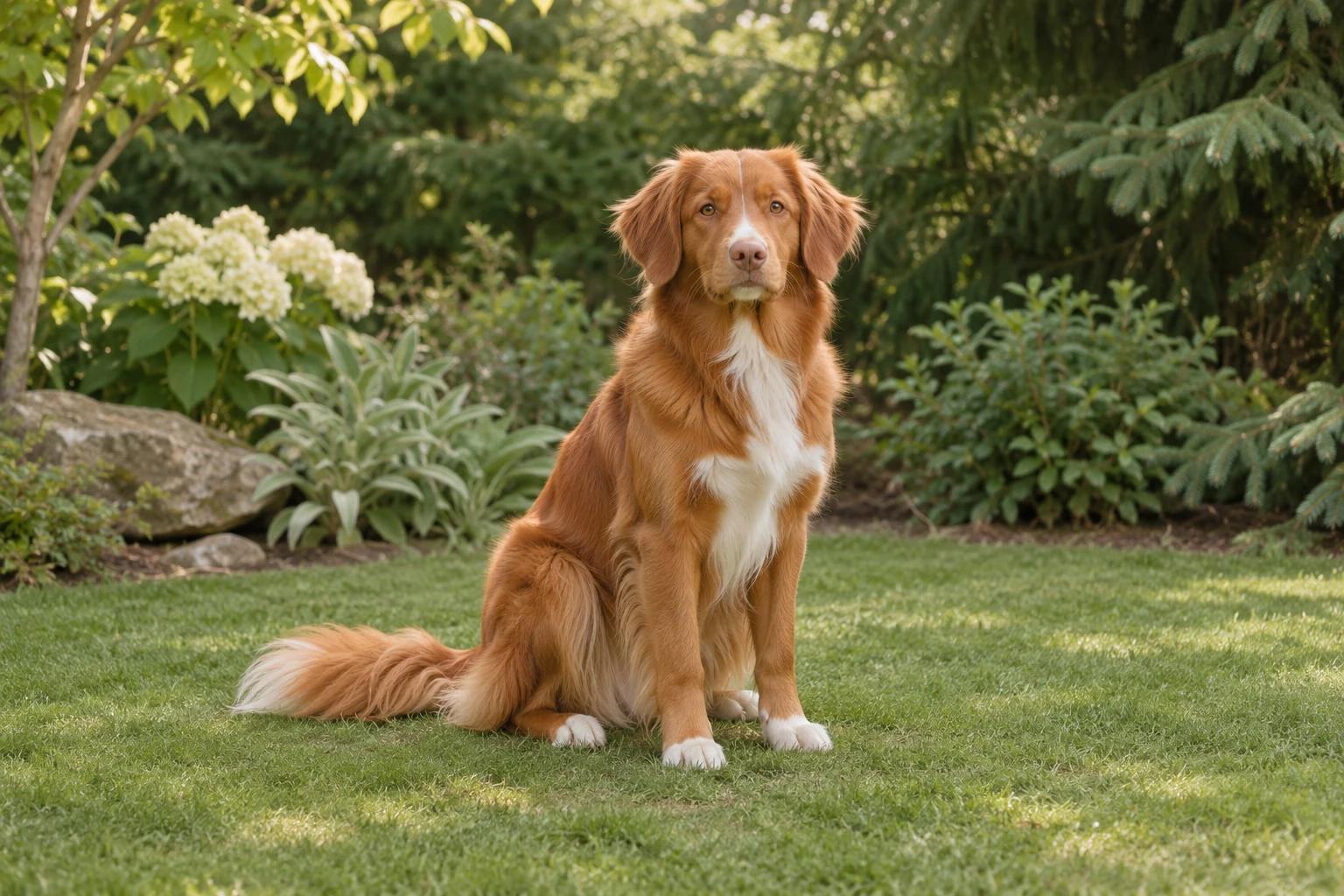
Explore the
Nova Scotia Duck Tolling Retriever
Background, care, and everyday considerations.
View breed profile →Nova Scotia Duck Tolling Retriever exercise needs deserve a serious place in your calendar before you choose the breed. A Toller is not simply a smaller version of a relaxed companion that will be satisfied with a quick circuit of the block. The My Breed Atlas profile places activity at the top of its reference scale and highlights mental engagement as well. Plan for an active daily partnership, not occasional efforts to wear the dog out.
The Toller breed profile provides the broader care context. The challenge is translating that context into a routine you can repeat on working days.
Nova Scotia Duck Tolling Retriever exercise needs in real life
The breed club's buyer-education page asks prospective owners to think explicitly about daily exercise, room to provide it, training and daytime care. Those questions are more valuable than selecting a breed and hoping the schedule will work later. Toller buyer education.
If you are asking how much exercise does a Nova Scotia Duck Tolling Retriever need, begin with the commitment rather than a stopwatch. The profile describes a day with substantial activity, extending beyond a couple of hours across the day. That is a planning signal, not a prescription for continuous running or a quota to impose on every dog.
Age, current fitness, health, weather and the kind of activity all matter. Ask your veterinarian about an appropriate plan for the individual, particularly before introducing demanding exercise. A puppy's day, an adult's established routine and a senior dog's outings should not be treated as interchangeable.
Give the day more than one kind of work
A useful plan includes movement, exploration, learning and rest. These are not competing options from which you choose only the most tiring. They serve different purposes and can be arranged in a way that suits the dog and the household.
For example, a morning outing might include comfortable walking and time to investigate, while a later session focuses on a familiar retrieving skill in secure space. Another part of the day may involve learning a small handling task or searching for a familiar toy indoors. These are planning examples, not a fixed exercise programme.
Write down what you actually did and how the dog behaved afterwards. Note the setting as well as the duration. A stimulating new route and a familiar quiet route are different experiences even when they take the same time. That record can help you discuss the routine with a trainer or veterinarian if it is not working well.
Retrieving should be a shared skill
AKC's breed introduction emphasises the Toller's enthusiasm for retrieving. That is a reason to think about how you will structure games, not to take the breed's enthusiasm as a command to keep throwing indefinitely. AKC Toller overview.
A practical retrieve contains several teachable parts: moving toward an object, picking it up, returning and releasing it. You can work on one part without repeatedly sending the dog across a field. For example, a short return to your side can become a clear shared task before distance is added.
Choose appropriate equipment and a secure, suitable surface. Avoid turning every session into the longest throw you can manage. Put the equipment away at a planned stopping point and allow time for a quieter transition. The dog offering another toy does not, by itself, mean you need to extend the session.
If you want to explore a sport, observe a class and ask the instructor what preparation is needed. Choose instruction suited to the dog's stage rather than copying advanced work from a competition video. You and the dog are learning a sequence, not auditioning for an impressive clip.
Make the daily walk useful
A Nova Scotia Duck Tolling Retriever daily walk can be more than a distance total. Think about where the dog can explore calmly, where you need close lead handling and where a short familiar skill can be practised without disrupting other people.
Consider a route with a quieter beginning instead of starting at the busiest park entrance. Build in opportunities to pause and look around. A walk that includes careful observation can tell you more about the dog's comfort than one focused entirely on covering ground.
Secure management still matters. A retrieving background does not make an untested recall dependable around wildlife, traffic or unfamiliar dogs. Use appropriate leads and enclosed areas, and follow local access rules. Do not create a difficult recall test simply because the last few outings went well.
Rest belongs in the plan
The Nova Scotia Duck Tolling Retriever activity level is a genuine commitment, but constant availability for games is not the goal. Provide a comfortable place to rest and a predictable way for an activity to end. Give the household a shared understanding of when play equipment is put away.
Try separating your working area from the storage place for outdoor toys. If every glance at your desk also reveals the retrieve bag, you may be making the next game unusually prominent. A small change in organisation can make your intended routine clearer without relying on repeated instructions.
If the dog has difficulty settling despite a considered routine, do not automatically add more intense activity. Review the whole day, including novelty, sleep opportunities and possible discomfort, with an appropriate professional. Restlessness alone does not identify the missing ingredient.
Prepare for bad weather and busy weeks
A plan that works only in pleasant weather is incomplete. Identify alternative places and low-impact indoor learning activities before you need them. Keep expectations realistic: a brief puzzle does not automatically replace all the outdoor activity your adult dog normally needs.
For workdays, decide who provides care and exactly what the handover includes. The person arriving midday needs to know what happened earlier, what equipment is used and whether anything unusual was noticed. A shared note is more useful than assuming each person will judge the whole day's exercise from one greeting.
Leave time after outings for cleanup and a comfortable transition indoors. If your schedule allows only the walk itself, the routine may become rushed. This is especially relevant when outdoor play involves water or muddy ground; the return home is part of the commitment.
Check fit before making the promise
Ask current owners to describe ordinary weeks rather than their most adventurous days. Consider whether you want this much involvement when work is demanding or travel plans change. Use the dog match quiz to identify where your expectations and available time may differ.
For a separate consideration, read Toller household noise expectations. Exercise is one part of daily life, not a guarantee about temperament, quietness or compatibility. A thoughtful routine gives you a practical starting point for meeting the individual dog's needs.
FAQ
Is one short walk enough for an adult Toller?
A short toilet walk alone does not match the breed profile's high activity expectations. Plan substantial daily engagement that includes outings and learning. Ask a veterinarian to help tailor the physical component to the dog's age, condition and health.
Does a Toller need endless fetch?
No. Retrieving can be a useful shared activity, but more throws are not automatically better. Teach clear parts of the game, choose appropriate conditions, stop deliberately and include other kinds of engagement and rest in the day.
Can a Toller exercise plan stay the same throughout life?
No. Growth, ageing, fitness, health and weather can change what is appropriate. Review the routine with your veterinarian when circumstances change, and use observations of the individual rather than treating a breed description as a permanent daily quota.
Sources behind this article
- Nova Scotia Duck Tolling Retriever Club USA: Buyer Education ↗
- American Kennel Club: Nova Scotia Duck Tolling Retriever ↗
Article source checked: November 15, 2026. Source checked 2026-11-15
Keep reading

Afghan Hound Exercise Needs: Build a Workable Active Day
Read article →