Norwegian Lundehund shedding: a manageable coat routine
Plan Norwegian Lundehund shedding care with gentle brushing, a natural coat, practical cleanup and useful groomer handover notes.
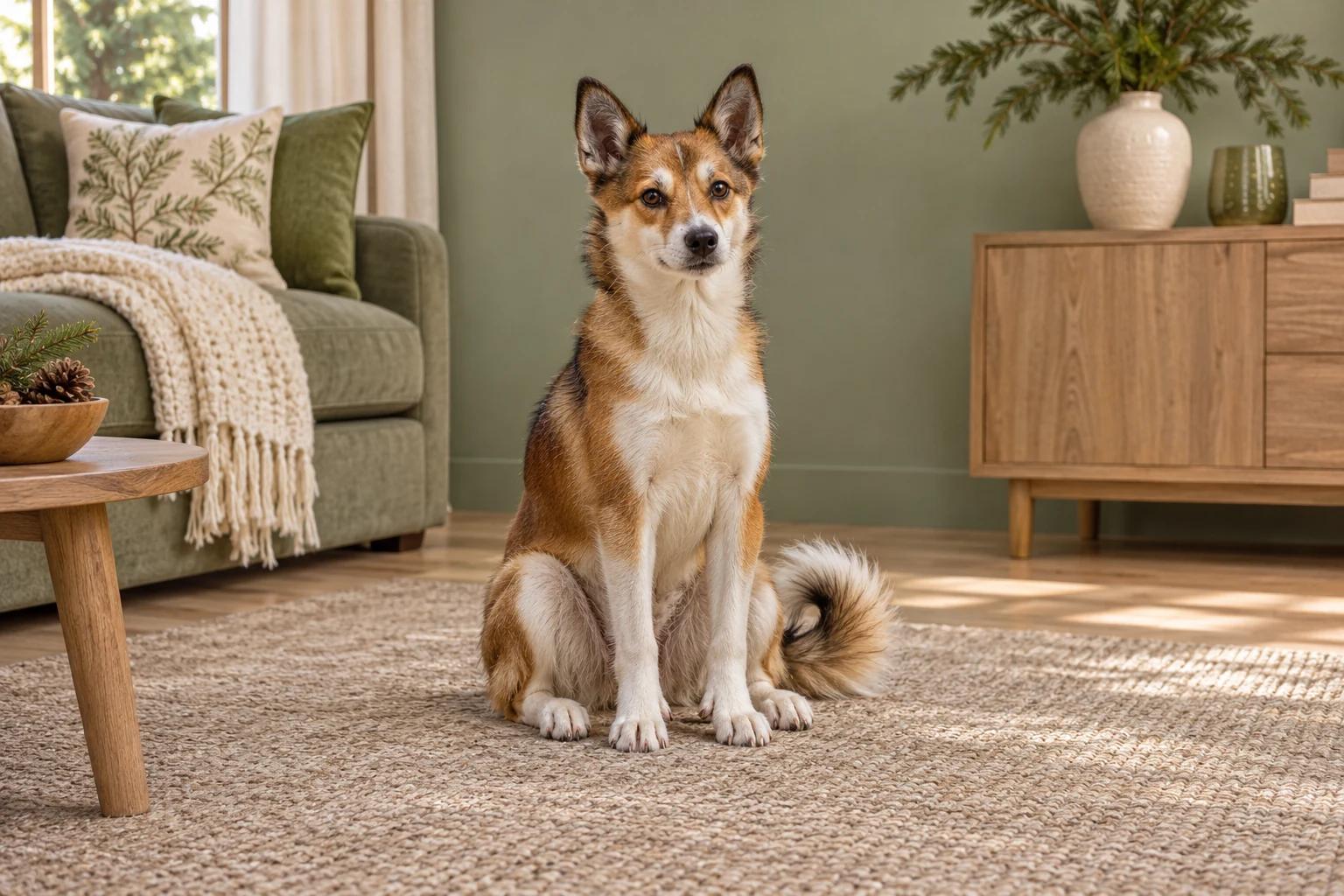
Norwegian Lundehund shedding belongs in the everyday ownership plan even though the breed does not call for an elaborate hairstyle. Its double coat needs regular attention, and loose hair still has to go somewhere. The useful goal is not a permanently hair-free home. It is a routine that removes loose coat gently, makes changes easy to notice, and fits into the week without becoming a struggle.
The Norwegian Lundehund profile suggests brushing once or twice weekly as an ordinary starting point. Use that as a planning reference, then respond to the actual coat rather than treating the calendar as a rule that cannot change.
Norwegian Lundehund shedding and the two coat layers
The AKC standard describes a harsh outer coat over a dense, soft undercoat. The coat is shorter on the head and fronts of the legs, with more length around the neck and backs of the thighs. It is presented naturally, without trimming. Official Norwegian Lundehund standard.
Those differences explain why running a brush over the back is not the same as checking the entire dog. When planning Norwegian Lundehund coat care, think in small areas rather than a single sweeping task. A short session around the body can be followed later by a gentle check of the thicker areas.
AKC's general double-coat guide explains that undercoat shedding can become more noticeable during seasonal changes and that regular brushing helps remove loose fur. It also advises against shaving a double coat as a routine solution. AKC double-coat care.
You do not need to predict an exact month or a precise volume of hair. Notice what is normal for your dog over time. A household record of brushing and coat changes will be more useful than a photograph of another owner's collection of loose fluff.
Set up a small grooming station
Choose somewhere with good light, a nonslip surface and enough room for the dog to move comfortably. Floor-level grooming can be easier to arrange than lifting a small dog onto furniture. Keep the equipment together so that a planned short session does not turn into an extended search for a missing comb.
Ask the breeder or an experienced groomer to demonstrate tools on your Lundehund's coat. Have them show the pressure and direction they use, not merely name a brush. A tool that looks effective in a video may be too large or too forceful in an inexperienced hand.
A practical kit can stay simple: the recommended brush, a comb if the groomer advises it, towels, and a bag for loose hair. Label any products so different caregivers know what they are for. Buying several aggressive deshedding tools is not a substitute for learning one comfortable technique.
A repeatable session without a battle
If you are learning how to groom a Norwegian Lundehund, start with a dog that can comfortably stay in the chosen area. Let it inspect the equipment. Touch a small, easy section of coat and reward a calm response before beginning a longer session.
Work through a modest area, pause, and check how the dog is doing. Do not make the amount of hair in the brush your measure of success. A session that ends with the dog relaxed and willing to return is more useful than extracting every last loose strand while it struggles.
Keep track of which areas you completed. For example, a note saying body checked, thicker thigh coat next time is clearer than saying groomed. This is particularly useful when two people share care or when the dog prefers several brief sessions to one longer appointment.
Stop if a tool snags or the dog reacts as though something hurts. Seek help rather than pulling harder or cutting close to the skin. A groomer can assess a grooming difficulty; a veterinarian should assess skin changes, pain or a sudden unusual loss of hair.
Make cleanup part of the plan, not an afterthought
Before adopting a Lundehund, consider where loose hair would bother you most. A dark work coat beside the dog's bed presents a different problem from a washable cover on the sofa. Move clothing storage if needed and choose removable covers for the places the dog regularly uses.
Put a towel or washable mat under the grooming area and gather the hair when you finish. Keep grooming tools clean according to their instructions. A small cleanup immediately after a session is easier to repeat than waiting until hair has spread through the room.
For travel, keep a dedicated cover or towel with the dog's equipment rather than borrowing whatever happens to be in the car. If someone else looks after the dog, provide the same familiar cover and brush along with a short routine. This reduces the chance that an otherwise simple coat-care job becomes unfamiliar to both dog and caregiver.
Bathing and professional appointments
A bath is a separate decision from seeing hair on your trousers. Ask the current caregiver what bathing routine and dog-appropriate products the individual already tolerates. Plan enough time for comfortable washing and drying, and follow product directions rather than improvising with household cleaners.
Explain to a groomer that you want help maintaining the natural coat. Discuss brushing and bathing rather than arriving with a request to remove the shedding by clipping everything short. If a professional raises a particular skin or coat concern, ask what requires veterinary input before choosing a course of action.
Bring practical information to the appointment: how the dog handles unfamiliar people, which equipment it has encountered, and whether it needs pauses. A reserved dog may benefit from a quieter booking arrangement. Agree on the scope of the service so that neither the coat nor the dog's handling routine is treated as a surprise.
Keep the whole care handover clear
Coat maintenance is only one part of looking after this breed. The related guide to Lundehund front and hind feet explains why a knowledgeable care handover matters. Keep that separate from brushing instructions so nobody mistakes a routine groom for an anatomy demonstration.
If you are choosing between breeds, use the dog match quiz to think about both coat work and household tolerance for loose hair. Low styling demands and an absence of shedding are not the same thing. Choose the routine you are willing to maintain, not the photograph that appears easiest to keep tidy.
FAQ
Do Norwegian Lundehunds shed?
Yes. Norwegian Lundehunds have a double coat and shed. Plan regular brushing and household cleanup. The amount you notice can vary, so learn the individual dog's pattern instead of expecting a fixed quantity of loose hair.
How often should I brush a Lundehund?
Once or twice weekly is the My Breed Atlas profile's ordinary starting point. Check the actual coat and adjust with guidance from an experienced groomer. Short comfortable sessions may be more practical than one lengthy grooming attempt.
Will shaving a Lundehund stop shedding?
Shaving is not a routine shedding solution for a double-coated dog. The Lundehund standard calls for a natural, untrimmed presentation. Ask a groomer about loose-coat removal and a veterinarian about any medical reason for a different approach.
Sources behind this article
- American Kennel Club: Official Norwegian Lundehund Standard ↗
- American Kennel Club: Double-Coated Dog Breeds ↗
Article source checked: November 15, 2026. Source checked 2026-11-15
Keep reading

Affenpinscher Grooming: A Practical Coat-Care Routine
Read article →