Norfolk Terrier vs Norwich Terrier: choosing a companion
Compare Norfolk and Norwich Terriers beyond their ears, including daily activity, coats, household noise and questions for individual dogs.
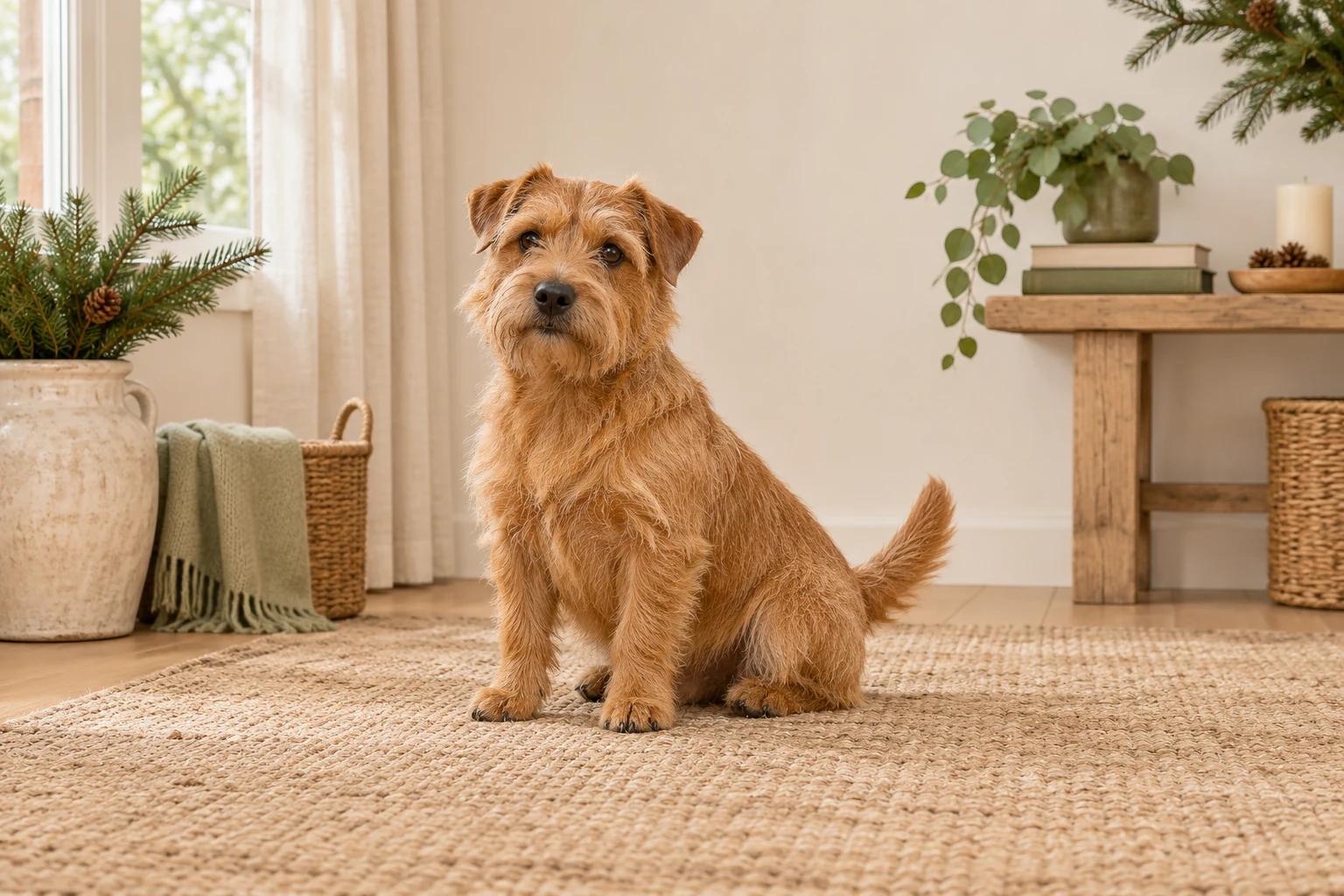
Norfolk Terrier vs Norwich Terrier is an easy comparison to begin and a harder one to finish. The ears provide a familiar visual clue, but choosing a companion requires more than deciding which silhouette you prefer. Both are compact terriers whose small bodies leave plenty of room for curiosity and activity.
If you are choosing between them, keep two separate lists: differences in appearance and questions about life together. The first helps you recognize the breeds. The second helps you decide whether a particular dog belongs in your household. Confusing those lists can make a simple visual preference carry more weight than it deserves.
Norfolk Terrier vs Norwich Terrier: what you can see
The UKC Norfolk standard describes small ears that fold close to the cheeks and a compact body slightly longer than its height. The UKC Norwich standard describes pointed ears carried upright when alert, along with a short back and sturdy build. Both have wiry outer coats and undercoats.
Look at the whole dog moving and standing, not just a head portrait. Coat presentation and camera angle can exaggerate differences. An ear shape is an identification clue, not proof of pedigree or a prediction about temperament.
The Norfolk Terrier profile and Norwich Terrier profile provide separate ownership references. Read both even if one dog's expression immediately appeals to you. It is worth checking whether the everyday commitments are equally appealing.
Size is unlikely to settle the choice
The UKC standards place both breeds at an ideal height of about ten inches, with adult weight references close to twelve pounds. This is not a choice between substantially different size categories. A small numerical difference is less useful than seeing how the actual dog fits a carrier, harness or resting area.
For a Norwich Terrier vs Norfolk Terrier decision, ask to meet adults rather than judging likely scale from puppy photographs. Bring your practical questions: where will the dog travel, how will you reach outdoor space and what sort of handling does your routine involve?
Being easier to accommodate physically does not mean either breed can be treated as a portable accessory. Plan for a dog that walks, explores and learns. A small bed takes little space, but meaningful daily attention still takes time.
Compare the days you can offer
Both breed profiles describe active dogs that benefit from learning as well as outings. Before deciding between a Norfolk Terrier or Norwich Terrier, write out a typical weekday. Include the periods between walks, when you are concentrating on work or when the household becomes busy.
Which parts of that day can include the dog? Where could you offer a short search game or a little training? Who handles the midday break if your plans change? A schedule that only works on a relaxed weekend may not be a realistic match for either breed.
Do not rank the two as an energetic version and an effortless version without evidence about the candidates. Ask caregivers what their dogs do after a normal outing, how they spend quiet periods and what kinds of engagement they currently enjoy. Those answers help you compare actual routines rather than stereotypes.
Ask about noise in the setting that matters
A compact terrier can fit physically into a flat while finding the hallway outside its door very interesting. Think about the sounds in your building: deliveries, lift doors, neighboring dogs and people passing a window. Discuss those specific triggers when meeting a potential companion.
The Norfolk profile flags an alert voice, and the Norwich profile also includes barking in everyday life. Neither label tells you how a particular dog will respond in your building. Ask what starts the barking, what helps the dog disengage and how much management is already part of the routine.
If quiet is a strict requirement, investigate it early rather than treating barking as a small detail to address afterward. A different ear shape will not compensate for an incompatible housing setup. Be honest about what you can change, such as window access or the location of a resting area, and what you cannot.
Similar coats still need individual plans
Both dogs may present the appealing outline of a neatly maintained wiry coat. Ask what work produces that appearance and what the dog looks like between appointments. A photograph rarely explains the division between professional grooming and care at home.
Discuss grooming methods with someone familiar with the breed and the individual coat. Find out what handling the dog knows, what equipment is used and whether you can observe a routine demonstration. Do not choose a breed on an assumption that a short-looking coat is automatically a no-work coat.
If you have strong preferences about household hair or grooming appointments, describe them before committing. Compare actual care requirements rather than promising yourself that you will become enthusiastic about a routine you already dislike. For either breed, a sustainable plan matters more than a particular show presentation.
Make introductions part of the comparison
Arrange a calm meeting where you can see how the dog approaches people and what happens afterward. Does it keep seeking interaction, investigate the surroundings or settle nearby? Ask the caregiver whether that is typical or unusual for the setting.
If you already have another dog, discuss introductions separately. Similar size does not establish compatibility, and a pleasant greeting with a person does not answer the dog-to-dog question. Work with the current caregiver on an appropriate meeting plan rather than arranging an unstructured encounter to see what happens.
Take notes immediately after each visit. Record observations such as “returned to its bed after greeting” rather than “seemed perfect.” Concrete notes make it easier to compare two charming dogs without letting the most recent meeting dominate your decision.
Let the individual break the tie
The difference between Norfolk Terrier and Norwich Terrier is useful to understand, but it cannot choose your companion for you. Once you have checked the broad commitments, the individual dog's history, routine and fit with your household should carry substantial weight.
For the separate question of older breed labels, read why historical Norwich captions may show Norfolk ears. For your present-day choice, the dog match quiz can help you compare your expectations for activity, company and training before you focus on appearance.
FAQ
What is the easiest visible difference between the breeds?
Norfolk Terriers have folded ears close to the cheeks, while Norwich Terriers have upright ears when alert. Use that as a visual clue, not as proof of an unknown dog's identity or a guide to its personality.
Is a Norfolk Terrier smaller than a Norwich Terrier?
Their size references are very close. Both are compact terriers, and a small difference in an individual dog's dimensions is unlikely to change the basic ownership commitment. Measure the actual dog for equipment.
Which breed is easier for a busy household?
Neither is an automatic shortcut around daily outings, learning and company. Compare the individual dog's established routine with your actual weekday schedule, including time alone and backup care, rather than choosing by ear shape or a broad temperament label.
Sources behind this article
Article source checked: November 15, 2026. Source checked 2026-11-15
Keep reading

Affenpinscher vs Brussels Griffon: Everyday Differences
Read article →