Newfoundland vs St Bernard: living with a giant dog
Compare Newfoundland and St Bernard coats, space, company and everyday logistics to decide which giant dog better suits your household.
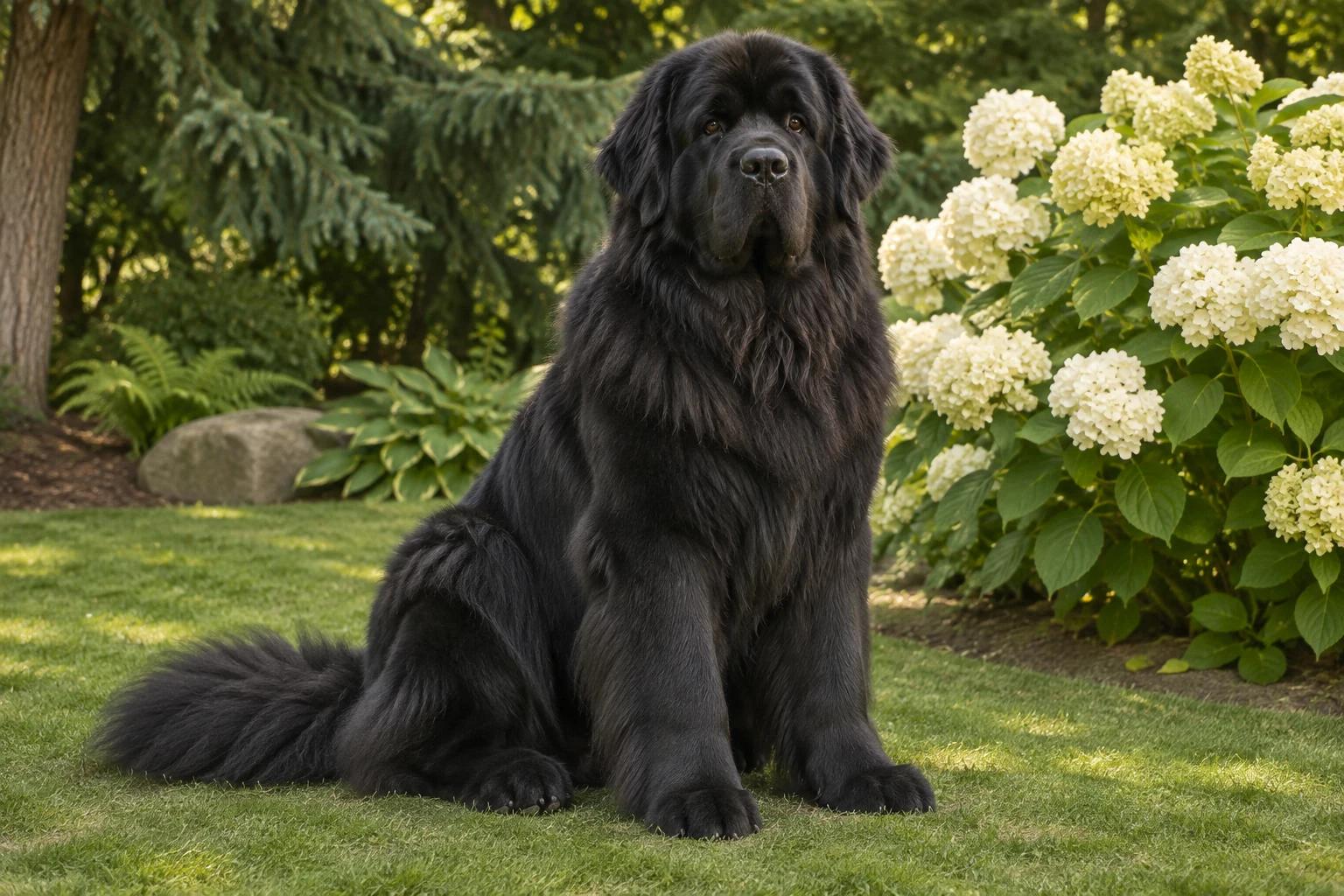
Newfoundland vs St Bernard is a comparison between two substantial companions, not between an enormous dog and an easy small alternative. Either choice changes the space, transport and hands-on care your household needs. The useful question is not which looks more impressive beside a person, but which individual dog fits the ordinary life you can provide.
Start with the visible differences, then test your assumptions against adult dogs and their caregivers. A photograph will show a coat and a head. It will not tell you how a dog handles a narrow hallway, a visitor arriving with shopping bags or an afternoon when nobody is home.
Newfoundland vs St Bernard: the clearest differences
The UKC Newfoundland standard describes a heavy-coated, deep-bodied dog, slightly longer than tall, with a water-resistant double coat. The UKC Saint Bernard standard describes a massive, nearly square dog with either a short or long coat. Those differences help explain why two equally imposing dogs can occupy a room differently.
A short-coated Saint Bernard offers a visibly different coat-care experience from a full-coated Newfoundland. However, choosing shorter hair does not eliminate loose hair or cleanup. Before deciding, meet a dog in its everyday coat rather than relying entirely on freshly groomed photographs.
Use the Newfoundland profile and St Bernard profile together. Both deserve consideration as giant dogs; a small difference in a height table should not decide whether your home can accommodate one.
Check the route through your home
Try a practical walkthrough before comparing accessories. Begin at the entrance and follow the route to the sleeping area, outdoor exit and vehicle. Where can a large dog turn without backing into furniture? Where will it wait while you remove a wet coat or open a door? A clear route matters more than an impressive total floor area.
In a St Bernard vs Newfoundland decision, do not assume that the less fluffy silhouette will need less space. Picture the actual adult lying on its side, getting up and changing direction. A bed that technically fits a corner can still block the only comfortable route past it.
If you live upstairs, think beyond the normal day. Ask your veterinary team how you could arrange assistance if your dog were unable to use the usual access. This is a planning question, not a reason to improvise lifting an enormous dog after a problem occurs.
Compare complete coat routines, not hair length alone
For the Newfoundland, ask a caregiver to show you the equipment and workspace used for maintaining the double coat. Notice where the dog rests, where the person stands and where wet towels go afterward. Consider whether you can reproduce that arrangement without turning every grooming session into a furniture-moving project.
For a Saint Bernard, establish which coat variety you are discussing. A smooth-coated dog and a long-coated dog should not be treated as interchangeable grooming examples. Ask about the individual dog's loose hair, drying arrangements and professional appointments, including the work done between visits.
Both breed profiles record substantial drooling. Put that into a household decision rather than treating it as a funny detail. Are washable furnishings acceptable? Can you keep suitable cloths near the drinking area and car? If repeated cleanup is something you strongly resent, changing from one of these breeds to the other may not solve the underlying mismatch.
Affection does not answer every compatibility question
Both UKC standards describe companionable temperament ideals. They do not establish which individual will enjoy your particular household. A Newfoundland or St Bernard may be pleasant during a brief meeting yet need a different introduction to a resident dog, a frequent visitor or a busy shared entrance.
Ask the same concrete questions about both candidates. What happens when someone knocks? Where does the dog choose to rest when people are talking? Can it disengage from attention? What does its caregiver do when an introduction becomes too exciting?
Avoid deciding that one breed must be the sociable option and the other the reserved option. Compare the dogs' actual histories and observed behavior. If another dog already lives with you, discuss a planned introduction rather than expecting similar size or a friendly breed description to settle compatibility.
Your walking arrangements need an honest rehearsal
Neither breed should be selected as a way to avoid daily engagement. Both profiles describe moderate activity, with outings and opportunities to settle rather than an assumption of constant athletic work. The individual dog's age and veterinary guidance should shape the details.
Write down who will handle the lead on an ordinary weekday. That person should be involved before the decision, not introduced to the responsibility after the dog arrives. If the only workable plan depends on one person never being ill or away, arrange backup care first.
Also consider where a walk starts. A quiet private doorway and a crowded communal lift create different training demands. The difference between Newfoundland and St Bernard matters less at that moment than whether your chosen dog can wait comfortably while someone else passes.
Budget for the services available near you
Ask prospective groomers, walkers and boarding providers about their experience and arrangements for very large dogs. Do not assume that a service advertised for all dogs has equipment, transport or space appropriate for the individual you are considering. Request a clear description of what is included before comparing prices.
Travel deserves the same attention. Check the usable area inside your vehicle and how the dog would enter, turn and rest in an appropriate restraint arrangement. Plan space for people and luggage too. A car that works for a short solo trip may not work for a household holiday.
For a separate look at Newfoundland working activities, read the Beginner Draft Dog overview. It explains a formal activity, not a prerequisite for owning the breed. The dog match quiz can help you weigh company, coat work and daily logistics alongside appearance.
FAQ
Which is bigger, a Newfoundland or a St Bernard?
Both are giant breeds, and the individual matters more than a simple winner. Compare actual adult dimensions and your usable home and vehicle space rather than selecting equipment or housing by a breed label alone.
Is a short-haired St Bernard easier to keep tidy?
Short hair changes coat handling but does not remove shedding or other cleanup. Ask about the specific dog's coat, drooling and everyday routine before assuming the shorter-coated option will suit your standards of tidiness.
Should I choose a Newfoundland or St Bernard for companionship?
Meet adult dogs and ask about everyday company, time apart and greetings. Both breeds have companionable ideals, but the better choice is the individual whose routine and behavior fit your household's capacity for giant-dog care.
Sources behind this article
Article source checked: November 15, 2026. Source checked 2026-11-15
Keep reading

Affenpinscher vs Brussels Griffon: Everyday Differences
Read article →