Nenets Laika exercise needs: work, walks and downtime
Build a Nenets Laika activity routine with suitable walks, shared learning, realistic backup plans and room to rest without an invented quota.
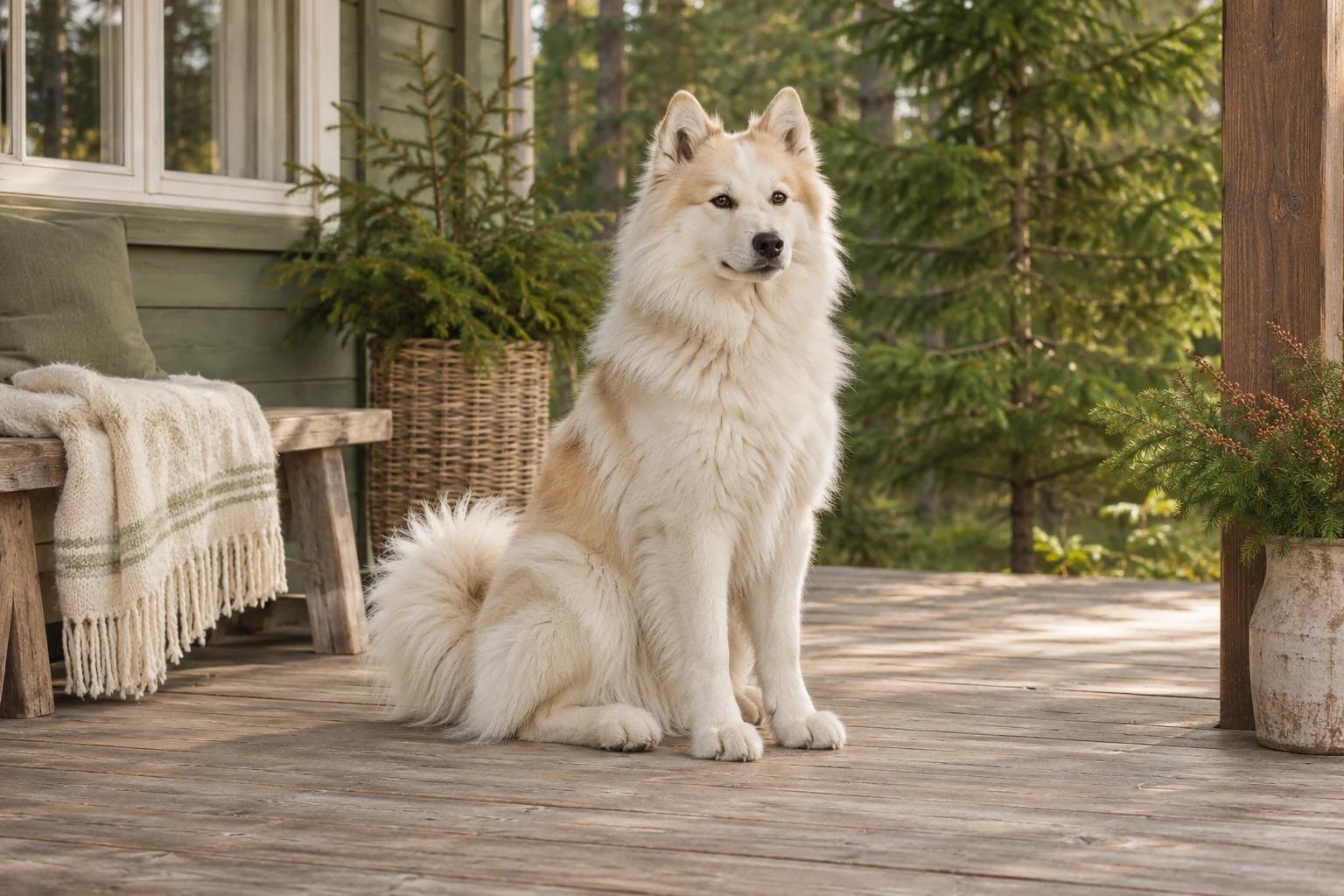
Nenets Laika exercise needs call for an organized mix of movement, engagement and rest. The breed’s northern working background is interesting, but it does not provide a ready-made mileage target for a companion dog. Your plan should begin with the individual’s age, current activities and veterinary advice, then fit those needs into a day you can actually maintain.
That approach leaves room for variety without turning every outing into an endurance test. It also avoids the opposite mistake: assuming a compact dog will be satisfied whenever someone briefly opens the back door.
Nenets Laika exercise needs: use the working context carefully
The RKF’s official breed standard describes a mobile, energetic dog with reindeer-herding origins and working capacity. For a pet owner, the useful implication is to consider purposeful engagement alongside movement, not to reproduce a working landscape or invent a universal daily distance.
The Nenets Laika profile places activity in the middle of its reference scale. Treat that as broad ownership context. A young dog learning its first routines and an adult accustomed to a particular schedule still need different practical arrangements.
Ask the current caregiver what happened yesterday. Which outings were shared? Which games held the dog’s interest? When did it settle? A concrete account helps you plan the transition to your home better than a claim that the breed has unlimited stamina.
Design the walk around a place and a purpose
A Nenets Laika daily walk can include moving together, exploring an appropriate area and practising a useful skill. Decide what you want from that outing before choosing a route. A morning toilet trip and an unhurried evening walk do not need to have identical purposes.
For exploration, identify a place where stopping is possible without blocking a narrow path. For walking practice, choose a stretch where distractions are manageable. If both happen on the same route, make the change clear through your own pace and routine rather than expecting the dog to guess when lingering is welcome.
Keep wildlife and livestock separate from any attempt to provide a breed-related activity. A herding background is not permission to let a dog investigate animals. Use appropriate containment and follow access rules; discuss specialized training with a qualified instructor rather than improvising in a field.
A useful route has alternatives. Know where you can turn back, step aside or avoid a busy section. That gives you options when the day differs from the one you planned.
Count learning as involvement, not a substitute for all movement
The AKC’s exercise overview notes that activity needs depend on age, breed and health, and includes training among ways to engage a dog. Its general guidance supports variety; it does not set a Nenets-specific quota.
Choose a practical project you can work on in small pieces. You might teach the dog to join you at a particular place before an outing, practise returning to you in an enclosed space or improve a calm transition from the garden to the house.
Keep the task understandable. If you change the location, the cue and the reward at once, it becomes harder to tell what the dog is learning. Record one useful observation after a session, such as which starting position worked or which distraction made the task difficult.
Do not make each game progressively faster simply because the dog succeeds. A more thoughtful version might involve a new starting point or a clearer hand signal, provided the dog is comfortable. Shared concentration can be worthwhile without turning your living room into a racecourse.
Put downtime into the plan deliberately
An activity schedule is incomplete if it only describes what happens while the dog is moving. Identify where the dog can rest afterward and what the household does during that period. A bed in the busiest doorway may make quiet time difficult even after an otherwise well-planned outing.
Choose a simple end to shared games. Put the equipment away and move on to the next part of the day rather than repeatedly restarting because the toy is still lying at your feet. Everyone involved should know the routine so that rest is not interrupted by a different person beginning another game.
Observe the whole day before deciding that more exercise is the answer to every unsettled moment. Ask about persistent difficulties and sudden changes rather than automatically adding distance. A veterinarian can assess concerns about comfort; a qualified trainer can help with the practical structure of activities and settling.
Prepare for the day that goes wrong
A cancelled walker, an unexpected appointment or unsuitable weather should not leave you improvising from nothing. Have a backup caregiver and a shorter local route that meets the immediate need to get outside. Keep a few familiar indoor activities available without expecting them to replace every outdoor experience indefinitely.
The backup should be simple enough for someone else to use. Write down where the lead is kept, which route is familiar and what the dog already knows. Avoid handing a substitute caregiver a list of ambitious new games they have never seen demonstrated.
For weather decisions, judge the actual conditions and the dog, not a northern-breed image. Discuss appropriate precautions with your veterinarian. Heritage is not a reason to disregard a dog’s comfort or assume it can manage every outdoor situation.
Review the plan as the dog changes
Nenets Laika activity level is not a permanent setting you discover once. Age, experience and daily circumstances affect the routine. Keep a brief note when something changes so that conversations with caregivers and professionals have useful detail.
If you are asking how much exercise does a Nenets Laika need before acquiring one, test the proposed schedule against your own calendar. Identify who covers the gaps rather than hoping enthusiasm will create extra hours. The dog match quiz can help organize that discussion.
Size is only one part of the ownership picture. Our Nenets Laika height article explains how to interpret one set of reference figures. For activity, the strongest plan is similarly specific: a real dog, suitable activities and people who can provide them consistently.
FAQ
Is there a fixed daily exercise requirement for Nenets Laikas?
There is no single duration that can be prescribed for every Nenets Laika from the breed standard. Discuss the dog’s current routine, life stage and circumstances with its veterinarian. Build a sustainable mix of suitable outings, shared learning and rest.
Must a Nenets Laika work with reindeer?
A companion Nenets Laika does not need access to reindeer to have an engaging daily routine. Choose appropriate walks and shared activities instead. Do not use livestock or wildlife as an informal training opportunity; specialized work requires appropriate supervision and instruction.
What should I do when the usual walk is unavailable?
Use a planned alternative, such as a suitable local route and familiar indoor activities, while maintaining necessary outdoor access. Keep backup instructions straightforward for other caregivers. If disruption continues, revise the routine rather than relying on occasional large outings to compensate.
Sources behind this article
- Russian Kynological Federation: Nenets Reindeer Herding Laika Standard, 2022 ↗
- American Kennel Club: How Much Exercise Does a Dog Need Every Day? ↗
Article source checked: November 15, 2026. Source checked 2026-11-15
Keep reading

Afghan Hound Exercise Needs: Build a Workable Active Day
Read article →