Mountain Cur vs Plott Hound: compare everyday commitments
Compare Mountain Cur and Plott Hound backgrounds, daily activities and practical ownership questions beyond a similar outline.
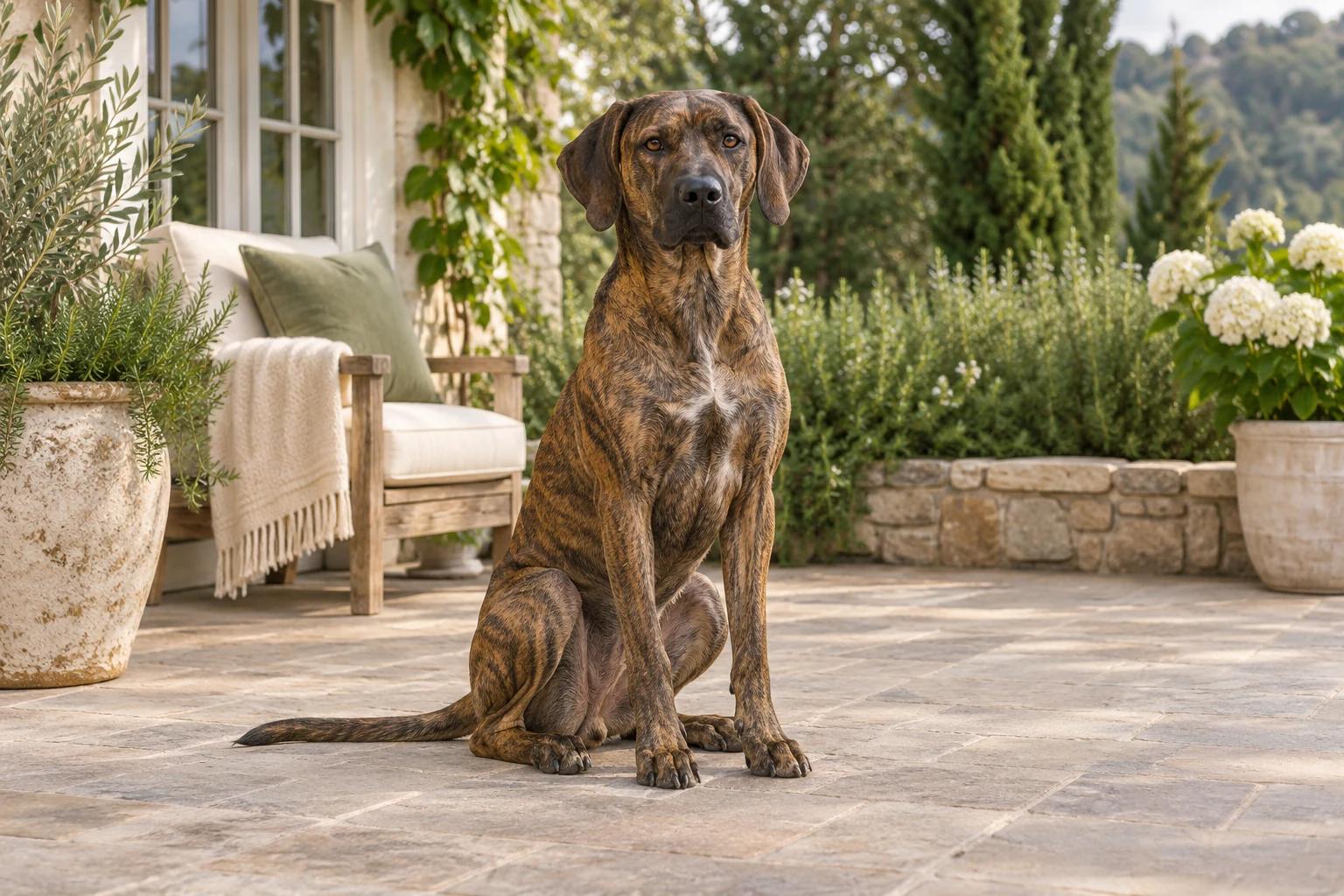
A Mountain Cur vs Plott Hound comparison starts with two athletic dogs whose working histories matter far more than a similar brindle coat. Both deserve an owner who has thought carefully about outdoor activity, training and daily management. The decision is not simply which dog looks better beside a hiking trail. It is which individual, with which background, fits the life you can actually provide.
Use the Mountain Cur profile and Plott Hound profile to prepare for conversations with knowledgeable caregivers. Then compare ordinary weekdays, not just your most adventurous weekend.
Mountain Cur vs Plott Hound: where the distinction begins
The UKC describes the Mountain Cur as a medium, agile tree dog with a square or slightly longer outline. Its Plott Hound standard describes a strongly built but moderate hound whose appearance reflects speed and endurance. Both descriptions point to working capability rather than decorative features.
Their histories are distinct. UKC traces the Plott's background to hunting hounds brought from Germany and developed in North Carolina. Its Mountain Cur account describes rural working strains later organized into a registered breed. Those histories explain why you should ask about working interests, but they do not tell you how a particular dog spends an afternoon indoors.
Ask what the dog has actually done. Has it lived primarily as a household companion, accompanied hunting activities, attended training classes or spent time in a foster home? A familiar breed label can conceal very different experience.
Compare the week before comparing the dog
Make a rough seven-day calendar. Put work, commuting, appointments and household responsibilities on it first. Then add the time genuinely available for the dog. If all the appealing activities land on Saturday, the calendar has exposed a planning problem before a dog has to live with it.
For either breed, consider who will provide purposeful activity when your usual plans change. A second responsible caregiver should know the equipment, handling routine and boundaries. “Someone will take the dog out” is not yet a workable arrangement.
The Mountain Cur's profile emphasizes a particularly substantial activity and learning commitment. The Plott's profile also calls for an active day. Do not turn that comparison into an assumption that the Plott is a low-demand substitute. Meet adult dogs and ask what happens on ordinary days when their owners are busy.
Include quieter activities in the conversation. What does the dog do after an outing? Can the caregiver describe a resting routine? What helps the dog shift from outdoor interest to household life? These questions are useful because a successful home needs transitions, not perpetual entertainment.
Outdoor freedom is a management decision
If your ideal companion runs loose while you walk, discuss that expectation before choosing either dog. A hunting background should prompt questions about attention outdoors, interest in wildlife and existing recall practice. It should not be treated as proof that training will make every setting suitable for off-lead access.
Map your actual exercise locations. A securely enclosed area, a public path near traffic and an unfenced property are different environments. Identify where a lead will be needed and where you can practice without relying on an untested response.
Ask the caregiver to explain the dog's present routine rather than requesting a dramatic demonstration. You do not need to create a wildlife encounter to assess suitability. Previous observations and sensible management plans are more useful than a staged test with an uncertain outcome.
A large property also needs inspection. Gates, deliveries and shared access points are part of ownership logistics. Acreage is not a substitute for knowing where the dog is and how it is contained.
Look past coat color and photographs
The difference between Mountain Cur and Plott Hound is not reliably settled by spotting stripes. A photograph may show a familiar outline without establishing lineage or household behavior. Ask for the dog's documented background and use physical descriptions as context rather than proof.
When meeting dogs, pay attention to practical scale. Can you manage the lead comfortably? Is there suitable space in the vehicle? Where will a bed go without blocking a narrow passage? An athletic medium-sized dog still occupies real space when standing, turning and stretching out.
Compare grooming routines by asking what the current caregiver actually does. Find out which tools are used and how the dog responds to handling. A short-looking coat may make maintenance seem incidental, but checking fit, cleanliness and comfort remains part of the weekly schedule.
If shedding is a major housekeeping consideration, consult the individual profiles and ask to see normal living conditions. Avoid deciding from a freshly cleaned room or a photograph taken immediately after grooming.
Introductions and household company need their own questions
A Plott Hound vs Mountain Cur decision should include everyone already living in the home. Tell the caregiver about other animals, regular visitors and the amount of traffic through shared spaces. Ask about experience with those situations rather than asking whether a breed is generally “good with” them.
For a quieter household, explain what quiet means to you: few visitors, limited outdoor noise or long periods of desk work. For a busy household, describe arrival patterns and available resting areas. Different settings can make different demands on the same dog.
Do not assume a sociable greeting settles the question of living together. Ask what the dog does when attention ends and whether it can move away from interaction. Plan introductions and separation spaces before expecting animals or people to share everything immediately.
Sound is another separate topic. Our existing Mountain Cur voice article provides questions to explore without making hunting voice the basis of this entire comparison.
Choose from evidence, not a winner's podium
If you are deciding between a Mountain Cur or Plott Hound, write down the conditions your home can offer and the information still missing. A candidate may fit your activity preferences yet have an unknown history around another household animal. That uncertainty deserves attention before cosmetic preferences.
The dog breed quiz can organize priorities, but the final decision should involve the actual dog's caregiver and, when needed, a qualified trainer. Neither breed needs to win a universal contest. The useful outcome is a realistic match between a particular dog and a prepared home.
FAQ
Is a Mountain Cur the same as a Plott Hound?
No. Mountain Curs and Plott Hounds have distinct breed histories and standards. A similar athletic outline or brindle appearance does not make them interchangeable or establish a dog's identity.
Which breed is easier for a busy owner?
Neither should be chosen as a shortcut around limited time. Compare the individual dog's established routine with the daily activity, training and care your household can reliably provide.
Can either breed live with other dogs?
That requires information about the individuals, their histories and the introduction plan. A breed description alone cannot establish compatibility. Discuss shared spaces, resources and supervised introductions with the people responsible for both dogs.
Sources behind this article
Article source checked: November 15, 2026. Source checked 2026-11-15
Keep reading

Affenpinscher vs Brussels Griffon: Everyday Differences
Read article →