Miniature American Shepherd vs Shetland Sheepdog: daily life
Compare Miniature American Shepherd vs Shetland Sheepdog size, coats, voice and daily learning before choosing an individual companion.
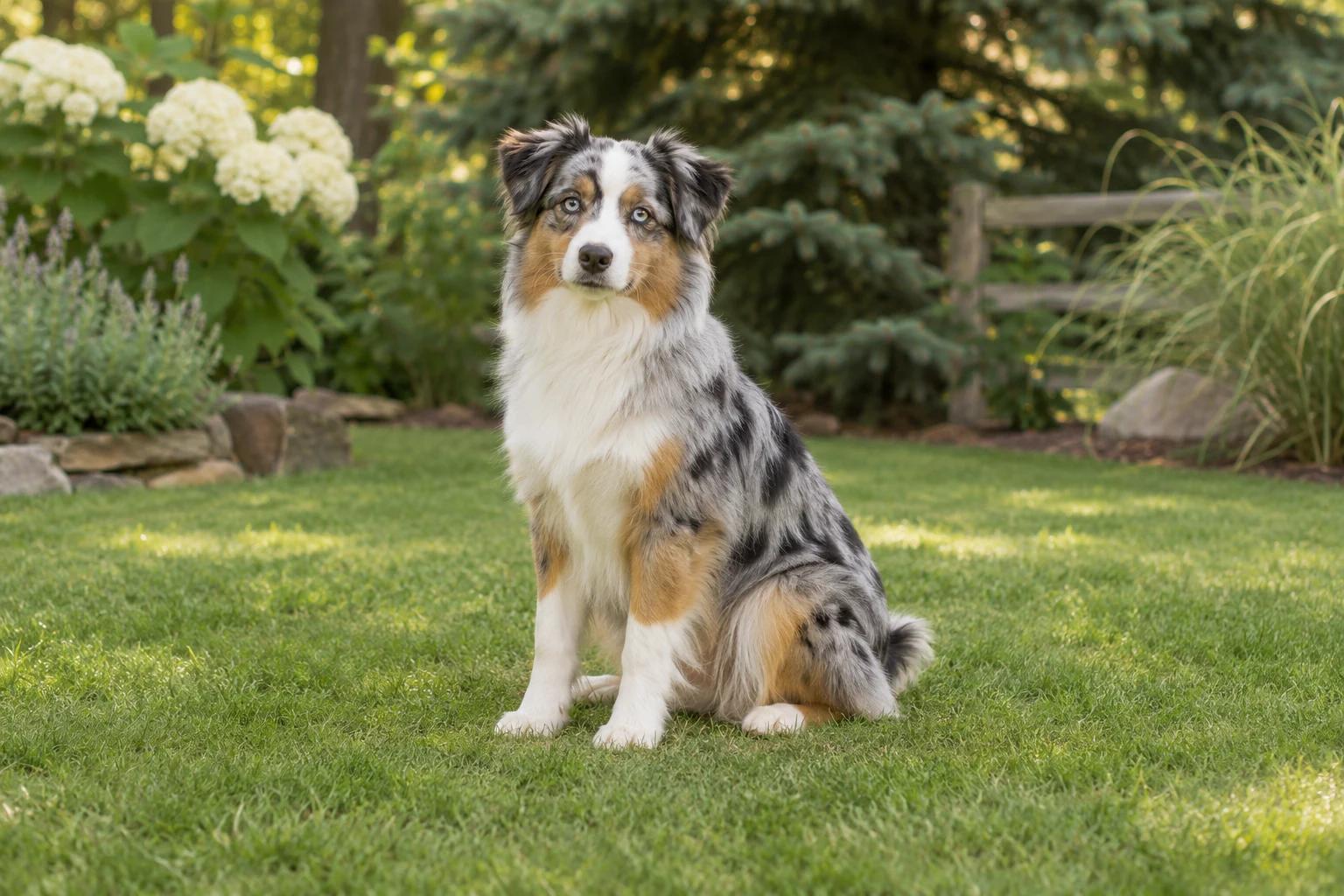
Explore the
Miniature American Shepherd
Background, care, and everyday considerations.
View breed profile →A Miniature American Shepherd vs Shetland Sheepdog comparison brings together two compact herding breeds that can make learning with a dog an important part of your week. The decision is not simply between two coat styles. Think about the activity you enjoy, the sound your household can accommodate and the care tasks you will actually keep up with.
Start by identifying what attracts you to each breed. Then look for evidence of that preference in real dogs and ordinary routines. An appealing outline is a beginning, not a complete reason to choose a companion.
Miniature American Shepherd vs Shetland Sheepdog: shared purpose
MASCUSA's breed standard presents the Miniature American Shepherd as an energetic, athletic herder. The American Kennel Club's Shetland Sheepdog introduction describes a quick, intelligent herding dog from the Shetland Islands. Both backgrounds make an interest in teaching and shared activity relevant to your choice.
That does not mean every owner must enter competitions. It means you should enjoy helping a dog learn, not merely admire intelligence as a trait. Consider whether working on a useful skill feels like an enjoyable part of the evening or another obligation you hope to avoid.
A Shetland Sheepdog vs Miniature American Shepherd decision also needs a realistic account of your own pace. The internal profiles describe substantial activity and mental engagement for both. If your plan depends on either being satisfied with very little interaction, revisit the plan before debating finer differences.
Size overlaps, so equipment should wait for measurements
The Miniature American Shepherd profile lists 20–40 pounds as an adult weight reference. The Shetland Sheepdog profile lists 15–25 pounds. These ranges suggest a generally smaller Sheltie, but they also overlap. Do not buy a carrier or harness on the assumption that every dog follows the midpoint.
MASCUSA gives height ranges of 14–18 inches for males and 13–17 inches for females. The Sheltie profile lists 13–16 inches. A heavy coat can complicate a visual comparison, so request current measurements when equipment fit matters.
Try placing the intended bed or travel arrangement in your home before purchasing. The important question is whether the dog and equipment fit your actual routes and spaces, not which breed wins a smallness contest. Both need room to rest without being continually stepped around.
Compare the grooming appointment you would keep
A visible difference between Miniature American Shepherd and Shetland Sheepdog appearance is coat presentation. The Mini American's standard describes a medium-length double coat with moderate feathering. The Sheltie's internal profile describes a longer double coat and regular combing needs, with extra attention during seasonal shedding.
Ask owners to show you the tools they use and describe the time involved on a normal week. A freshly prepared dog at an event may give you little sense of the work behind that appearance. Discuss how care changes after wet or muddy outings and whether a professional groomer is part of the routine.
For either breed, decide where grooming will happen and who will do it. A household that likes long walks but dislikes coat care should not leave that mismatch unresolved. You can arrange professional help, but appointments, transport and cost still belong in your calendar.
Listen to the household, not just the breed description
The Sheltie profile identifies a stronger vocal tendency than the Mini American profile. That is worth exploring if you share walls or regularly work on calls. It is not a promise that a Mini American will be quiet or a prediction of exactly when a Sheltie will bark.
Ask what tends to start vocalization in the individual dog's current home. Is it passing activity, visitors, play or a particular transition? What does the caregiver do, and what has helped? Concrete examples are more useful than “not too barky.”
Look at your own environment too. A desk beside a busy front window, a shared landing and frequent deliveries create different situations from a quiet room at the back of a house. Choosing a breed does not remove those conditions. Think about the arrangement you can offer before expecting training to solve every environmental difficulty.
Decide what kind of partnership you want
If you picture a weekend class or a dog sport, visit as an observer first. Watch the waiting periods as well as the exciting parts. You will spend time traveling, organizing equipment and helping the dog settle between turns; those are part of the hobby too.
Talk with instructors about both breeds and about beginner expectations. Ask what foundations they teach before more demanding activity. Your veterinarian should guide questions about physical readiness. Do not select a puppy on the assumption that an attractive sport video guarantees the same future experience.
If competition does not appeal, describe the activities you do enjoy. Walks with opportunities to investigate, small learning projects and shared time can be meaningful goals. The important distinction is between wanting an engaged companion and wanting a dog that needs almost no engagement.
Meet the individual with a useful shortlist
When choosing a Miniature American Shepherd or Shetland Sheepdog, bring a few specific questions rather than a long scorecard. Ask how the dog spends a quiet afternoon, responds to unfamiliar people and manages a change in routine. For a puppy, ask about the adults and the experiences provided so far.
Record any mismatch honestly. If you enjoy one breed's appearance but cannot accommodate its likely grooming or voice, that matters. Do not wait for a single reassuring anecdote to erase a practical concern you already understand.
The dog match quiz can help organize those preferences. For a separate question about terminology, the existing Miniature American Shepherd name and paperwork article explains how to read descriptions carefully. Your final comparison should still come back to the daily life you can provide and the dog you actually meet.
FAQ
Is the Shetland Sheepdog always smaller?
No. The breed reference ranges overlap, even though the Sheltie range is generally smaller. Use the individual dog's measurements for equipment and travel planning rather than relying on the breed name alone.
Is either breed a low-engagement choice because it is compact?
No. Both are herding breeds with meaningful learning and activity needs. Consider whether you enjoy regular interaction and teaching, and discuss the particular dog's routine rather than using size as a shortcut.
Which coat should I choose if I dislike grooming?
Do not choose from appearance alone. Ask for a realistic demonstration of each routine and arrange professional help if needed. Both coats require care, so confirm that the time, setup and expense fit your week.
Sources behind this article
Article source checked: November 15, 2026. Source checked 2026-11-15
Keep reading

Affenpinscher vs Brussels Griffon: Everyday Differences
Read article →