Miniature American Shepherd temperament in daily life
Understand Miniature American Shepherd temperament through attention, activity, unfamiliar people and the ordinary routine behind a lively companion.
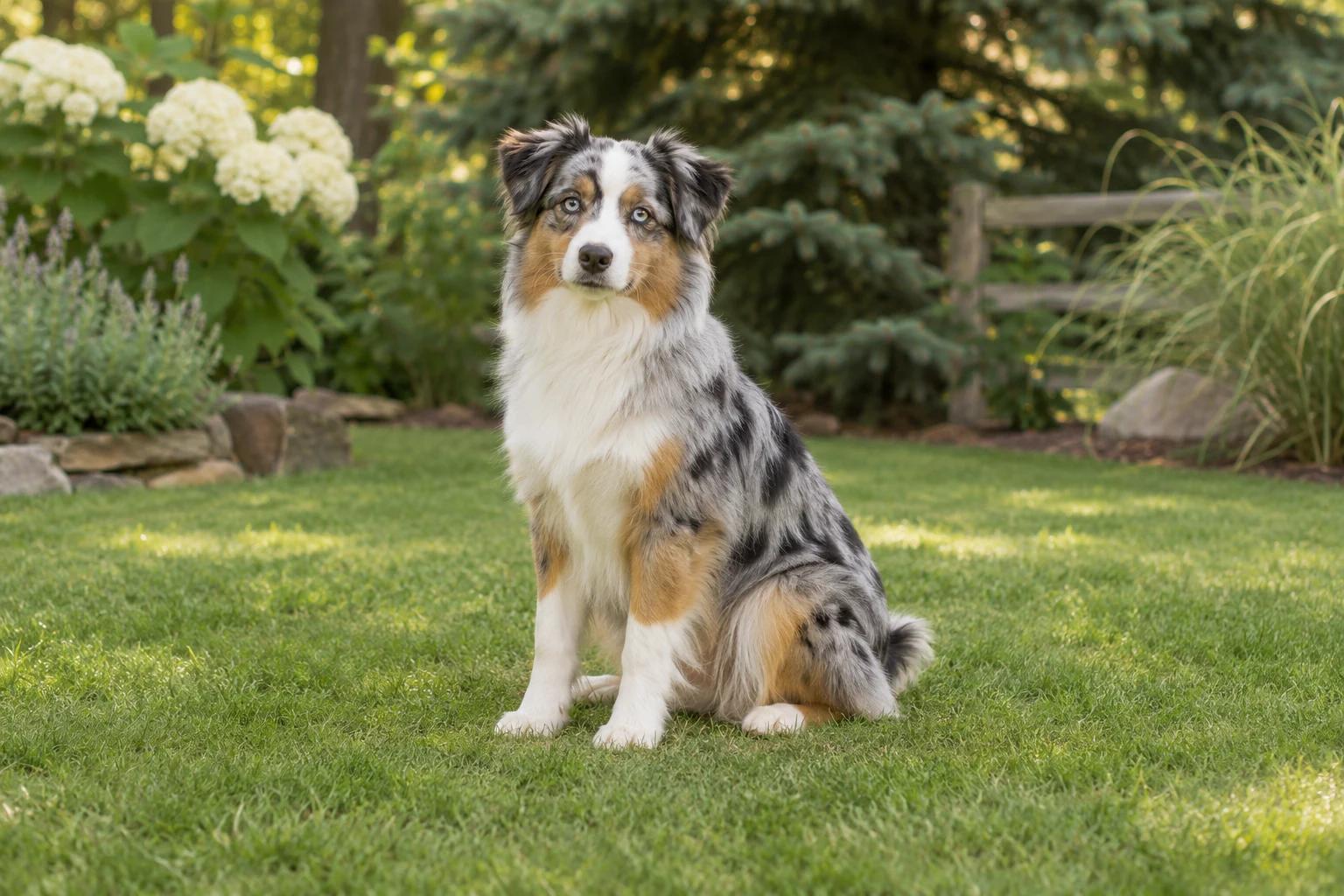
Explore the
Miniature American Shepherd
Background, care, and everyday considerations.
View breed profile →Miniature American Shepherd temperament makes more sense when you imagine a dog paying attention to the household than when you imagine a smaller version of a relaxing ornament. This is a breed associated with work, responsiveness and involvement. Those qualities can be enjoyable, but they also ask you to think about what the dog will do with its interest in the world.
Instead of trying to decide whether the breed is simply “easy,” explore how its tendencies fit your habits. A good conversation includes the parts of the day when you are available and the parts when you need to concentrate on something else.
Miniature American Shepherd temperament: interested and involved
The American Kennel Club's breed introduction describes bright, self-motivated workers and lively companions. That combination is useful to keep in mind: a dog can be responsive to you and still have interests of its own.
Picture a home office. You may enjoy practicing a skill during a break, but you cannot be an entertainment department throughout every meeting. Before choosing the breed, decide what the rest of that workday looks like. Where will the dog rest? Who provides an outing if your schedule changes? What activities can happen without turning the room into constant motion?
These are planning questions, not predictions that every Mini American will behave identically. The individual dog's current routine will tell you more about the arrangements you need than a word such as “intelligent” on its own.
Watchfulness can be quieter than a greeting
MASCUSA's standard describes an attentive expression and allows for reserve or watchfulness around strangers. You do not need to interpret a dog observing someone from a distance as a failed introduction. Nor should a breed description be used to dismiss signs that a dog is struggling.
When meeting a prospective dog, let the caregiver explain how introductions usually work. Notice whether the dog chooses to approach, remains nearby or prefers more distance. Do not insist on touching it to make the visit feel successful.
Ask about several settings. A dog may be comfortable with visitors at home but find a crowded entrance harder, or behave differently when its familiar person is absent. Understanding the context is more valuable than deciding that the dog is globally “social” or “unsocial.”
Responsiveness is not the same as understanding everything
Among Miniature American Shepherd characteristics, learning ability attracts many owners. The practical benefit comes when someone gives the dog clear information. It does not mean an unfamiliar cue, room or situation will automatically make sense.
Write down the household skills you actually need. You might want a dog to move away from the entrance, wait while equipment is attached or relax nearby during a conversation. Choose a reward-based trainer who will help turn those goals into understandable steps.
Agree on the rules before several people start teaching. If one person encourages excited greetings and another dislikes them, the dog is receiving two different lessons. A short shared note about cues and expectations is more useful than repeatedly describing the breed as clever while everyone asks for something different.
Plan a day with changes of pace
The My Breed Atlas profile emphasizes activity and mental engagement. Think about both when reviewing your timetable. Long outings are not the only possible feature of an interesting day, and physical exertion alone should not be your entire plan.
For example, your schedule might include an outing, a small teaching project and ordinary time in the same room while you do something else. The exact arrangement belongs to the individual dog and your circumstances. What matters is that you have considered transitions as well as active periods.
Ask current owners how they organize those transitions. What happens after a class? How does the dog spend time when the household is busy? You may learn more from the answer to those questions than from hearing how many activities someone can fit into a weekend.
Talk about movement without turning it into a game
The breed's herding background belongs in conversations about everyday behavior. Ask the caregiver what happens around moving people, bicycles or other animals, and what management or training is already in place. Do not set up a chase to see whether a supposed instinct appears.
If movement is difficult for the dog, identify the circumstances carefully. Record distance, location and what happened just before the response. A trainer can use that information to help you make a plan. Your job is to organize a suitable environment, not to prove a breed theory.
The same principle applies indoors. A narrow passage used by everyone at once may need a different arrangement from an open room. You can change where activities occur, how doors are managed or where the dog rests without treating every adjustment as a major behavioral intervention.
Company and independence deserve separate questions
Miniature American Shepherd personality is often described through loyalty. Enjoying a relationship with people does not tell you exactly how a particular dog manages time apart. Ask about its history instead of making either a reassuring or worrying assumption.
Discuss ordinary absences, changes of caregiver and travel. Find out what the dog is accustomed to and what remains new. If you are bringing home an adult, preserve useful information from the previous routine while you establish your own.
If the dog shows persistent distress or a sudden behavior change, consult your veterinarian and a qualified behavior professional. Avoid explaining everything as breed energy. An individual concern needs an individual assessment, not simply another activity added to the calendar.
Choose examples over labels
A useful Miniature American Shepherd behavior discussion might include one relaxed day, one busy day and one event that was difficult. Ask what helped and what the caregiver would do differently next time. Those examples reveal expectations and support needs without pretending that one meeting answers everything.
Use the dog match quiz to organize your priorities, then bring your unanswered questions to breeders or caregivers. The separate name and paperwork guide handles terminology; it cannot establish personality. For temperament, return to observation, history and the routine you can genuinely offer.
FAQ
Does intelligence make the Miniature American Shepherd effortless to live with?
No. Learning ability is useful when you provide clear teaching and an appropriate routine. It does not mean a dog understands unfamiliar situations automatically or needs no attention from the household.
Must a reserved Mini American greet every visitor?
No. A successful visit does not require physical contact with everyone. Allow appropriate space, follow the caregiver's introduction plan and seek professional help if the dog appears persistently uncomfortable or difficult to manage.
Does lively behavior always mean the dog needs more exercise?
No. Consider the context, routine and any recent change rather than adding activity automatically. Ask your veterinarian about sudden changes and work with a qualified trainer on everyday skills and management where appropriate.
Sources behind this article
Article source checked: November 15, 2026. Source checked 2026-11-15
Keep reading

Airedale Terrier Temperament: What Everyday Life Can Feel Like
Read article →