Manchester Terrier (Standard) grooming: simple care
Build a practical Standard Manchester Terrier grooming routine for a smooth coat, with tool choices, handling and checks beyond brushing.
Explore the
Manchester Terrier (Standard)
Background, care, and everyday considerations.
View breed profile →Manchester Terrier (Standard) grooming is less about creating a haircut and more about maintaining a short, close coat while noticing what is normal for the individual dog. The simple outline can make care look almost invisible, but it still deserves a place in the week. A small set of suitable tools and a calm routine is more useful than a large collection of products.
Start by asking the current caregiver to demonstrate what the dog knows. Find out where grooming happens, which equipment is familiar and which tasks are handled professionally. That gives you a practical starting point instead of an assumed routine based on appearance.
Manchester Terrier (Standard) grooming begins with the coat
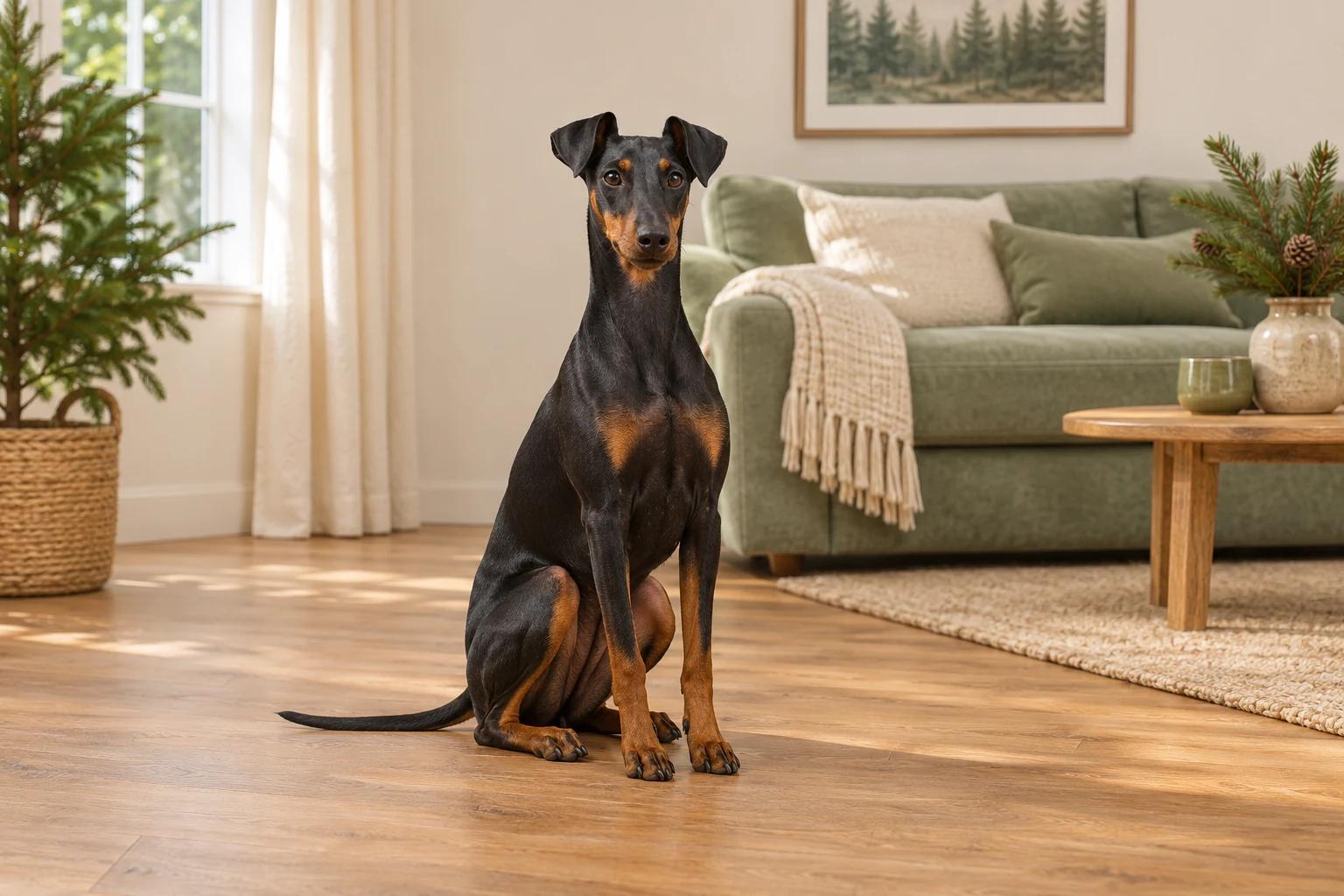
The American Manchester Terrier Club's standard describes a short, smooth, dense coat lying close to the body. Its sleek appearance is a breed feature, not a reason to apply extra polish or attempt to reshape the outline.
For ordinary home care, think in terms of removing surface debris and loose hair while observing the skin beneath. Ask a groomer to recommend a suitable tool and demonstrate the pressure to use. The right technique should be something you can repeat calmly, not an elaborate treatment saved for photographs.
Keep a towel and the chosen tool together in one accessible place. If preparation takes longer than the task, you are less likely to maintain the routine on a busy day. A simple setup also makes it easier for another caregiver to follow the same plan.
Choose a gentle tool rather than the most powerful one
VCA's coat-care guidance identifies flexible grooming gloves and short-bristled brushes as options for smooth-coated dogs, with gentle use and individual advice from a groomer or veterinary team. A tool marketed for heavy shedding is not automatically appropriate for this coat.
Ask the professional to show you on your dog, then try the technique under their guidance. Notice where the dog stands comfortably and whether a different position makes the task easier. Do not interpret moving away as a request for firmer pressure.
Afterward, clean the tool and store it dry according to its instructions. Sharing an unlabeled collection of brushes between pets can make the routine unnecessarily confusing. Keep the Manchester's ordinary coat equipment separate from specialist items you do not know how to use.
Make Manchester Terrier (Standard) coat care a short check-in
Choose a quiet moment rather than starting immediately before everyone needs to leave. Give the dog secure footing and arrange your own position so you do not need to lean awkwardly or hold it in place throughout.
Work through a familiar order, pausing as needed. Consistency helps you remember which areas you have checked, especially when the coat is so short that the finished result looks much like the starting point. There is no need to continue brushing just to produce a visible pile of hair.
Keep a brief note when something differs from the usual pattern. Record the location and when you noticed it. If there is a skin change, discomfort or persistent concern, contact the veterinary team instead of trying progressively stronger grooming products.
Shedding: judge the pattern, not a spotless sofa
Manchester Terrier (Standard) shedding should be considered alongside the dog's usual coat and care routine, not treated as a contest to remove every loose hair. Short hairs can be easy to miss on one surface and obvious on another, depending on contrast and fabric.
For housekeeping, identify where the dog actually rests. A washable cover on a favorite bed may be more useful than repeatedly grooming before visitors arrive. Follow fabric-care instructions and keep cleaning supplies out of the dog's reach.
If you notice a marked change from the dog's normal pattern, note when it began and ask the veterinarian about it. Do not assume every change is simply a seasonal event or a failure to brush enough. A grooming routine is a way to observe, not a diagnosis.
Bath planning should solve a real need
Discuss a suitable bathing routine and dog-appropriate product with your groomer or veterinary team. Keep any individualized instructions with the supplies, especially if someone else may bathe the dog while you are away.
Before starting, prepare towels, secure footing and a clear route out of the bathing area. Check that the container or space allows you to work without repeatedly repositioning the dog. Planning the finish matters as much as planning the wash.
Do not choose a product because its label promises an unusually glossy black coat. The breed's appearance does not create a need for cosmetic experimentation. If you are unsure whether a product is suitable, ask before applying it, and leave medical shampoos or treatments to veterinary direction.
Nails and handling need their own plan
A smooth coat does not make nail care automatic. Ask a groomer or veterinary professional to demonstrate the approach appropriate for this dog and explain when to book the next check. If you are not confident, professional help is a reasonable part of the routine.
Practice comfortable handling separately from completing every task. A short session getting used to a familiar position is different from a full nail appointment. Keep the experience manageable rather than waiting until everything is overdue and trying to finish at once.
Include routine dental and ear-care questions at veterinary visits. Do not put products into an ear or attempt a procedure simply because a grooming checklist mentions it. Obtain instructions for the individual dog and make sure other caregivers know which tasks are not part of ordinary home brushing.
Keep photographs from dictating the job
A show portrait can suggest a more polished finish than your dog needs for daily life. Use photographs to describe a question to the groomer, not as a reason to change the dog's features or pursue an identical silhouette.
Our Standard Manchester portrait article explains a separate appearance issue. For everyday grooming, the useful outcome is a routine you understand, tools you can use and a clear route to professional help when something changes.
If you are still learning how to groom a Manchester Terrier (Standard), request one demonstration rather than several conflicting shopping lists. The breed profile covers the wider ownership commitment, and the dog match quiz helps you consider grooming alongside activity, company and learning.
FAQ
Does a Standard Manchester Terrier need a regular haircut?
The breed has a short, close coat rather than a long style to maintain. Discuss ordinary brushing and any individual needs with a groomer instead of assuming a routine haircut is required to reproduce the breed's outline.
What kind of brush should I consider?
A flexible grooming glove or short-bristled brush may suit a smooth coat. Ask a groomer to demonstrate the tool and pressure on your dog. Avoid selecting a more aggressive tool simply because it promises to remove more hair.
Does a short coat mean there is little else to check?
No. Nails, handling, skin observations and veterinary guidance on ears and teeth still need a plan. Keep those tasks distinct from brushing so a quick coat session does not become a substitute for other care.
What if the coat or shedding pattern changes?
Note the timing and location of the change and contact your veterinary team if it concerns you. Do not diagnose the cause from appearance or respond by adding stronger products or more forceful brushing.
Sources behind this article
- American Manchester Terrier Club: Breed Standard ↗
- VCA Animal Hospitals: Grooming and Coat Care for Your Dog ↗
Article source checked: November 15, 2026. Source checked 2026-11-15
Keep reading

Affenpinscher Grooming: A Practical Coat-Care Routine
Read article →