Lucas Terrier size: a small dog with a substantial frame
Explore Lucas Terrier size, shoulder height and sturdy proportions, then plan equipment and household access around the individual dog.
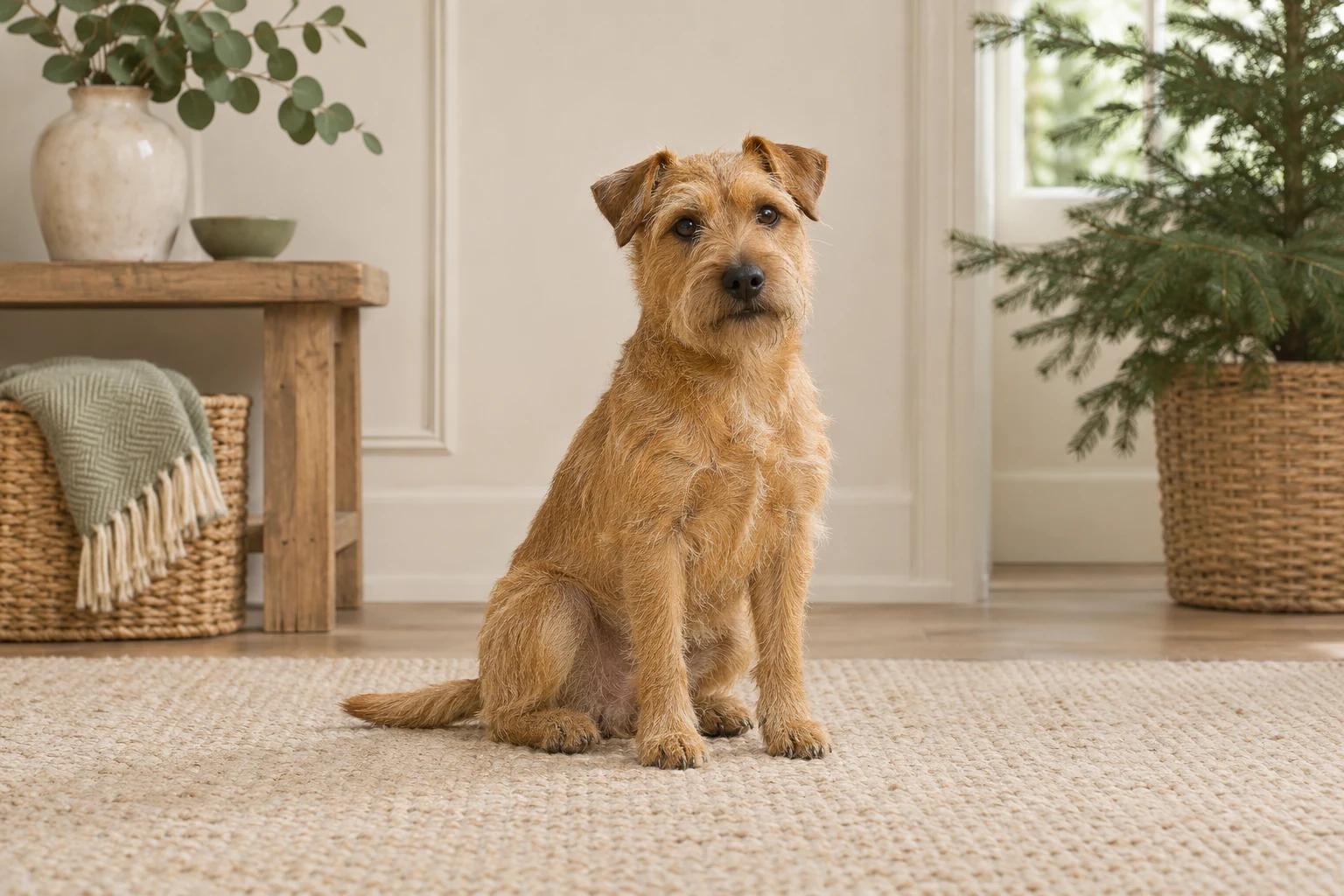
Lucas Terrier size can be deceptive in photographs. The breed is small, but its body is not simply a miniature version of a lightly built toy dog. A wiry jacket and facial furnishings add to the visible outline, so a useful assessment starts with the frame beneath the hair.
For prospective owners, size matters most when it answers a real question: will the equipment fit, can the caregiver manage the dog comfortably, and how will daily access work? Begin with those practical needs, then use breed measurements as background rather than a shopping list.
Lucas Terrier size: height and proportions together
The My Breed Atlas Lucas Terrier profile lists 10–12 inches at the shoulder and an overall adult weight range of 11–20 pounds, with females listed at 11–17 pounds and males at 14–20 pounds. Use these as breed references, then measure the individual dog.
The United States Lucas Terrier Association standard gives a shoulder height of 10–12 inches. It describes a sturdy body that is slightly longer than its height, with a broad, muscular chest. The UK Lucas Terrier Club standard likewise emphasizes substantial, symmetrical construction.
Those proportions help explain why “small terrier” is an incomplete equipment description. A chest harness that suits a narrow-bodied dog of similar height may not suit a Lucas Terrier. Body length also matters when choosing a place to rest or equipment for transport.
When you meet an adult, ask to see it standing and moving naturally. A close-up portrait of the head is appealing but cannot show the whole frame. If you are discussing a puppy, ask about its family’s adult build and request existing growth records without treating them as an exact forecast.
Translate shoulder height into a useful home measurement
Lucas Terrier height is measured at the shoulder, not to the top of the head, ears or coat. Ask the caregiver to show you the measuring point if you have not done this before. A quick demonstration can prevent several inconsistent numbers later.
Let the dog stand comfortably on a level surface. Do not hold an awkward pose to force a measurement. Record the units and date, and say whether the number was measured or estimated. A later caregiver should not have to guess what “about eleven” meant.
For equipment, use the manufacturer’s own instructions even if you already have a height record. The requested measurement might be chest circumference, neck circumference or a particular body length instead. One accurate number does not replace all the others.
Take the written measurements with you when shopping. It is surprisingly easy to rely on memory and choose according to a package photograph. A few clear notes make it easier to compare actual adjustment ranges rather than assuming all small sizes are alike.
Think about weight without setting a breed target
Lucas Terrier weight is useful as an individual record, especially during growth, but it should not become a number you try to achieve by changing food on your own. Your veterinarian can assess body condition and discuss whether a change is appropriate for that dog.
Ask for a recent measured weight when preparing transport or checking equipment limits. Distinguish that from a caregiver’s estimate. For anything with a maximum load, guessing from appearance or how the dog feels in your arms is not enough.
Keep the weight record separate from the equipment list. The former follows the dog over time; the latter tells you what fits and what limits apply. When something changes, you can review the relevant item without reconstructing every purchase from memory.
If you notice an unexplained change, note the dates and take the question to your veterinarian. A size article cannot tell you whether a particular dog needs a feeding adjustment, and a breed label cannot explain an individual’s condition.
Plan for the solid frame when choosing equipment
A Lucas Terrier’s substantial chest makes a fitting check particularly worthwhile. Put on a harness according to the maker’s instructions and watch normal movement. Ask an experienced professional to help assess fit rather than deciding that a fastened buckle means the job is complete.
Check the equipment again after a puppy grows or after a notable change in coat presentation. Hair can obscure strap placement. Keep the original fitting instructions so every caregiver can check the same points instead of using a different rule of thumb.
For a resting bed, measure the usable surface, not the outside edge of raised bolsters. Watch whether the dog curls up, stretches out or changes position frequently. A bed chosen from standing height alone can be inconvenient even if it looks proportionate in the room.
For a travel carrier or crate, review its internal dimensions and intended use. Ask the provider of a planned journey about current requirements before booking. Being a small breed does not by itself establish that a dog will fit a particular travel arrangement.
Make access work without relying on constant lifting
Before the dog arrives, walk through the daily route from resting place to outdoors. Note doors, narrow turns, stairs and places where you will also be handling keys or shopping. Consider how another caregiver will manage the same route.
If lifting will be part of care, ask for a demonstration suited to the individual dog and make sure the people involved can manage it comfortably. A small but substantial dog can be different to handle from the picture you formed from its height alone.
Do not assume every gap or barrier designed for a larger dog will work unchanged. Check spaces beneath gates and furniture, and store tempting or hazardous objects out of reach. This is easier before the dog is exploring than while you are trying to supervise and rearrange the room simultaneously.
You can also prepare a simple handover sheet with the dog’s current measurements, equipment sizes and fitting instructions. That is particularly helpful if a walker or family member will replace an item while you are away. Include where the instructions are stored, not just the brand name.
Choose a practical fit, not the smallest possible dog
If your interest in size comes from housing or travel constraints, write down the actual constraint. A limit imposed by a product or provider is different from a personal preference for a companion that feels manageable. Clarifying the reason helps you ask the right questions before committing.
Read the Lucas Terrier profile alongside the dog match quiz to consider time and care as well as dimensions. For questions about a listing’s stated breed, use the separate Lucas Terrier name-check guide. Size can inform a decision, but it cannot verify identity or replace a conversation about the dog’s life.
FAQ
How big do Lucas Terriers get?
Lucas Terriers are small, sturdily built dogs. The United States Lucas Terrier Association standard lists 10–12 inches at the shoulder. For a particular puppy, discuss likely adult build with its caregiver and use individual measurements when selecting equipment.
Is Lucas Terrier height measured to the top of the head?
No. Shoulder height is measured at the withers, not to the head, ears or hair. Ask an experienced caregiver to demonstrate the measuring point, and record the units and date so future comparisons are meaningful.
Can I buy a harness using the breed’s average size?
Use the individual dog’s measurements and the manufacturer’s fitting instructions instead. A Lucas Terrier’s chest and body proportions matter as well as height. Check the fit again as a puppy grows or when the coat presentation changes.
Sources behind this article
Article source checked: November 15, 2026. Source checked 2026-11-15
Keep reading
Lucas Terrier temperament: life with a willing learner
Read article →