Lowchen vs Havanese: two companions, one real-life choice
Compare Lowchen and Havanese companionship, coat commitments and household routines, then ask better questions about the individual dog.
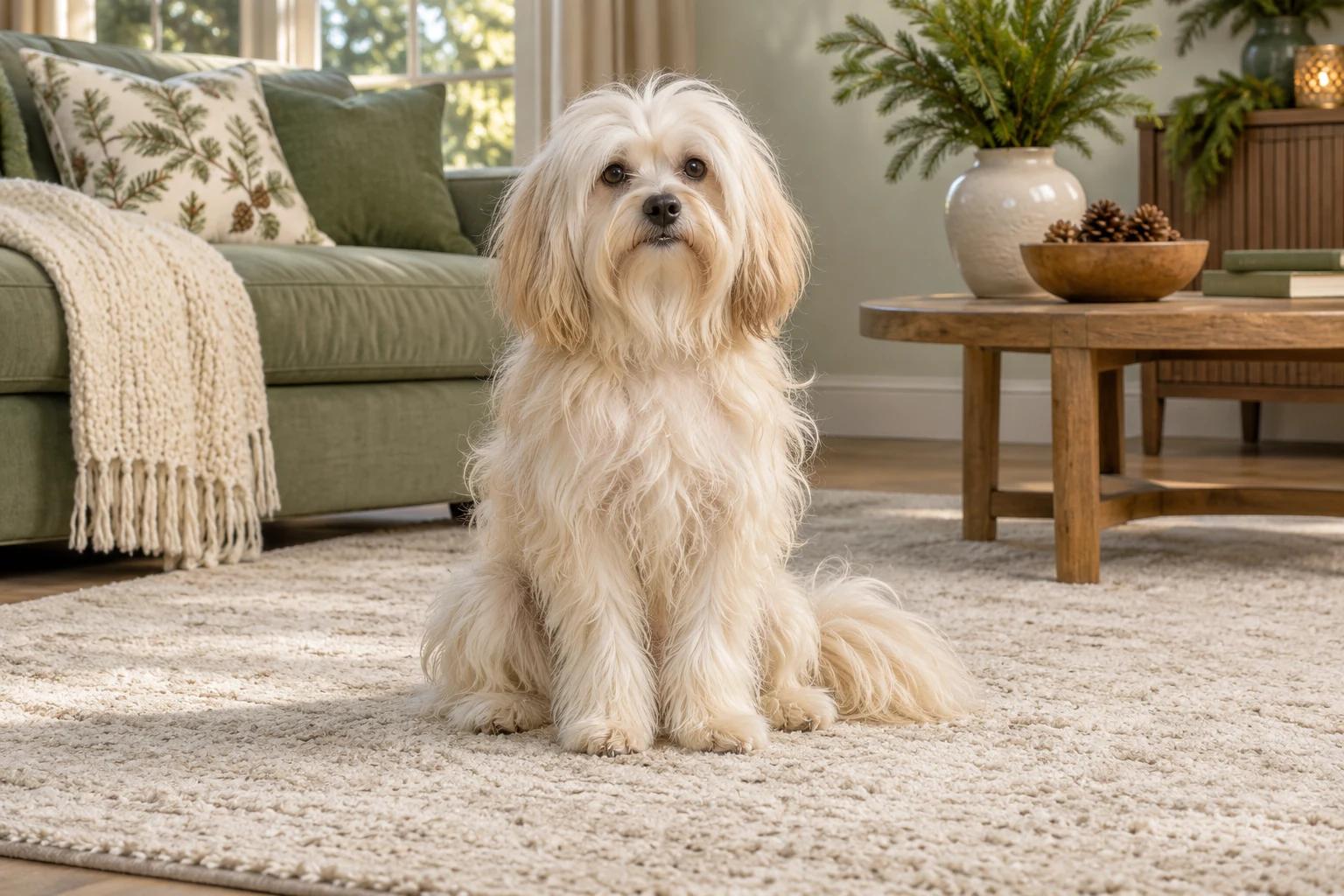
A Lowchen vs Havanese comparison starts with a considerable overlap: two small companion breeds whose coats can steal the conversation. Look past the photograph, though, and the useful questions become more specific. How will the dog join your day? What will you teach? Who will provide care when you are away?
Neither a lion-style silhouette nor a flowing coat tells you whether a dog fits your working week. Use breed descriptions to organize the first conversation, then compare actual routines and experiences. The best decision may depend on details that never appear in a breed-ranking list.
Lowchen vs Havanese: what the standards tell you
The AKC Löwchen standard describes a compact, lively companion with an inquisitive, affectionate outlook. The Havanese Club of America standard describes a playful, intelligent companion with a slightly longer-than-tall outline and a characteristic springy gait. These descriptions give each breed a recognizable character without predicting every individual’s behavior.
At a meeting, watch the whole dog rather than concentrating on coat length. Ask to see ordinary movement and relaxed time with the caregiver. A posed image hides how a dog chooses to move around people, responds to an invitation to play or finds a resting place.
The Löwchen profile and Havanese profile offer broader starting points. Read both before making your shortlist, but take the same questions to each meeting. Otherwise, it is easy to notice only the traits you hoped to find.
Decide what companionship means in your home
An interest in people can be appealing, but “companion” needs a practical translation. Do you work in a room where a dog can rest nearby? Are you out at changing times? Does the household enjoy teaching games, or mostly want quiet evenings together?
For a Havanese vs Lowchen decision, write a normal weekday from morning to bedtime. Mark periods when somebody is genuinely available, not merely in the same building. A person on back-to-back calls cannot automatically provide an outing or handle every interruption.
Ask the current caregiver how the dog spends quiet periods and what happens when household members leave. Request examples from recent ordinary days. “Likes company” leaves too much unexplained; “rests in the kitchen while I work in the next room” gives you something concrete to discuss.
Then consider transitions. A dog accustomed to several people coming and going may face a different experience in a single-person household. That is a planning question, not necessarily a reason to reject the match. Arrange support before bringing the dog home rather than waiting for the first difficult workday.
Compare grooming commitments without choosing by haircut
The Löwchen’s distinctive presentation and the Havanese’s abundant coat can create very different first impressions. A practical pet style may reduce that visual contrast. Ask a groomer what the actual coat and chosen style will require, instead of assuming the more elaborate photograph always means the harder household routine.
Bring a picture of the finish you like, then ask three practical questions: what will I do at home, what equipment will I need, and what will you handle at appointments? Ask for a demonstration of the at-home part. A verbal instruction to brush is less useful than seeing how the coat is checked beneath the surface.
Consider your available space too. Where will the dog stand or rest while you work? Can supplies be stored out of reach but close enough to use easily? A small, consistent grooming station may be more useful than an impressive collection of tools scattered through cupboards.
For detailed discussion of the Löwchen’s presentation, see planning a grooming appointment beyond the lion outline. Keep that conversation separate from the broader question of which companion fits your day.
Make learning part of your comparison
Both breed descriptions leave room for a dog that enjoys interaction and learning. Do not turn that into an expectation of effortless manners. A dog still needs to learn which doorway to use, where to rest and what your household’s words mean.
Ask what the prospective dog already knows and have the caregiver demonstrate a familiar cue. Notice the reward, gesture and setting, not just the result. If you use a different word or hand movement at home, the dog has a new lesson to learn.
You might prefer a companion for simple trick practice, or want everyday skills to support visits and travel. Describe the activities you actually intend to do. An interest in a future sport is useful context, but it should not replace a workable first-month plan for ordinary care.
A good comparison also includes your own learning. If you have never maintained a long coat or taught a dog to settle while you work, identify who can show you. The availability of a suitable groomer, class or experienced caregiver can influence the practicality of either choice.
Look closely at the home beyond its floor area
When deciding between a Lowchen or Havanese, the size of the apartment is only one consideration. Map the route from the resting area to the outside. Think about lifts, stairs, narrow entrances, delivery traffic and places where you cannot easily step aside.
Ask how the dog responds to similar surroundings. A dog familiar with a quiet garden may need a different introduction to a shared entrance than one already living in a busy building. Do not deliberately provoke a reaction during a visit. Use the caregiver’s observations and ordinary events to understand the starting point.
Also plan where the dog can be undisturbed. A resting spot in the middle of every household route may be convenient to look at but difficult to leave alone. Choose a location that makes calm daily life possible without constant instructions from you.
Use a shortlist, not a winner’s podium
The difference between Lowchen and Havanese ownership is best explored through three headings: daily company, hands-on care and activities you will share. Under each, record what you know about the individual and what you still need to ask.
If your list contains mostly unknowns, pause the decision rather than filling them with assumptions. The dog match quiz can help clarify your priorities. A useful final choice is not “the better breed.” It is a dog whose needs you understand well enough to make a realistic plan.
FAQ
Is a Löwchen the same as a Havanese with a different trim?
No. Löwchen and Havanese are distinct breeds with their own standards and backgrounds. A similar pet haircut can obscure visual differences, but grooming does not change breed identity or tell you everything about an individual’s temperament.
Which breed should I choose if I work from home?
Working from home can make shared time easier, but look at when you can actually give attention and provide outings. Ask about the individual dog’s quiet-time routine and plan care for meetings, errands and days away.
Does either breed come naturally trained?
No breed arrives knowing a new household’s rules. Ask which cues and routines the dog already understands, learn how they are used and introduce your own expectations clearly. An appealing breed description is not a substitute for teaching.
Sources behind this article
Article source checked: November 15, 2026. Source checked 2026-11-15
Keep reading

Affenpinscher vs Brussels Griffon: Everyday Differences
Read article →